Overview
Visual schedules are powerful tools for families, especially those navigating the challenges of supporting children with behavioral or developmental needs. By providing clear, visual cues, these schedules help kids understand daily routines, reduce anxiety, and foster independence. This guide explores Understanding Visual Schedules: A Guide for Families, incorporating Applied Behavior Analysis strategies for parents and innovative techniques like converting videos into prompts to make schedules engaging and effective.
Why Visual Schedules Matter for Families
For many families, daily routines can feel chaotic, especially when a child struggles with transitions or understanding expectations. Visual schedules bridge this gap by offering a clear, structured way to communicate what comes next. Rooted in Applied Behavior Analysis (ABA), these schedules use visual cues to reinforce positive behaviors and create predictability.
Imagine your child knowing exactly when it’s time for homework, play, or bedtime without constant reminders. Visual schedules make this possible by breaking down tasks into manageable steps, reducing meltdowns and empowering kids to take charge of their day.
The Role of Applied Behavior Analysis in Visual Schedules
Applied Behavior Analysis is a science-backed approach that focuses on understanding and improving behaviors through structured interventions. For parents, ABA offers practical strategies to create visual schedules that work. By using clear visuals, you reinforce desired behaviors, like completing tasks, while minimizing confusion or resistance.
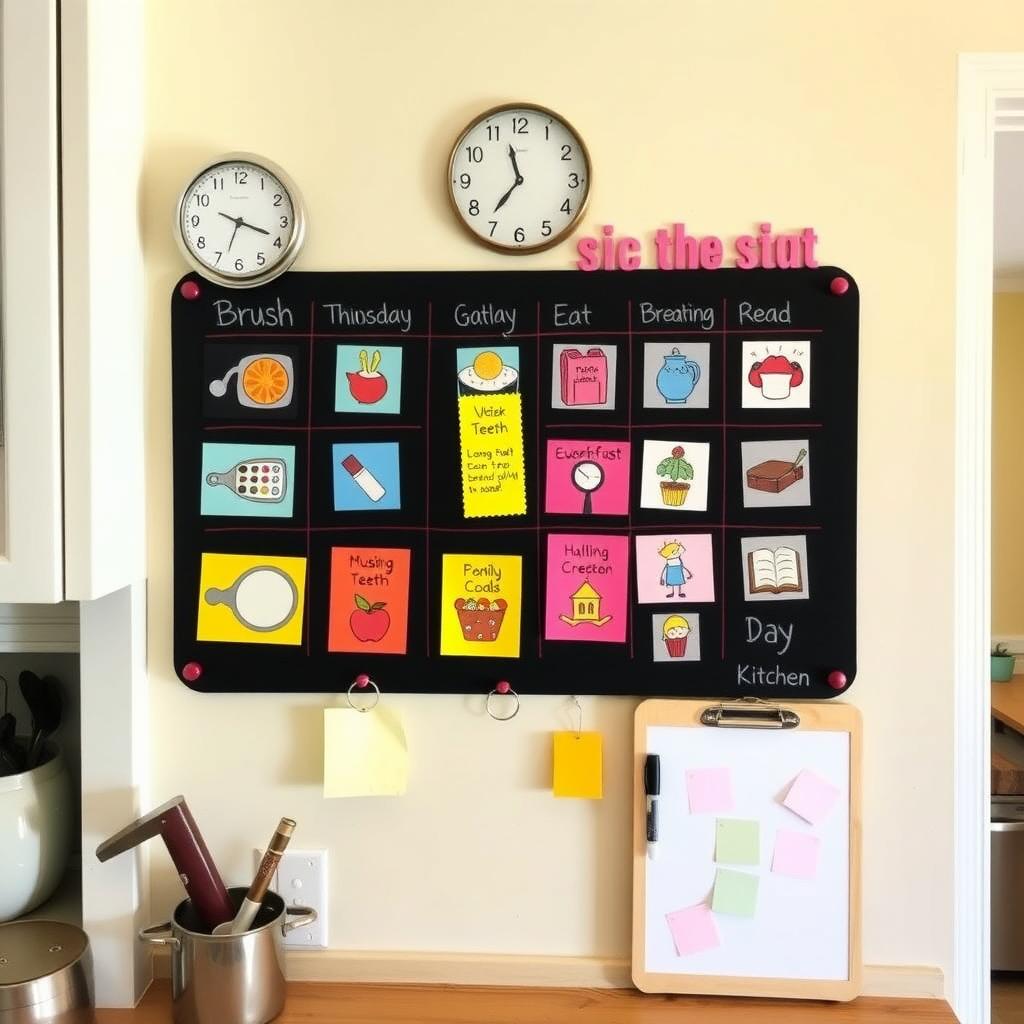
ABA emphasizes consistency and repetition, which are key to making visual schedules effective. For example, a child who struggles with morning routines might benefit from a schedule showing pictures of waking up, brushing teeth, and getting dressed. Over time, these cues help the child internalize the routine, building confidence and independence.
Steps to Create an Effective Visual Schedule
Creating a visual schedule doesn’t have to be complicated. Here’s a step-by-step guide to get started:
- Identify Key Activities: List your child’s daily tasks, like meals, schoolwork, or bedtime routines. Focus on activities that need structure or cause challenges.
- Choose Visuals: Use pictures, icons, or even real photos for younger kids or those with developmental needs. Make sure visuals are clear and age-appropriate.
- Organize the Schedule: Arrange tasks in a logical order, either on a poster, whiteboard, or digital app. Keep it simple and visible.
- Involve Your Child: Let your child help create or customize the schedule. This builds ownership and makes them more likely to follow it.
- Review and Adjust: Check in weekly to see what’s working. Adjust as needed to keep the schedule relevant.
By following these steps, you’re applying Applied Behavior Analysis strategies for parents to create a tool that supports your child’s growth and your family’s harmony.
Incorporating Technology: Videos as Visual Prompts
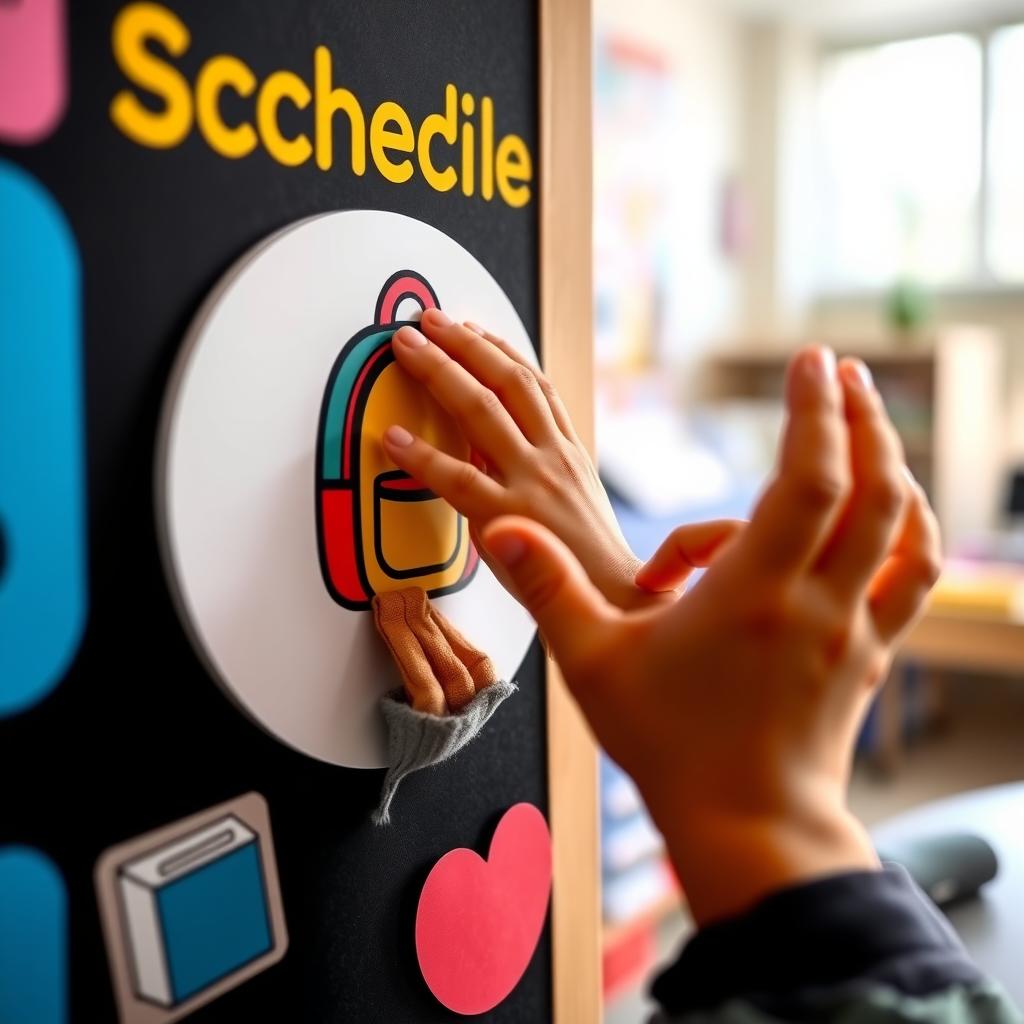
Technology can take visual schedules to the next level. One innovative approach is converting videos into prompts to make schedules more engaging. For example, a short video of a child brushing their teeth can serve as a dynamic visual cue, especially for kids who respond better to motion or sound.
To create these prompts, record a simple video of the task, then edit it into a short, clear clip. Tools like those described in this guide on converting videos to prompts can help you transform raw footage into concise, effective prompts. These can be embedded in digital schedules or played on a tablet during transitions, making the process fun and interactive.
Benefits of Visual Schedules in Family Therapy
Visual schedules aren’t just for kids—they’re a cornerstone of family therapy. When everyone in the household understands the day’s flow, communication improves, and stress decreases. For families using behavioral therapy, visual schedules align with ABA principles by providing consistent cues that reinforce positive habits.
For instance, a family dealing with a child’s meltdowns during bedtime might use a visual schedule to outline steps like bath, pajamas, and storytime. Over time, this structure reduces anxiety and builds trust. Parents report feeling more in control, and kids gain a sense of accomplishment from completing tasks independently.
Common Challenges and Solutions
While visual schedules are effective, they’re not without challenges. Here are some common issues and how to address them:
| Challenge | Solution |
|---|---|
| Child ignores the schedule | Make it interactive with colors, stickers, or videos. Involve them in the design. |
| Schedule feels overwhelming | Start with just a few tasks and gradually add more. |
| Resistance to transitions | Use timers or verbal cues alongside visuals to ease transitions. |
| Lack of consistency | Set a routine for checking and updating the schedule daily. |
By troubleshooting these issues, you can ensure the schedule remains a helpful tool for your family.

Making Schedules Fun and Engaging
Kids are more likely to use a visual schedule if it feels like a game. Try these ideas to keep it exciting: - Use Themes: Create a superhero or animal-themed schedule to match your child’s interests. - Add Rewards: Offer small rewards, like stickers, for completing tasks. - Incorporate Videos: As mentioned earlier, video prompts can make tasks like getting ready for school feel like an adventure. Check out this resource for tips on creating video prompts. - Celebrate Success: Praise your child for following the schedule, reinforcing positive behavior.
These strategies align with Applied Behavior Analysis, making learning fun while promoting growth.
Real-Life Success Stories
I’ve seen firsthand how visual schedules transform family dynamics. Take Sarah, a mom of a 7-year-old with autism. She struggled with morning chaos until she introduced a visual schedule with pictures and video prompts. Within weeks, her son was dressing himself and packing his backpack without tantrums. Another parent, Mike, used a digital schedule with video cues to help his daughter transition to bedtime. These stories show how Understanding Visual Schedules: A Guide for Families can make a real difference.
Summary
Visual schedules are a game-changer for families, offering structure and clarity for kids while reducing stress for parents. By using Applied Behavior Analysis strategies for parents, incorporating video prompts, and keeping schedules engaging, you can foster independence and harmony at home. Start small, stay consistent, and watch your child thrive with this powerful tool.

Discuss Here