Overview
The Job Accommodation Network: Practical Solutions for Workplace Success (https://askjan.org) is a game-changer for employees and employers navigating workplace accommodations. This free service, funded by the U.S. Department of Labor, provides expert guidance on the Americans with Disabilities Act (ADA) and practical solutions to ensure everyone can thrive at work. Whether you're an employee seeking accommodations or an employer aiming to foster inclusivity, JAN offers tailored resources to make workplaces accessible and productive.
What is the Job Accommodation Network?
The Job Accommodation Network (JAN) is a vital resource for understanding and implementing workplace accommodations. Established in 1983, JAN provides free, confidential consultations to employees, employers, and HR professionals. Its mission is to help people with disabilities succeed in their jobs while assisting employers in creating inclusive environments. By offering personalized advice, JAN bridges the gap between legal requirements and real-world solutions.
JAN’s website, Job Accommodation Network: Practical Solutions for Workplace Success (https://askjan.org), is a treasure trove of information. From guides on specific disabilities to templates for requesting accommodations, it’s designed to empower users with clear, actionable steps. For example, JAN helped a friend of mine, Sarah, who has chronic migraines. She used JAN’s resources to propose a flexible work schedule, which her employer approved after a smooth conversation.

Your Guide to the ADA and Employee Rights
The Americans with Disabilities Act (ADA) is a cornerstone of workplace accessibility. Enacted in 1990, it prohibits discrimination against individuals with disabilities and mandates reasonable accommodations. But what does this mean for you? Your Guide to the ADA and Employee Rights starts with understanding that accommodations are adjustments that allow employees to perform their job duties effectively.
JAN clarifies ADA requirements in plain language. For instance, accommodations might include modified schedules, assistive technology, or ergonomic workstations. According to the U.S. Equal Employment Opportunity Commission (EEOC), nearly 60% of accommodation requests cost employers nothing, and most others cost less than $500. JAN’s consultants can suggest low-cost solutions tailored to specific needs, ensuring compliance without breaking the bank.
I’ve seen this in action. A colleague with a hearing impairment used JAN’s guidance to request real-time captioning software for meetings. The solution was affordable and transformed her ability to participate fully.
Understanding Your Legal Rights for Workplace Accommodations
Knowing your rights is empowering, but it can feel overwhelming. Understanding Your Legal Rights for Workplace Accommodations means recognizing that the ADA protects you from discrimination and ensures access to reasonable accommodations. JAN’s resources break down complex legal terms into practical advice. For example, employees aren’t required to disclose their full medical history—just enough to justify the accommodation.
JAN offers tools like sample accommodation request letters and scripts for discussing needs with employers. These resources are invaluable for employees who feel nervous about initiating the conversation. The U.S. Department of Labor’s Office of Disability Employment Policy (ODEP) emphasizes that clear communication is key to successful accommodations, and JAN’s templates make this process smoother.
How to Talk to Your Employer About Health Accommodations
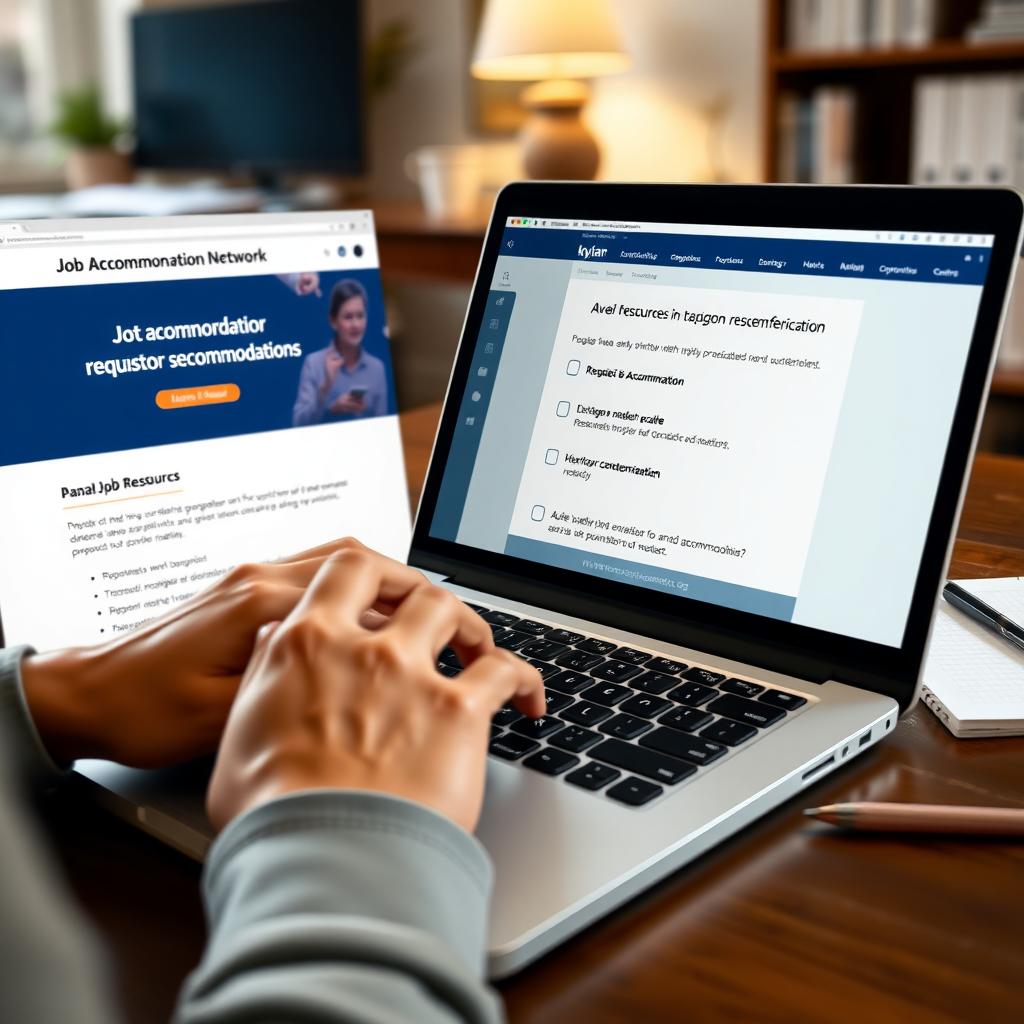
Talking about health needs can feel daunting, but How to Talk to Your Employer About Health Accommodations doesn’t have to be stressful. JAN provides a step-by-step approach to make these conversations productive. Here’s a simple process based on their guidance:
- Identify Your Needs: Pinpoint what accommodations would help you succeed. For example, if fatigue is an issue, a modified schedule might help.
- Research Solutions: Use JAN’s database to find practical ideas. Their A to Z disability list offers tailored suggestions.
- Prepare Your Request: Write a clear, concise letter or email outlining your needs and proposed solutions.
- Schedule a Meeting: Request a private conversation with your supervisor or HR to discuss your needs.
- Follow Up: Document agreements and stay in touch to ensure the accommodations work.
When I advised a friend, Mark, on requesting accommodations for his anxiety, JAN’s scripts helped him approach his boss confidently. The result? A quiet workspace and occasional remote work days, which made a huge difference.
Effective Strategies for Balancing Work and Health
Balancing work and health is a challenge many face, and Effective Strategies for Balancing Work and Health can make all the difference. JAN’s resources emphasize proactive planning. Here are some strategies they recommend:
- Leverage Technology: Tools like speech-to-text software or adjustable desks can enhance productivity.
- Set Boundaries: Clear work-life boundaries, like designated breaks, help manage stress.
- Communicate Regularly: Check in with your employer to adjust accommodations as needed.
A study from the National Institute for Occupational Safety and Health (NIOSH) shows that workplace accommodations improve job satisfaction and retention. JAN’s case studies highlight real examples, like an employee with diabetes who used a flexible break schedule to manage blood sugar levels, boosting both health and performance.

Why JAN Stands Out
What makes JAN unique is its personalized, human-centered approach. Unlike generic HR guides, JAN offers one-on-one consultations, free of charge. Their team includes experts in disability law, workplace policies, and assistive technology. They also provide training for employers, helping them understand the benefits of inclusive practices.
For example, JAN helped a small business owner I know implement accommodations for an employee with autism. The solution—noise-canceling headphones and a structured schedule—cost less than $100 and improved the employee’s focus and morale. This kind of tailored advice is why JAN is a trusted resource for millions.
Summary
The Job Accommodation Network: Practical Solutions for Workplace Success (https://askjan.org) is an essential tool for creating inclusive, productive workplaces. By offering free, expert guidance on ADA rights, accommodation strategies, and communication tips, JAN empowers both employees and employers. Whether you’re navigating health challenges or building an accessible workplace, JAN’s resources make success achievable. Explore their website, use their tools, and take the first step toward a more inclusive work environment.

Discuss Here