Overview: Finding Calm in the Chaos
Busy family life can feel like a whirlwind—school runs, work deadlines, and extracurricular activities leave little room for peace. Yet, The Mindful Family: How to Stay Present and Connected starts with small, intentional steps. These 5 Simple Mindfulness Exercises for Busy Families offer practical ways to weave mindfulness into daily routines, fostering family wellness and creating moments of calm amidst the storm.
Why Mindfulness Matters for Families
Mindfulness is about being fully present in the moment, aware of your thoughts, feelings, and surroundings without judgment. For families, it’s a tool to strengthen bonds, reduce stress, and improve emotional health. According to a study from Harvard Medical School, mindfulness practices can lower anxiety and enhance focus, benefits that extend to both parents and kids. By practicing together, families build resilience and create shared moments of connection.
The beauty of these exercises lies in their simplicity. They don’t require hours of free time or special equipment—just a willingness to pause and be present. Below, we explore five mindfulness practices tailored for busy families, including tai chi for family wellness and longevity, to help you stay grounded and connected.
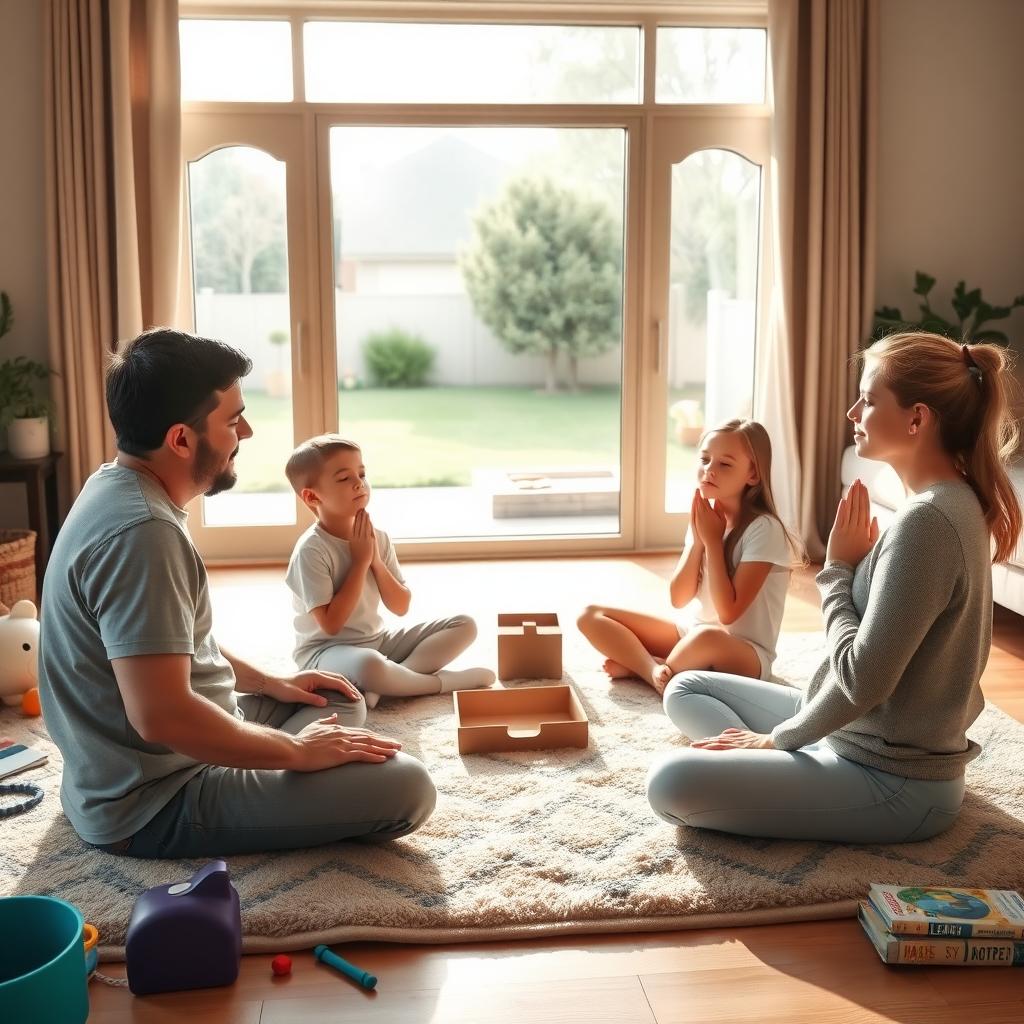
1. Family Breathing Circle
What It Is: A simple group breathing exercise to calm the mind and body.
How to Do It: Gather in a circle, either sitting on the floor or in chairs. Each person takes a deep breath in through the nose for four seconds, holds for four, then exhales slowly through the mouth for six. Do this for 3-5 rounds. Encourage everyone to notice the air moving in and out.
Why It Works: Deep breathing activates the body’s relaxation response, reducing stress hormones. A study from the National Institutes of Health shows that breath-focused practices improve emotional regulation in both kids and adults.
Personal Insight: When my family tried this, my 10-year-old son initially giggled through the first round. By the third, he was focused, and we all felt calmer. It’s now our go-to after a hectic day.
2. Gratitude Jar
What It Is: A creative way to share positivity and reflect on the day.
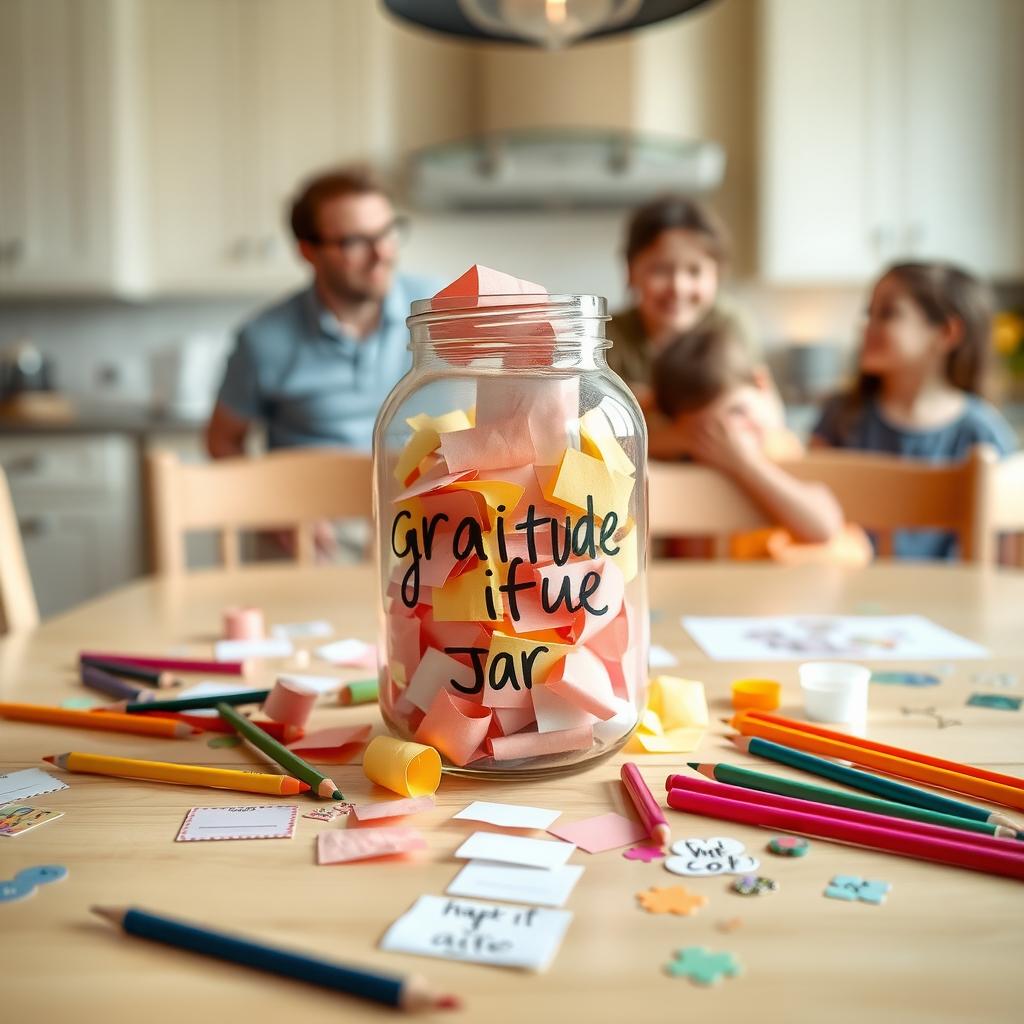
How to Do It: Keep a jar and small slips of paper on the kitchen counter. Each evening, everyone writes one thing they’re grateful for and adds it to the jar. Once a week, read the notes aloud together.
Why It Works: Gratitude shifts focus to positive moments, fostering emotional resilience. Research from the Greater Good Science Center at UC Berkeley shows gratitude practices boost family connection and happiness.
Tip: Younger kids can draw pictures instead of writing. My daughter loves decorating her slips with stickers, making it a fun ritual.
3. Mindful Mealtime Moments
What It Is: A practice to make meals a time for presence and connection.
How to Do It: Before eating, pause for 30 seconds to notice the food’s colors, smells, and textures. Share one observation each. Eat the first bite slowly, savoring the flavors.
Why It Works: This practice grounds everyone in the present, turning a routine activity into a shared experience. It also encourages healthy eating habits.
Personal Insight: We started this during dinner, and it transformed our rushed meals into moments of laughter and connection. Even picky eaters got curious about their food!
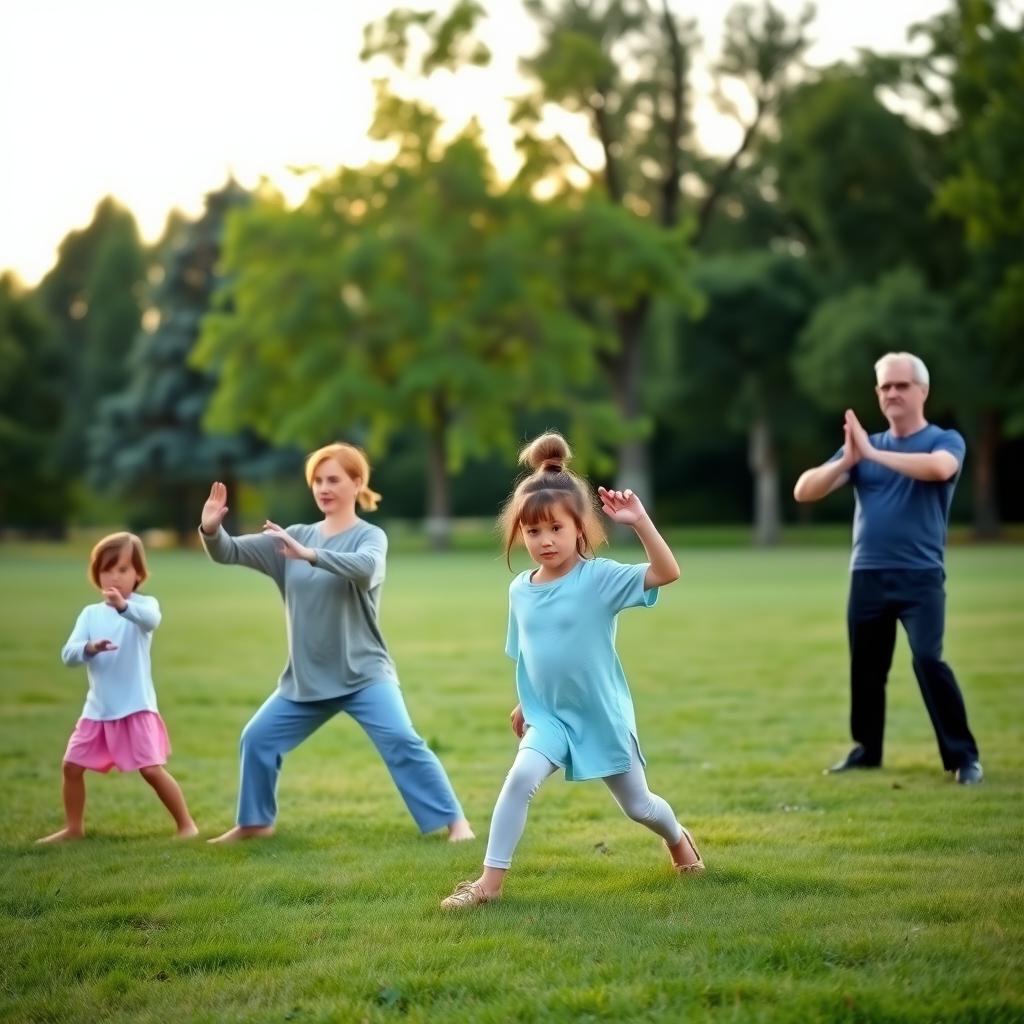
4. Tai Chi for Family Wellness and Longevity
What It Is: A gentle movement practice combining slow, flowing motions with mindful breathing.
How to Do It: Find a beginner-friendly tai chi video online (many are free) or join a local class. Practice simple moves like “Wave Hands Like Clouds” for 5-10 minutes in the backyard or living room. Focus on moving together in sync.
Why It Works: Tai chi improves balance, reduces stress, and promotes physical health. A study from the Mayo Clinic highlights its benefits for mental clarity and family bonding.
Personal Insight: My family tried a 10-minute tai chi session, and the kids loved pretending they were “water flowing.” It’s now a weekend favorite, leaving us energized yet calm.
5. Five Senses Scavenger Hunt
What It Is: A playful outdoor activity to engage all senses.
How to Do It: Go to a park or backyard. Each family member finds something they can see, hear, touch, smell, and (if safe) taste. Share findings in a group huddle. For example, “I see a red leaf, hear birds chirping, touch soft grass, smell flowers, and taste a mint leaf.”
Why It Works: This exercise sharpens awareness and encourages curiosity. It’s perfect for kids who love exploration and helps everyone slow down.
Tip: Set a 10-minute timer to keep it quick. We did this during a walk, and it turned a mundane outing into a treasure hunt!
Tips for Making Mindfulness a Family Habit
- Start Small: Begin with one exercise, like the breathing circle, for a week before adding another.
- Be Flexible: If evenings are chaotic, try mornings or weekends.
- Make It Fun: Let kids lead an exercise or add music to tai chi.
- Celebrate Efforts: Praise everyone’s participation, not perfection.
Mindfulness Practices for Family Wellness don’t need to be complex. The key is consistency and shared intention. Over time, these moments build stronger connections and a calmer household.
Overcoming Common Challenges
Busy schedules can make mindfulness feel like another task. Here’s how to address hurdles:
| Challenge | Solution |
|---|---|
| No time | Pick one 5-minute exercise, like the breathing circle, during breakfast. |
| Kids resist | Make it playful—turn gratitude into a game or tai chi into a dance. |
| Parents feel overwhelmed | Practice self-compassion; even one mindful moment counts. |
My family struggled with consistency at first. We found setting a phone reminder for our gratitude jar helped us stay on track.
Summary: Building a Mindful Family
The Mindful Family: How to Stay Present and Connected is about creating small, meaningful moments amidst busy lives. These 5 Simple Mindfulness Exercises for Busy Families—from breathing circles to tai chi for family wellness and longevity—offer practical ways to reduce stress and strengthen bonds. Start with one, adapt it to your family’s rhythm, and watch mindfulness transform your daily life.

Discuss Here