Overview: The Unsung Heroes of Healthcare
Community health workers (CHWs) are the heartbeat of many communities, quietly transforming lives every day. They bridge gaps in healthcare, connect people to resources, and advocate for those who need it most. This article dives into how community health workers improve lives daily, sharing real stories of change and their critical role in ensuring access to care and promoting health equity.
What Community Health Workers Do
Community health workers are trusted members of the neighborhoods they serve. They’re not doctors or nurses, but they’re often the first point of contact for people seeking healthcare. They help families navigate complex medical systems, provide education on healthy habits, and offer emotional support. From rural villages to urban centers, CHWs meet people where they are—literally and figuratively.
Their role is diverse. One day, they might help a mother schedule a doctor’s appointment; the next, they’re teaching a group about diabetes prevention. They often speak the local language, understand cultural nuances, and build trust in ways traditional healthcare providers sometimes can’t. According to the World Health Organization, CHWs are vital in improving health outcomes in underserved areas, where access to care is limited.
Bridging Gaps in Access to Care
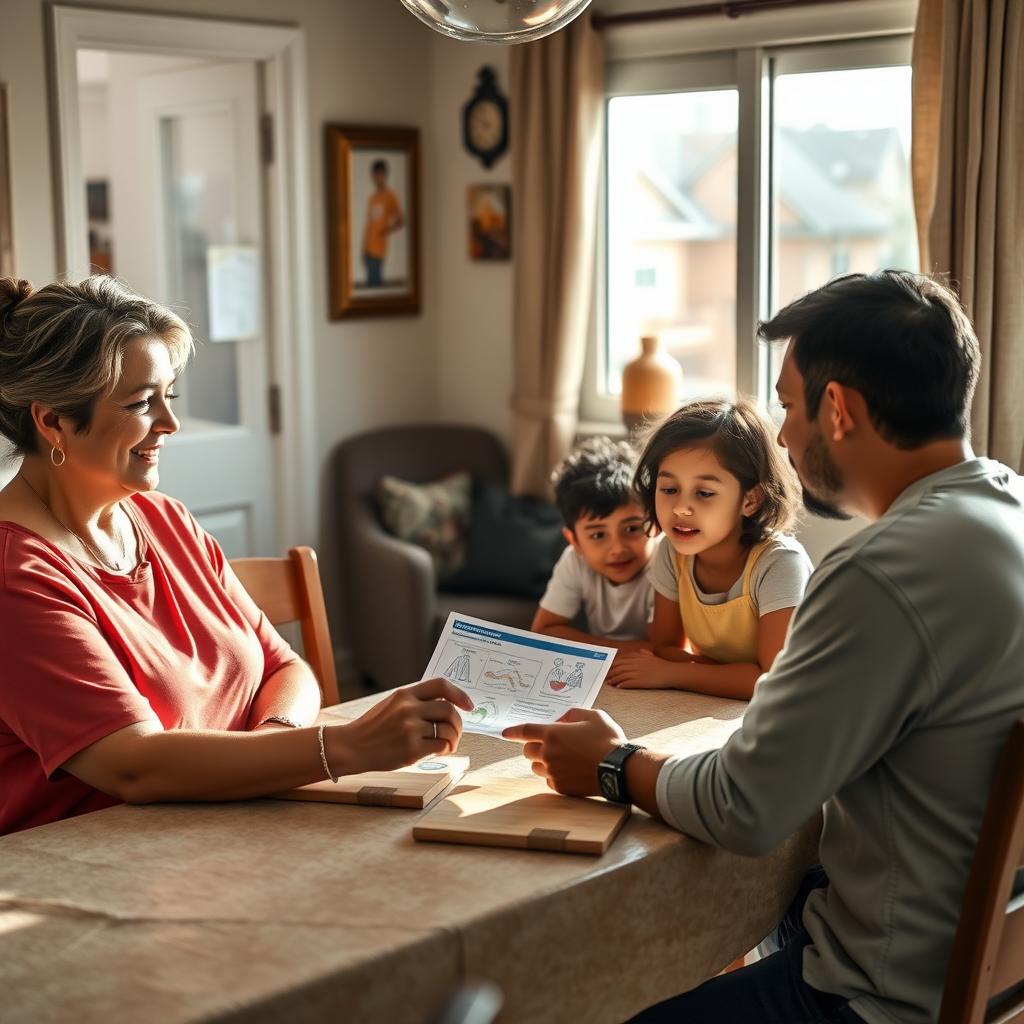
The role of community health workers in access to care cannot be overstated. Many people, especially in low-income or rural areas, face barriers like transportation, language, or lack of insurance. CHWs step in to solve these problems. For example, they might arrange free rides to clinics, translate medical terms, or help enroll someone in a health program.
Take Maria, a CHW in a rural Texas community. She noticed that many elderly residents weren’t getting their prescriptions filled because the nearest pharmacy was 20 miles away. Maria worked with a local nonprofit to set up a mobile pharmacy service. Now, medications are delivered directly to those who need them. Stories like this show how CHWs make healthcare reachable for everyone.
Promoting Health Equity
Health equity means everyone has a fair shot at living a healthy life, no matter their background. CHWs are champions of this idea. They focus on underserved groups—think low-income families, immigrants, or minority communities—who often face systemic barriers. By addressing these inequities, CHWs help level the playing field.
For instance, in Chicago, CHWs have been key in tackling racial disparities in maternal health. They provide prenatal education, connect expectant mothers to clinics, and follow up after delivery. A study from the University of Chicago found that CHW programs reduced preterm births by 7% in targeted communities. This is health equity in action—real, measurable change.
Community Health Success: Real Stories of Change
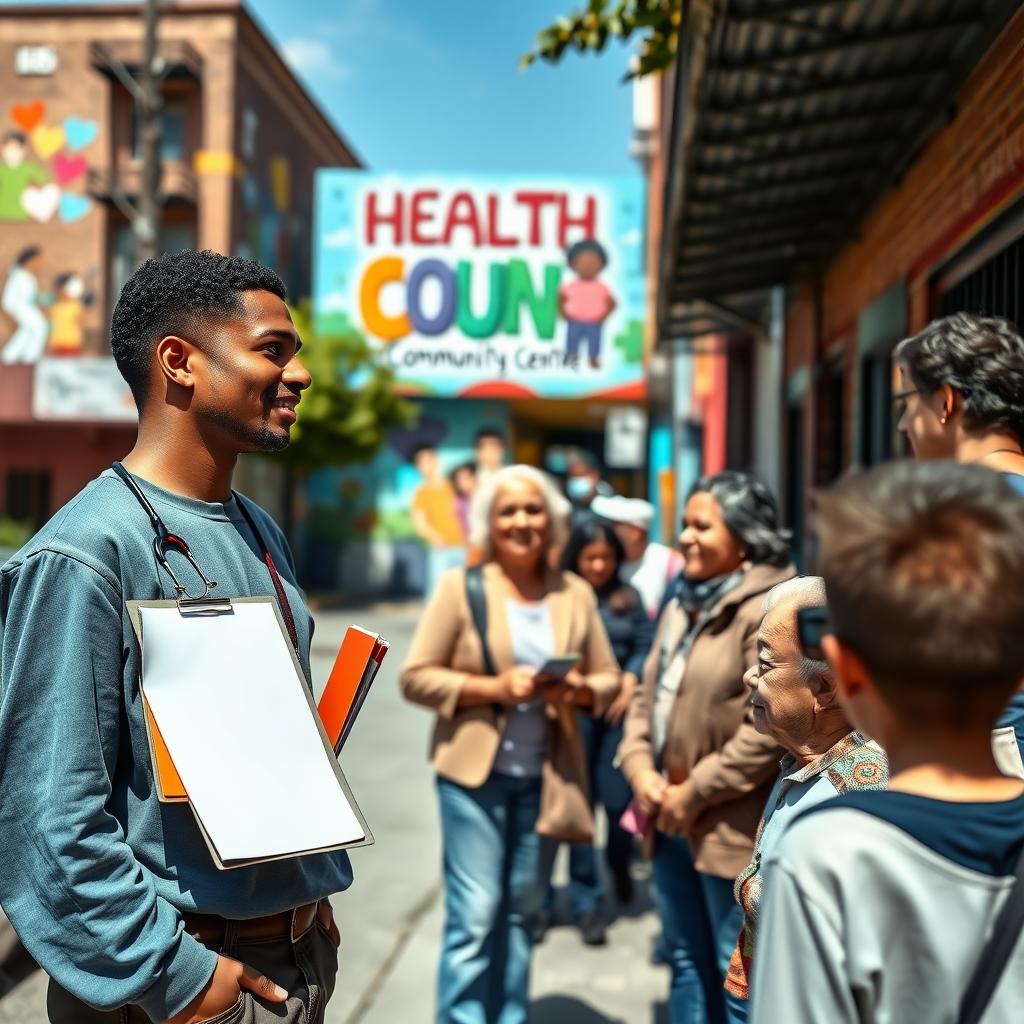
Let’s look at some real stories that show the impact of CHWs. In a small town in Kenya, a CHW named Amina changed lives by teaching families about clean water practices. She noticed many children were getting sick from contaminated water. Amina organized workshops and worked with local leaders to install water filters. Within a year, hospital visits for waterborne illnesses dropped by 30%, according to local health records.
Closer to home, in Detroit, a CHW named James helped a man named Robert manage his diabetes. Robert had struggled to afford his medication and didn’t understand his treatment plan. James sat with him, explained the disease in simple terms, and connected him to a free clinic. Today, Robert’s health is stable, and he calls James his “health coach.” These stories highlight how CHWs don’t just provide services—they build trust and hope.
How CHWs Empower Communities
CHWs do more than solve immediate problems; they empower people to take control of their health. They teach skills like reading nutrition labels, managing stress, or recognizing warning signs of illness. This education creates lasting change. For example, in India, CHWs trained women to monitor their blood pressure at home, reducing heart disease risks in their villages, as noted in a report by the Indian Ministry of Health.
CHWs also strengthen community ties. They organize health fairs, support groups, and wellness programs. These efforts bring neighbors together, creating a sense of shared responsibility for health. When people feel supported, they’re more likely to make healthy choices.
Challenges CHWs Face
Being a CHW isn’t easy. They often work long hours for low pay, and many lack formal recognition in healthcare systems. Funding for CHW programs can be inconsistent, limiting their reach. Despite these challenges, their impact is undeniable. Supporting CHWs with better training, fair wages, and policy backing could amplify their work even more.
For example, a CDC report highlights that CHW programs with stable funding see 20% better health outcomes than underfunded ones. Investing in CHWs is investing in healthier communities.
Why CHWs Matter Now More Than Ever
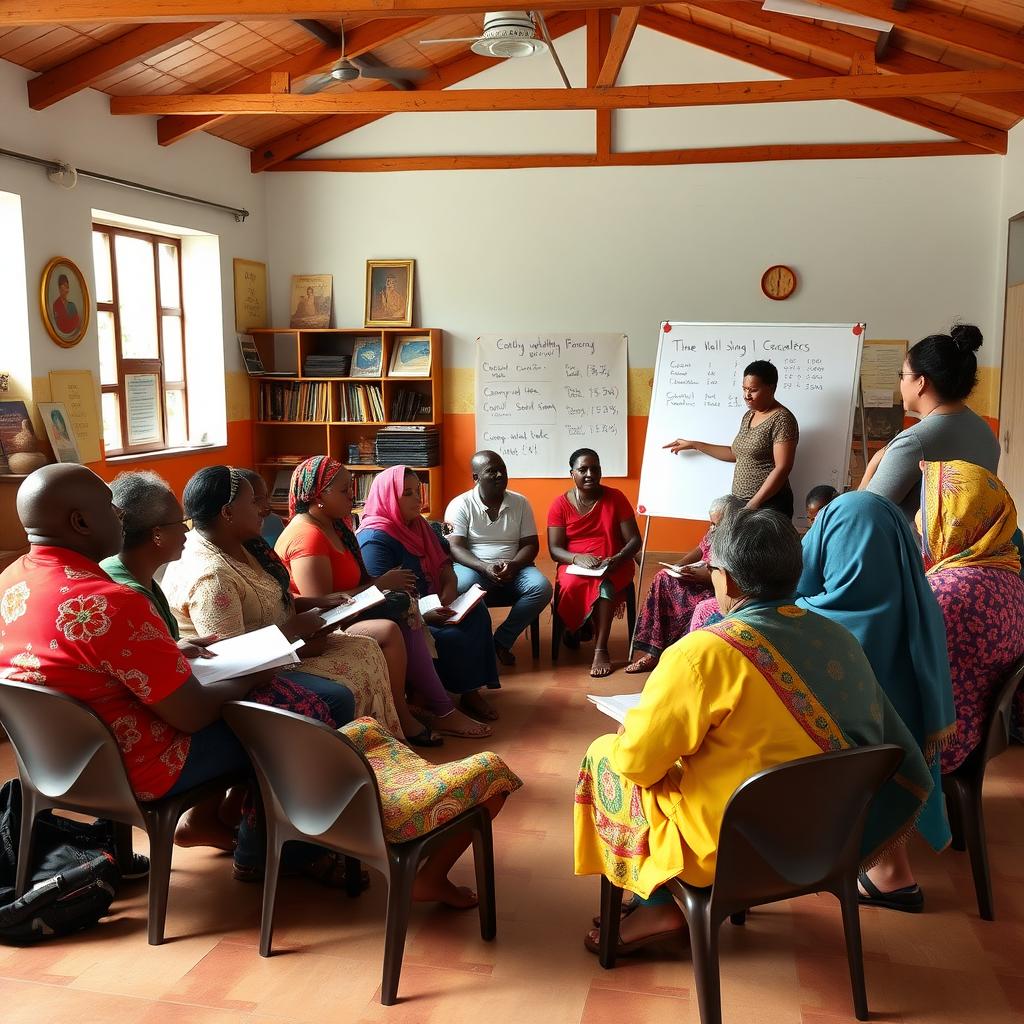
In today’s world, with rising healthcare costs and growing inequities, CHWs are more vital than ever. They offer a cost-effective way to improve health outcomes. For every dollar spent on CHW programs, communities can save up to $3 in healthcare costs, according to the American Public Health Association. They’re also key in addressing public health crises, like pandemics or chronic disease spikes, by spreading accurate information and resources.
CHWs remind us that healthcare isn’t just about hospitals or doctors—it’s about people helping people. Their work builds stronger, healthier communities, one conversation at a time.
Summary: A Force for Good
Community health workers improve lives daily by making healthcare accessible, promoting health equity, and empowering communities. Through personal connections and practical solutions, they tackle barriers and create lasting change. Their stories of impact, from rural Kenya to urban Detroit, show the power of compassion and action. Supporting CHWs means building a healthier, fairer world for everyone.

Discuss Here