A Quick Overview
Community Health Workers (CHWs) serve as vital links between communities and healthcare systems. Trusted locals who understand cultural nuances, they help bridge gaps in care, especially in underserved areas. Backed by the CDC, CHWs boost access to services, improve health outcomes, and foster lasting change—all while keeping things simple and personal. (38 words)
Understanding Community Health Workers
Imagine a neighbor who knows your street, your family struggles, and the best clinic nearby. That's a Community Health Worker in action. These frontline heroes live in the communities they serve. They speak the language—literally and figuratively—and build trust that doctors in white coats often can't.
The CDC defines CHWs as public health pros who connect people to resources. They tackle everything from chronic diseases to preventive checkups. No fancy degrees needed; their power comes from lived experience.
Why does this matter? In rural towns or urban pockets where poverty lingers, folks skip doctor visits. Transportation fails, costs scare, or mistrust blocks the door. CHWs step in, making 'Access to Care' feel real, not remote.
The Role of Community Health Workers in Access to Care
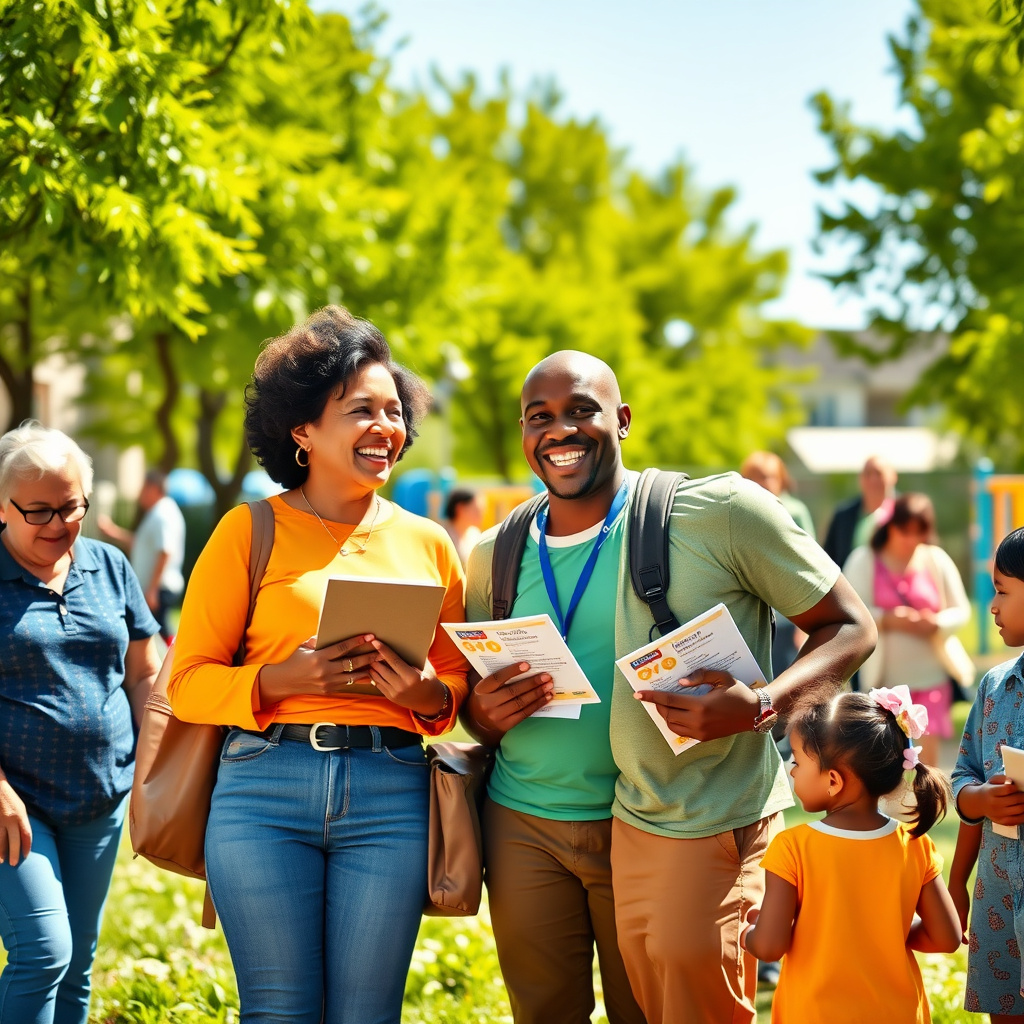
Let's talk specifics. The role of community health workers in access to care shines brightest in everyday barriers. They schedule rides to appointments. They explain Medicaid in plain talk. They remind you about that blood pressure pill you forgot.
According to CDC resources, CHWs cut hospital readmissions by linking patients to home supports. One study shows they boost vaccination rates by 20% in hard-to-reach groups. It's not magic—it's persistence.
Consider this list of key ways CHWs open doors:
- Outreach and Education: Door-to-door chats on diabetes prevention.
- Navigation Support: Guiding through insurance mazes.
- Follow-Up Care: Phone calls post-visit to check progress.
- Cultural Bridging: Translating health advice into local customs.
These steps turn 'I can't' into 'I will.'
| Benefit | Impact Example |
|---|---|
| Reduced ER Visits | 15% drop in chronic disease flares (CDC data) |
| Better Medication Adherence | 25% increase in consistent use |
| Cost Savings | $1,500 per patient annually |
This table highlights measurable wins. CHWs don't just help one person; they ripple change across blocks.
How Community Health Workers Improve Lives Daily
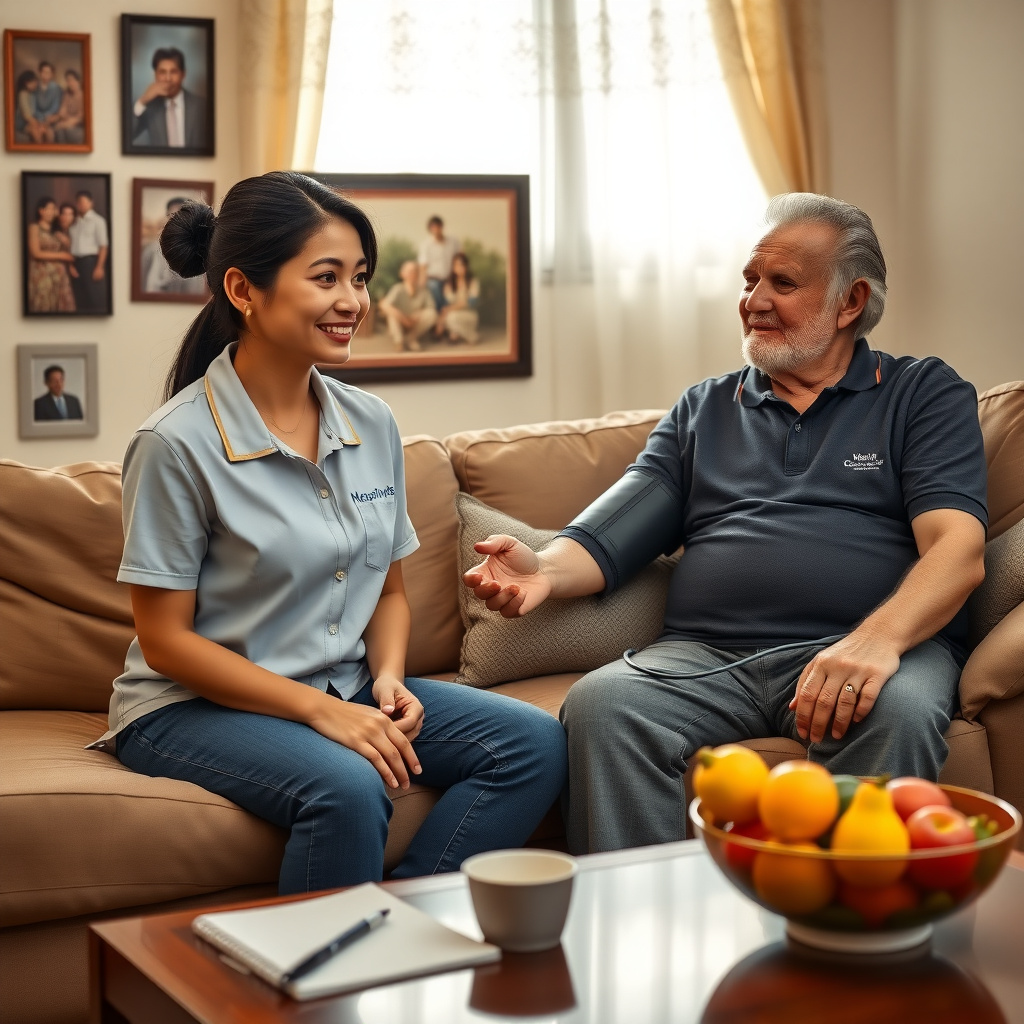
Every day, CHWs weave health into the fabric of life. Take Maria, a mom in a Texas border town. Juggling three jobs, she ignored her high blood sugar. Her CHW, Sofia—a fellow mom from the same streets—noticed during a block party chat.
Sofia walked her through free clinic options. She joined the first visit, translating worries into questions. Months later, Maria's A1C dropped. 'It's like having a sister in health,' she says. Stories like this show how Community Health Workers improve lives daily—not with lectures, but with listening.
In rural Kentucky, CHWs bike to farms, teaching farmers about sun safety amid long harvests. One worker, Jamal, shares his own skin cancer scare to spark checkups. Farmers who once toughed it out now book spots early. These small acts stack up, preventing big crises.
The CDC's COVID response amplified this. Through the Community COVID Response Initiative, CHWs delivered tests and vaccines to immigrant enclaves. They quelled rumors in multiple languages, hiking uptake by 30%. It's proof: When trust leads, access follows.
Community Health Success: Real Stories of Change
Real change sticks because it's personal. Let's dive into Community Health Success: Real Stories of Change.
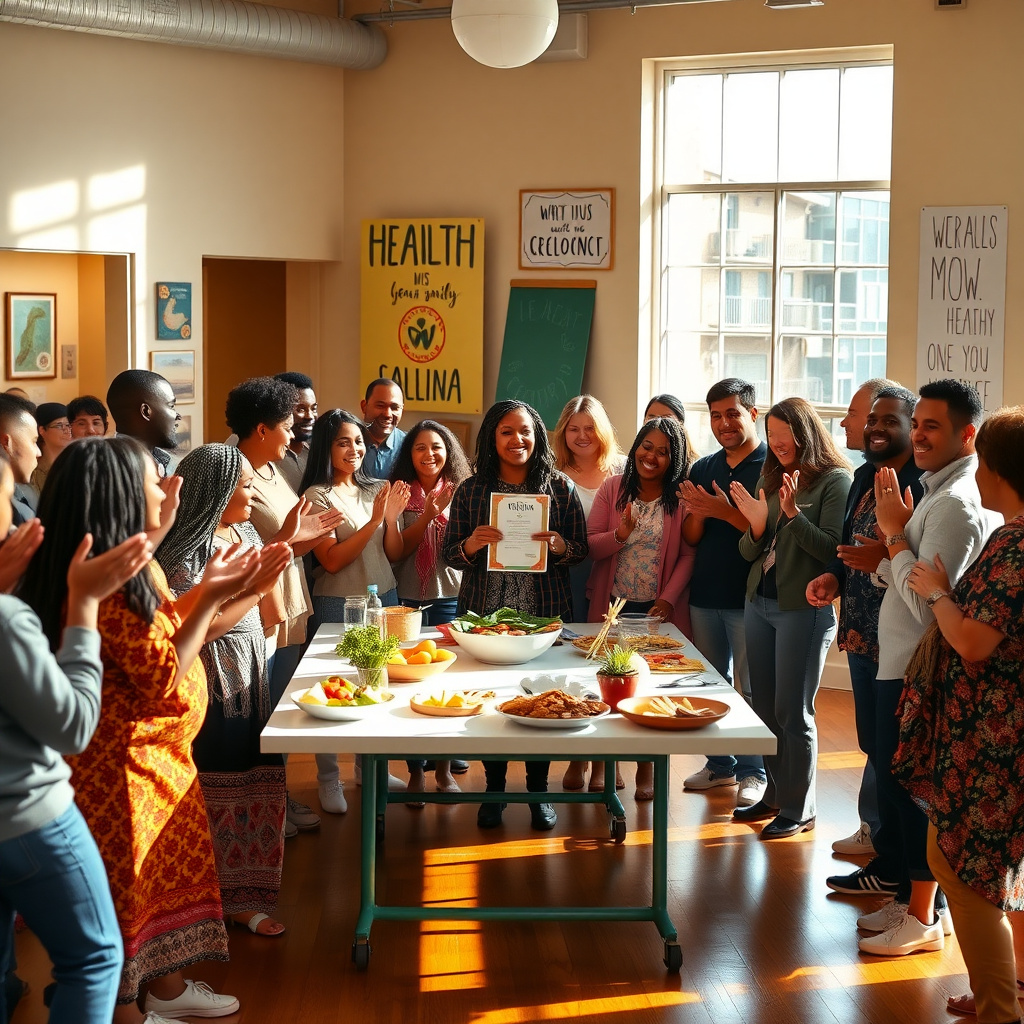
In Atlanta's Vine City, CHW Kendra turned a food desert into a wellness hub. Families faced hypertension from corner store snacks. Kendra partnered with local churches for cooking classes. Participants lost weight, gained energy. One elder, Mr. Johnson, credits her: 'She saw my story, not just my stats.' Now, his block hosts monthly health fairs.
Out west, in New Mexico's pueblos, CHWs blend tradition with modern care. They incorporate Native healing practices into diabetes management, respecting sacred herbs alongside meds. A CDC-backed program here cut amputations by 40%. Tribal leaders say CHWs honor roots while reaching forward.
And in Chicago's South Side, a team of CHWs tackled maternal health disparities. Black moms faced higher preterm births. CHWs offered prenatal yoga in parks, doula support, and bias-training for docs. Birth outcomes improved 18%. As one new mom shared, 'They made me feel seen, not screened.'
These tales aren't outliers. The CDC's Rural Health Success Stories spotlight similar wins: A Montana program where CHWs train elders as peer coaches, slashing isolation-linked depressions. Or Hawaii's island hops, where boat-riding CHWs deliver asthma inhalers to remote shores.
What ties them? CHWs meet people where they are—literally. They share meals, attend funerals, celebrate births. This builds bonds that last beyond one visit.
From my chats with CHWs over coffee (yes, even experts learn from stories), the joy comes from sparks of hope. One told me, 'I don't fix lives; I remind folks they're worth fixing.' That's the heart of it.
Challenges and the Path Forward
It's not all smooth. Funding wavers; training varies. Some areas lack certification paths, leaving CHWs undervalued. Yet, momentum builds. The CDC pushes for integration into teams, with toolkits for states (CDC CHW Resources). Bills in Congress aim to reimburse CHW services, echoing successes in states like Minnesota.
Actionable tip: If you're a leader, start small. Train five locals via CDC modules. Track simple metrics like appointment shows. Watch gaps close.
For communities: Spot your CHW at events. Ask questions. Their network is your net.
Wrapping It Up
Community Health Workers: Bridging Gaps in Care - CDC isn't just a phrase—it's a promise kept. From daily nudges to life-altering shifts, CHWs prove trust heals. As we face inequities, let's lean on these bridges. Health isn't a solo hike; it's a shared path. Invest in CHWs, and watch communities thrive. (42 words)

Discuss Here