Overview
Tai Chi offers a gentle way to ease stress through slow movements and deep breathing. This ancient practice boosts mental calm and physical health, making it ideal for busy lives. In just minutes a day, you can feel more relaxed and focused.
In today's fast-paced world, stress seems unavoidable. Work deadlines, family duties, and daily worries pile up. But what if a simple practice could melt that tension away? Enter Tai Chi, a mindful exercise that combines movement, breath, and focus.
People often turn to Tai Chi for its calming effects. It helps lower stress levels without needing intense workouts or special gear. Anyone can start, regardless of age or fitness level.
As someone who has practiced Tai Chi for years, I can tell you it changed how I handle stress. Mornings used to feel overwhelming, but now a short session sets a peaceful tone for the day.
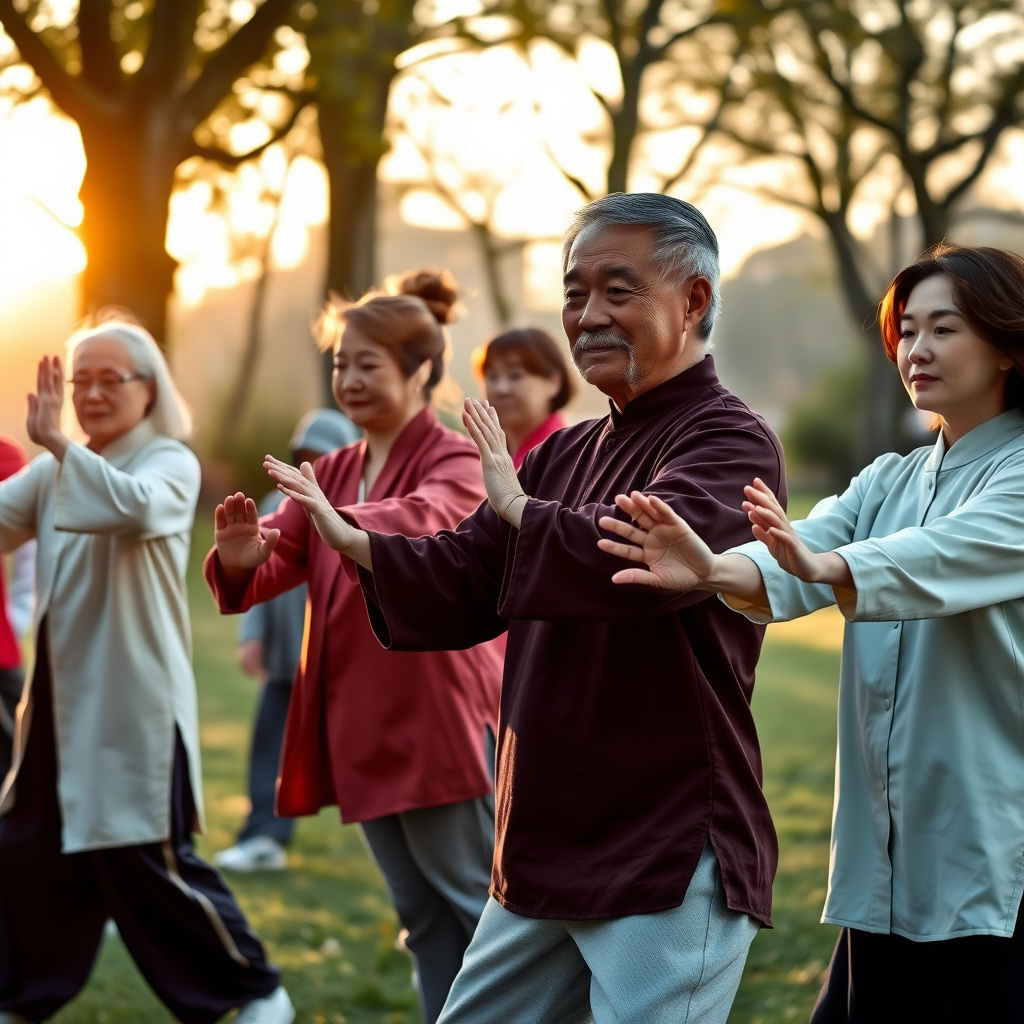
What Is Tai Chi?
Tai Chi is an ancient Chinese martial art. It involves slow, deliberate movements paired with deep breathing. Think of it as meditation in motion.
Unlike high-impact exercises, Tai Chi flows gently. Each posture transitions smoothly into the next. This creates a sense of harmony between body and mind.
The practice draws from Taoist philosophy. It emphasizes balance, like yin and yang. Practitioners aim to cultivate 'qi,' or life energy, through focused intent.
You don't need to understand the philosophy to benefit. Just moving through the forms can bring relief from daily pressures.
How Tai Chi Reduces Stress
Stress triggers the body's fight-or-flight response. This releases hormones like cortisol, which can harm health over time.
Tai Chi counters this by activating the relaxation response. Deep breathing slows your heart rate and eases muscle tension.
The slow movements encourage mindfulness. You focus on the present moment, letting go of worries about the past or future.
Regular practice builds resilience. Over time, you handle stressors better, reacting with calm instead of panic.
One study from Harvard Health showed Tai Chi lowers anxiety and improves mood. Participants reported feeling more centered after sessions. Harvard Health Link
Scientific Backing for Tai Chi's Benefits
Research supports Tai Chi's role in stress reduction. A review in the Journal of Alternative and Complementary Medicine found it reduces cortisol levels.
Another study by the Mayo Clinic highlights improved sleep quality. Better rest means less stress buildup during the day. Mayo Clinic Link
Tai Chi also boosts brain health. It increases gray matter in areas linked to emotion regulation, according to neuroimaging studies.
For those with chronic stress, Tai Chi offers a low-risk option. It's gentle on joints and adaptable to various abilities.
Key Benefits in a Table
| Benefit | How It Helps Stress Reduction |
|---|---|
| Mindfulness | Keeps you in the present, reducing rumination |
| Breathing | Lowers heart rate and promotes calm |
| Movement | Releases endorphins without strain |
| Balance | Improves physical stability, boosting confidence |
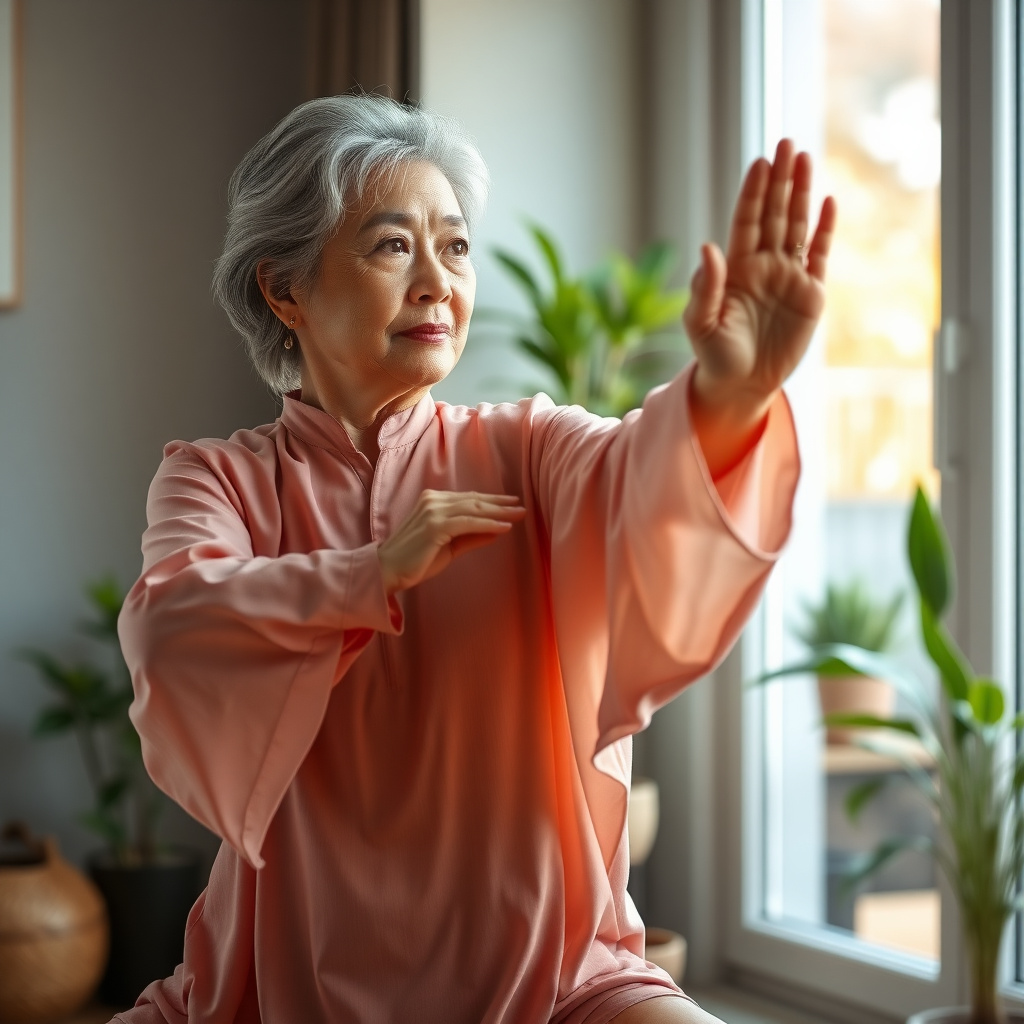
Personal Insights on Practicing Tai Chi
I started Tai Chi during a tough work period. Deadlines loomed, and sleep evaded me. A friend suggested trying it, so I joined a local class.
At first, the slow pace frustrated me. I wanted quick fixes. But after a few weeks, I noticed changes. My mind quieted, and tension in my shoulders eased.
Now, I practice 20 minutes most mornings. It sets a positive vibe. Even on busy days, a short form refreshes me.
One tip: Start small. Learn basic moves from online videos. Consistency matters more than perfection.
Tai Chi for Family Wellness and Longevity
Tai Chi isn't just for individuals. It supports family wellness too. Practicing together builds bonds and shared calm.
Imagine a family session in the backyard. Kids learn focus, parents unwind, and everyone laughs at wobbly poses.
This practice promotes longevity by reducing chronic stress. Lower stress means better heart health and immune function for all ages.
Tai Chi for family wellness and longevity creates lasting habits. Families report stronger connections and healthier routines.
In my experience, involving family multiplies the benefits. My spouse joins sometimes, and we both feel more energized.
Tips for Family Tai Chi
- Choose simple forms for beginners.
- Practice outdoors for fresh air.
- Make it fun with music or games.
- Schedule regular sessions, like weekly family time.
Getting Started with Tai Chi
Ready to try? Find a class at a community center or gym. Online platforms like YouTube offer free tutorials.
Wear comfortable clothes and shoes with good grip. No special equipment needed.
Begin with 10-15 minutes daily. Focus on breath and movement sync.
Track your progress. Note how stress levels change over weeks.
If you have health concerns, consult a doctor first. Tai Chi suits most, but guidance helps.

Summary
Tai Chi provides powerful benefits for stress reduction. It fosters mindfulness, eases tension, and supports overall well-being. Incorporating it into your routine, especially for family wellness, can lead to a calmer, healthier life.
Give it a try and experience the difference yourself.

Discuss Here