Overview
Starting your journey to run a 5K race is exciting! Whether you're aiming for personal fitness or planning to join family fun runs, these 5K race training tips for beginners will guide you. This article covers everything from creating a training plan to choosing the right gear, ensuring you cross the finish line with confidence.
Why Run a 5K? A Beginner’s Perspective
A 5K race, roughly 3.1 miles, is the perfect distance for beginners. It’s achievable yet challenging, making it a great goal for anyone new to running. I remember my first 5K—nervous but thrilled, I crossed the finish line with my kids cheering. That moment sparked a love for family fitness. 5K races are often community events, blending competition with fun, especially during family fun runs where kids and adults run together.
Running a 5K boosts your health—improving heart strength, stamina, and mood. Plus, it’s a fantastic way to bond over family wellness. Ready to start? Let’s dive into the tips.
Build a Simple Training Plan
A structured plan is key to 5K race training tips for beginners. Most beginners can prepare in 8-12 weeks. Here’s a sample 8-week plan:
| Week | Monday | Wednesday | Friday | Saturday |
|---|---|---|---|---|
| 1 | Walk 20 min | Run 1 min, Walk 2 min (repeat 7x) | Rest | Run 1 min, Walk 2 min (repeat 8x) |
| 3 | Run 2 min, Walk 1 min (repeat 8x) | Run 3 min, Walk 1 min (repeat 7x) | Rest | Run 4 min, Walk 1 min (repeat 6x) |
| 5 | Run 8 min, Walk 1 min (repeat 3x) | Run 10 min, Walk 1 min (repeat 2x) | Rest | Run 15 min, Walk 1 min (repeat 2x) |
| 7 | Run 20 min | Run 25 min | Rest | Run 30 min |
- Tip: Start slow. Alternate running and walking to build endurance.
- Rest Days: Take at least two rest days weekly to recover.
- Cross-Training: Add swimming or cycling for variety and family fitness.
When I started, I struggled with consistency. Setting a fixed schedule and involving my family kept me accountable. Try running with a spouse or kids for motivation.
Choose the Right Gear
You don’t need fancy equipment, but good gear makes a difference. Invest in quality running shoes—visit a local running store for a gait analysis to find the best fit. My first pair of shoes prevented blisters and made runs more comfortable.
- Shoes: Look for cushioning and support suited to your foot type.
- Clothing: Wear moisture-wicking fabrics to stay dry.
- Accessories: A water bottle or hydration belt is great for longer runs.
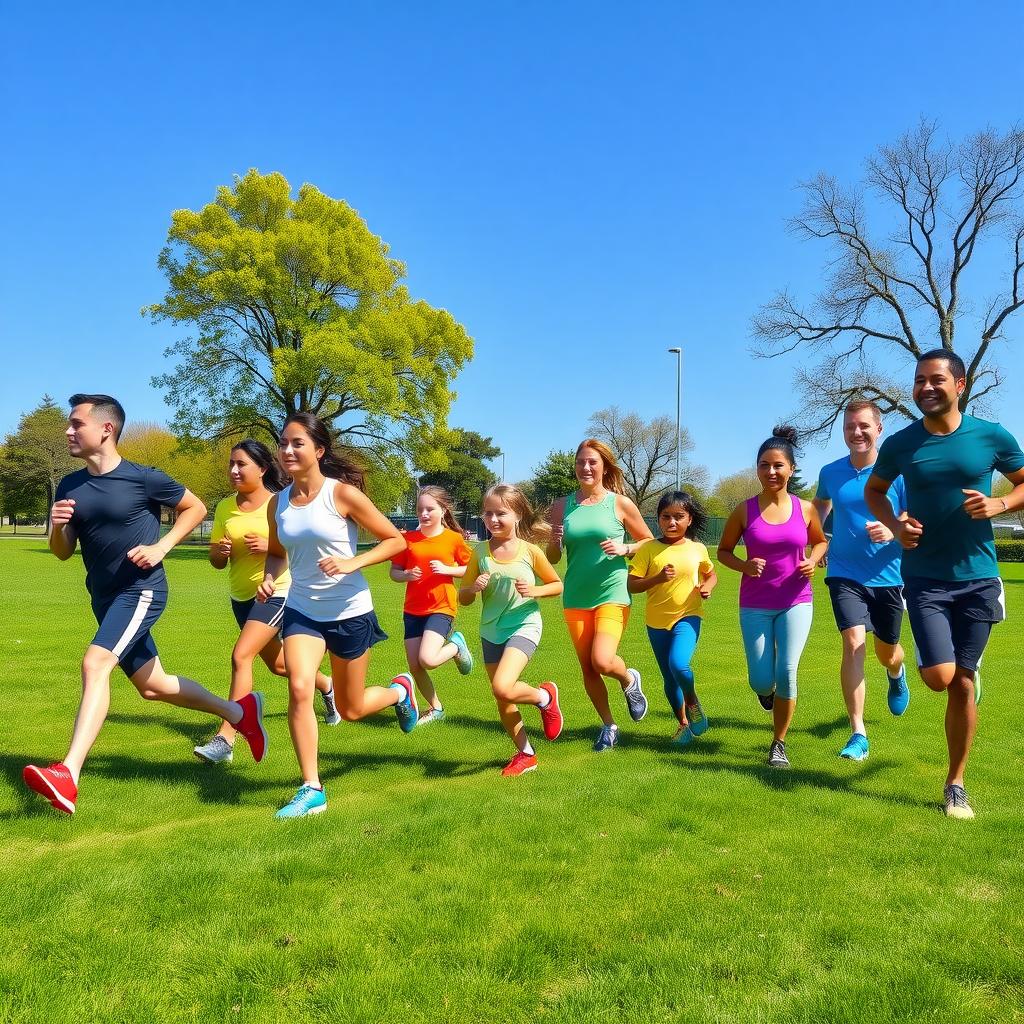
For family fun runs, get kids excited with bright, comfortable athletic wear. Matching family outfits can make the experience even more fun!
Fuel Your Body Right
Nutrition powers your training. Eat balanced meals with carbs, protein, and healthy fats. For example, oatmeal with fruit before a run gives you energy, while a post-run smoothie with protein helps recovery.
- Hydration: Drink water throughout the day, especially before and after runs.
- Snacks: Try bananas or energy gels 30 minutes before running.
- Family Wellness: Involve kids in meal prep to teach healthy habits.
I learned the hard way that skipping meals led to sluggish runs. Keep it simple—eat whole foods and stay hydrated. Check Harvard Health for more on nutrition for exercise.
Stay Motivated and Avoid Burnout
Motivation can fade, especially when runs get tough. Here’s how to stay on track:
- Set Goals: Aim for small milestones, like running 10 minutes without stopping.
- Join a Group: Local running clubs or family fun runs offer support.
- Track Progress: Use apps like Strava to log runs and see improvement.
My family made a game of it—each week, we’d celebrate small wins, like running an extra minute. For kids, stickers or small rewards after runs work wonders. Burnout is real, so listen to your body and take rest days when needed.
Prepare for Race Day
Race day is exciting but can feel overwhelming. Here’s how to be ready:
- Practice the Course: If possible, run part of the route beforehand.
- Arrive Early: Get to the race 30-60 minutes early to warm up.
- Pace Yourself: Start slow to avoid burning out early.
For family fun runs, check if the event offers kid-friendly activities or shorter distances. My kids loved their first 5K because of the music and snacks at the finish line. Pack light snacks and water for post-race recovery.

Common Mistakes to Avoid
Beginners often make avoidable errors. Here are some pitfalls and how to dodge them:
- Starting Too Fast: Pace yourself to save energy for the end.
- Skipping Warm-Ups: A 5-minute walk or light jog prevents injuries.
- Ignoring Pain: Stop if you feel sharp pain—rest is better than injury.
I once pushed through knee pain and regretted it. Resting early would’ve saved weeks of recovery. For kids, ensure they’re having fun, not overdoing it.
Make It a Family Affair
5K races are perfect for family fitness. Many events include shorter distances for kids or stroller-friendly paths. Running together builds teamwork and healthy habits. My family started with a local fun run, and now we plan one every season. Look for races labeled as family fun runs—they often have games, face painting, or music to keep everyone engaged.
To get kids excited:
- Let them pick colorful gear.
- Run at their pace.
- Celebrate every step, not just the finish line.
Summary
Training for your first 5K is a rewarding journey. With a solid plan, the right gear, proper nutrition, and a focus on family wellness, you’ll be ready to tackle 5K races with confidence. Whether running solo or with loved ones, these 5K race training tips for beginners will set you up for success. Lace up, have fun, and enjoy the run!

Discuss Here