Overview
Emergency vehicles save lives, but traffic can slow them down. Innovative Traffic Solutions for Emergency Vehicles aim to clear the way, ensuring ambulances, fire trucks, and police cars reach those in need faster. This article explores how these solutions improve response times, enhance access to care in emergency situations, and promote health equity in urban areas.
The Challenge of Urban Traffic for Emergency Services
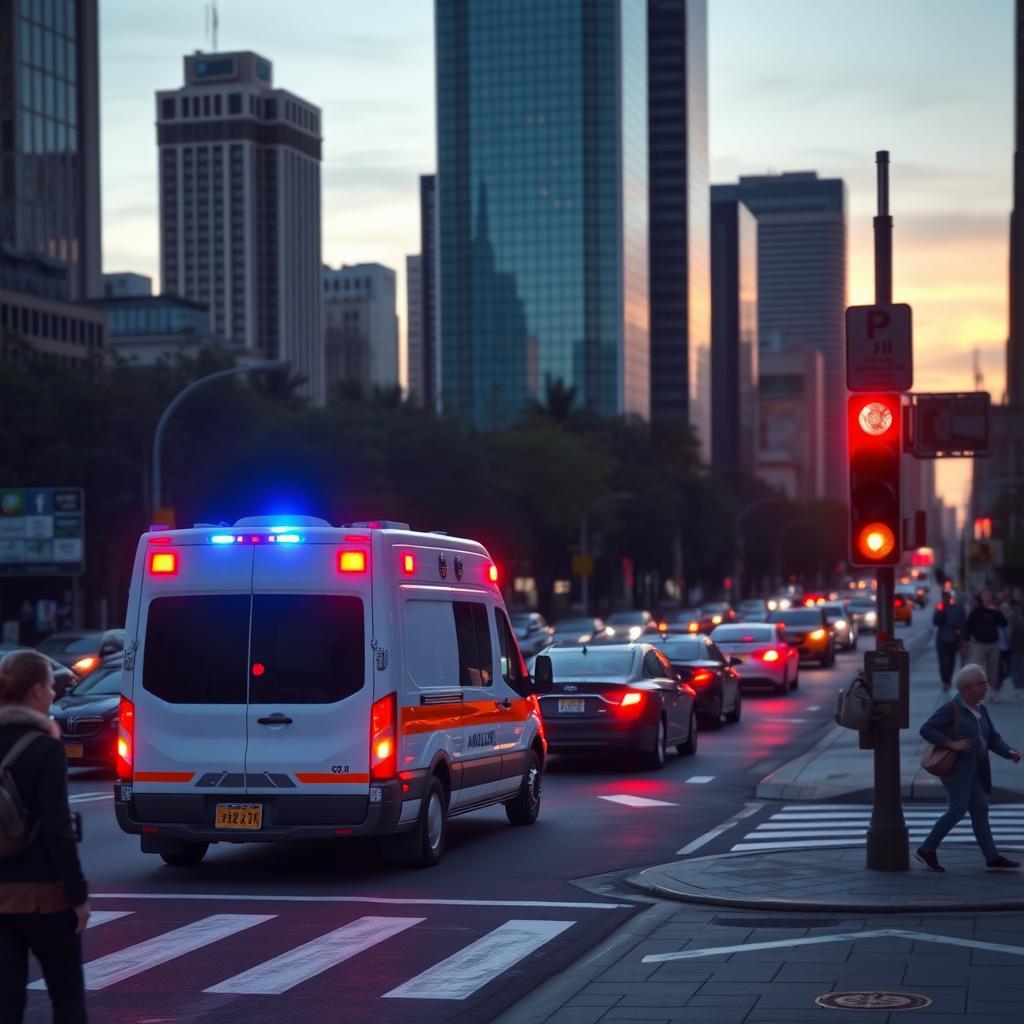
In bustling cities, traffic congestion is a major hurdle for emergency responders. Picture an ambulance stuck at a red light while a patient waits. Every second counts in emergencies, yet studies show that traffic delays can increase response times by up to 10 minutes in dense urban areas. This delay can mean the difference between life and death.
Improving Urban Emergency Medical Services starts with understanding the problem. Narrow roads, heavy traffic, and unpredictable pedestrian patterns create bottlenecks. For example, a 2023 report from the National Emergency Medical Services Association noted that urban EMS response times average 8-12 minutes, compared to 5-7 minutes in suburban areas. These gaps highlight the need for innovative traffic solutions for emergency vehicles.
Smart Traffic Signals: A Game-Changer
One of the most promising solutions is smart traffic signal systems. These use real-time data to prioritize emergency vehicles. When an ambulance approaches, the system detects its GPS signal and turns lights green along its path. Cities like Seattle and Toronto have adopted this technology, reducing response times by up to 20%.
Here’s how it works: - GPS Tracking: Emergency vehicles send location data to traffic control centers. - Signal Preemption: Lights change to favor the vehicle’s route. - Real-Time Adjustments: The system adapts to traffic patterns.
This technology not only speeds up response times but also improves access to care in emergency situations by ensuring help arrives quickly, especially in underserved neighborhoods.
Dedicated Emergency Lanes
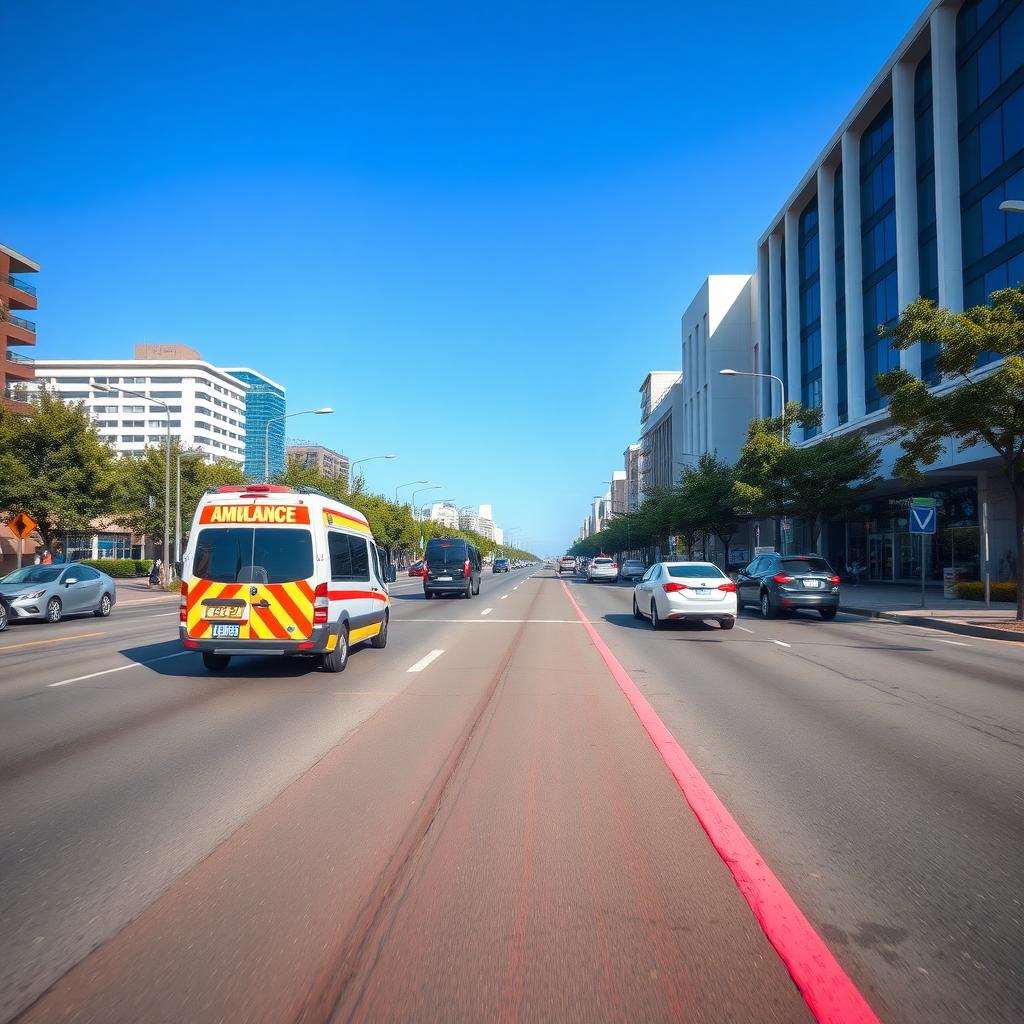
Another solution is creating dedicated lanes for emergency vehicles. These lanes, marked clearly for ambulances and fire trucks, bypass regular traffic. In cities like London, dedicated lanes have cut travel times by 15%. However, challenges like enforcement and space constraints in older cities can limit their use.
I’ve seen this firsthand in my hometown. A local hospital partnered with city planners to pilot an emergency lane on a busy corridor. Response times dropped noticeably, but drivers occasionally misused the lane, showing the need for strict enforcement and public education.
AI and Predictive Routing
Artificial intelligence is revolutionizing emergency response. AI systems analyze traffic patterns, accident data, and even weather to suggest the fastest routes for emergency vehicles. For example, apps like Waze for first responders provide real-time routing based on live traffic data.
In 2024, a pilot program in Chicago used AI to predict traffic choke points. Ambulances avoided congested areas 70% more effectively, shaving critical minutes off response times. This technology supports health equity by ensuring faster responses in low-income areas, which often face longer wait times due to systemic issues.
Community Engagement and Education
Technology alone isn’t enough. Public awareness is key to improving urban emergency medical services. Drivers need to know how to react when they hear sirens. Campaigns like “Pull Over, Save a Life” teach people to move right and stop for emergency vehicles.
I recall a local initiative where EMS workers visited schools to explain the importance of clearing the way. Kids were thrilled to sit in an ambulance, and the message stuck. Months later, I saw a driver pull over promptly for a fire truck—proof that education works.
Drones and Aerial Solutions
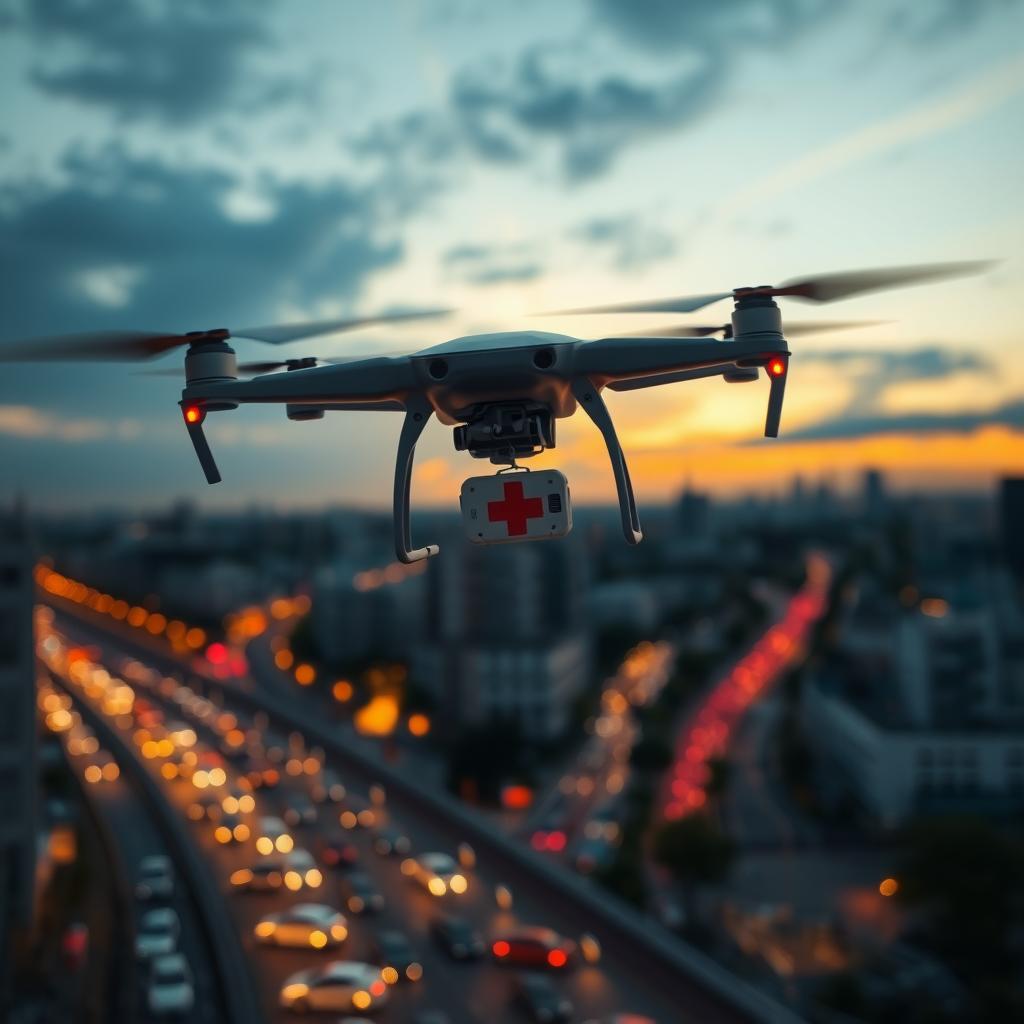
Drones are an exciting frontier in emergency response. In rural areas, drones deliver medical supplies like defibrillators faster than ambulances can navigate traffic. In urban settings, drones equipped with cameras provide real-time traffic updates to EMS teams, helping them avoid gridlock.
A 2025 study by the Journal of Emergency Medicine found that drone-assisted responses reduced delivery times for critical supplies by 50% in test scenarios. While still emerging, this technology could transform access to care in both urban and rural settings.
Policy and Infrastructure Changes
Long-term solutions require policy shifts. Cities must prioritize emergency vehicle access in urban planning. This includes wider roads, better signage, and penalties for blocking emergency routes. Partnerships between EMS, city officials, and tech companies can drive these changes.
For example, New York City’s Vision Zero program, launched to reduce traffic fatalities, now includes EMS access as a core goal. Since 2020, the city has redesigned 50 intersections to prioritize emergency vehicles, improving response times by 10%.
| City | Solution | Response Time Reduction |
|---|---|---|
| Seattle | Smart Traffic Signals | 20% |
| London | Dedicated Lanes | 15% |
| Chicago | AI Routing | 12% |
| New York | Intersection Redesign | 10% |
Addressing Health Equity
Innovative traffic solutions for emergency vehicles also tackle health equity. Low-income and minority communities often face longer EMS response times due to congested roads or underfunded infrastructure. Smart signals, AI routing, and drones can bridge this gap, ensuring faster care for all.
A 2024 report from the CDC highlighted that equitable access to emergency services reduces mortality rates in underserved areas by up to 15%. By prioritizing these solutions, cities can make access to care in emergency situations a reality for everyone.
Challenges and Future Directions
Despite progress, challenges remain. Smart systems require significant investment, and older cities struggle to retrofit infrastructure. Public resistance to change, like new lanes reducing parking, can also slow adoption. Still, the future looks bright.
Emerging technologies like autonomous vehicles could further streamline EMS routes. Imagine self-driving cars automatically pulling over for ambulances. Pilot programs are already testing this in California, with promising results.
Summary
Innovative Traffic Solutions for Emergency Vehicles are transforming how emergency services operate. From smart signals to AI routing and drones, these tools save time and lives. By addressing urban challenges and promoting health equity, cities can ensure everyone has access to care in emergency situations. Continued investment and community support will drive these solutions forward.

Discuss Here