Overview: Supporting Your Child with Chronic Conditions
Raising a child with a chronic condition can feel overwhelming, but with the right tools and knowledge, parents can help their children thrive. From chronic FPIES in infants to asthma or diabetes, managing chronic conditions in children requires patience, planning, and support. This guide shares practical strategies and personal insights to empower parents.
Understanding Chronic Conditions in Children
Chronic conditions in children, such as asthma, diabetes, epilepsy, or chronic FPIES, are long-term health issues that require ongoing care. These conditions can affect a child’s daily life, from school activities to family routines. Unlike acute illnesses, chronic conditions don’t go away, but they can often be managed effectively with proper treatment and lifestyle adjustments.
For example, chronic FPIES in infants (Food Protein-Induced Enterocolitis Syndrome) is a food allergy that causes severe vomiting and diarrhea, often triggered by specific foods like dairy or soy. Unlike typical allergies, FPIES doesn’t cause immediate symptoms but can lead to delayed reactions, making it tricky to diagnose and manage.
According to the American Academy of Pediatrics, about 25% of children in the U.S. live with a chronic condition. This statistic highlights the importance of understanding these conditions and their impact on families. Whether it’s monitoring blood sugar for diabetes or avoiding trigger foods for FPIES, parents play a critical role in their child’s health.

Creating a Management Plan
Managing chronic conditions in children starts with a clear plan. Work closely with your child’s healthcare team to develop a strategy tailored to their needs. Here’s how to get started:
- Consult Specialists: For conditions like chronic FPIES, consult a pediatric allergist or gastroenterologist. They can identify trigger foods and create a safe diet plan.
- Track Symptoms: Keep a daily log of symptoms, triggers, and treatments. For FPIES, note which foods cause reactions and when symptoms appear.
- Educate Yourself: Learn about your child’s condition. For instance, the FPIES Foundation offers resources on managing chronic FPIES, including safe food lists and emergency protocols.
- Involve Your Child: As children grow, teach them about their condition in age-appropriate ways. A child with diabetes can learn to check their blood sugar, while a child with FPIES can learn to avoid trigger foods.
Personal insight: When my nephew was diagnosed with chronic FPIES, our family struggled to understand his sudden vomiting episodes. Keeping a food diary helped us pinpoint rice as a trigger, which was surprising since it’s often considered a ‘safe’ food. This experience taught us the value of patience and detailed tracking.
Navigating Daily Life
Living with a chronic condition affects more than just medical care—it impacts school, social activities, and family dynamics. Here are practical tips for managing daily life:
School and Activities
- Communicate with Teachers: Share your child’s condition with school staff. For FPIES, provide a list of safe snacks and an action plan for reactions.
- Create a 504 Plan: A 504 Plan ensures accommodations for children with chronic conditions, like extra time for medical needs or safe meal options.
- Encourage Participation: Help your child join activities they love, adjusting as needed. For example, a child with asthma might need an inhaler during sports.
Emotional Support
Chronic conditions can be emotionally taxing. Children may feel different or frustrated. Offer reassurance and consider counseling if needed. Connecting with support groups, like those for chronic FPIES, can help families share experiences and tips.

Nutrition and Chronic Conditions
Diet plays a huge role in managing many chronic conditions, especially chronic FPIES in infants. For FPIES, avoiding trigger foods is critical. Common triggers include milk, soy, grains, and certain proteins. A registered dietitian can help create a balanced, safe meal plan.
Here’s a sample meal plan for a child with FPIES:
| Meal | Food Options | Notes |
|---|---|---|
| Breakfast | Oat-free quinoa porridge, banana | Confirm quinoa is safe via doctor |
| Lunch | Grilled chicken, mashed sweet potato | Avoid sauces with dairy |
| Snack | Sliced apples, sunflower butter | Check for cross-contamination |
| Dinner | Baked salmon, steamed carrots | Use simple seasonings |
Always introduce new foods one at a time and monitor for reactions, especially with FPIES.
Personal insight: Our family learned to batch-cook safe meals for my nephew to reduce stress. We also found local support groups invaluable—they shared recipes and tips that made mealtimes easier and more fun for him.
Emergency Preparedness
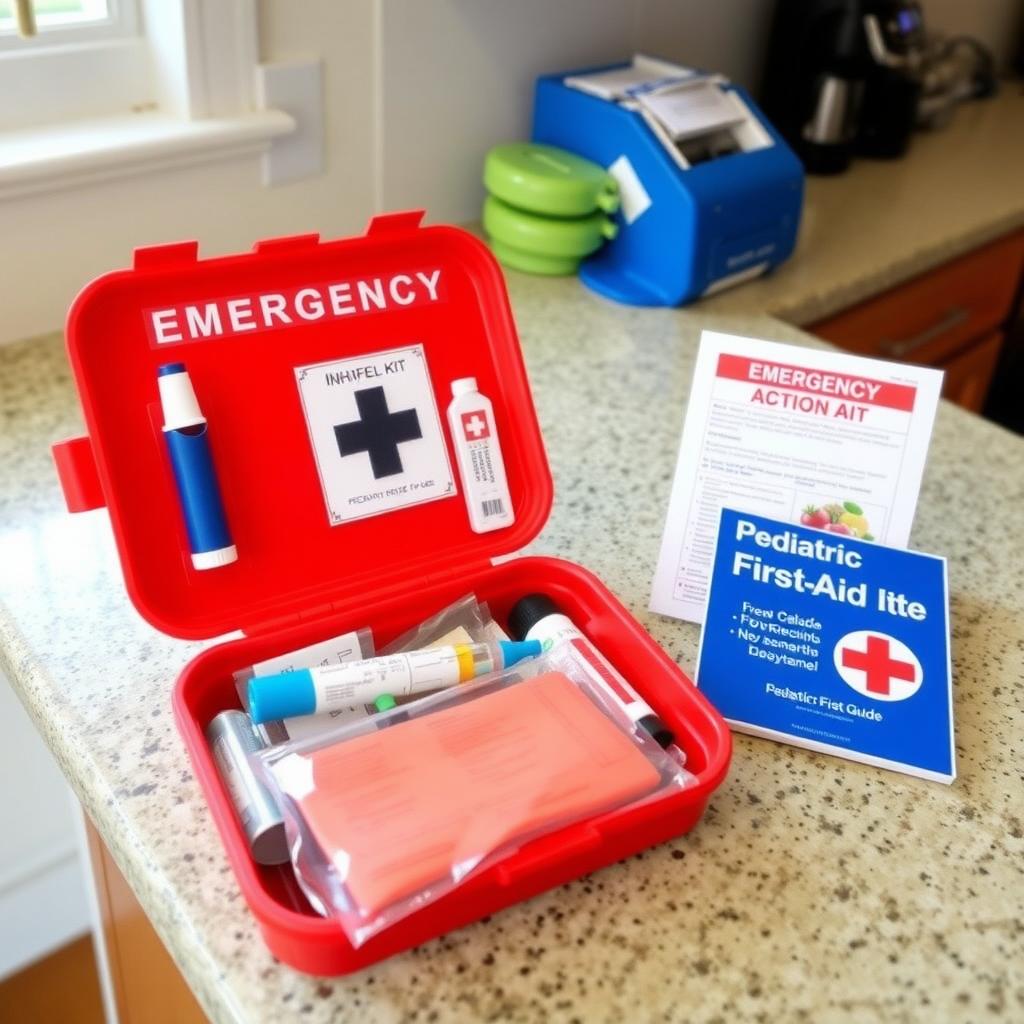
Chronic conditions can lead to unexpected emergencies. For FPIES, reactions can escalate quickly, requiring immediate action. Create an emergency plan:
- Know the Signs: For FPIES, watch for severe vomiting, lethargy, or pale skin, which may signal dehydration.
- Have a Kit: Keep medications, like inhalers or epinephrine for other conditions, easily accessible.
- Share the Plan: Ensure caregivers, teachers, and family know what to do in an emergency.
The Centers for Disease Control and Prevention recommends having an action plan for chronic conditions, including contact numbers and steps to take during a crisis.
Building a Support Network
You don’t have to manage your child’s condition alone. Build a support network of family, friends, healthcare providers, and other parents. Online communities, like those on the FPIES Foundation website, offer forums to connect with others facing similar challenges.
Personal insight: Joining a parent group for chronic FPIES helped us feel less isolated. Hearing how other families managed school lunches or explained the condition to relatives gave us practical ideas and emotional support.
Looking Ahead: Long-Term Management
As children grow, their needs change. Regular check-ups with specialists ensure treatments stay effective. For chronic FPIES, some children outgrow the condition by age 3-5, but others need lifelong management. Stay proactive by keeping up with the latest research and adjusting care plans as needed.
Summary
Managing chronic conditions in children, like chronic FPIES in infants, requires a blend of medical care, lifestyle adjustments, and emotional support. By creating a tailored plan, staying prepared for emergencies, and building a strong support network, parents can help their children lead happy, healthy lives. With patience and knowledge, you can navigate these challenges with confidence.

Discuss Here