Overview
Raising healthy kids starts with good nutrition. Growing children need the right foods to fuel their bodies and minds. From managing picky eating to addressing conditions like Chronic FPIES Symptoms in infants, parents face many challenges. This guide offers practical Nutrition Tips for Growing Kids to help your child thrive.
Why Nutrition Matters for Kids
Kids grow fast, and their bodies need proper fuel to support development. Bones, muscles, and brains rely on nutrients like protein, calcium, and healthy fats. Good eating habits early on can prevent health issues later, including obesity and diabetes. For some kids, conditions like Chronic FPIES (Food Protein-Induced Enterocolitis Syndrome) make nutrition even trickier. This condition, often seen in infants, causes severe reactions to certain foods, leading to vomiting, diarrhea, or dehydration.
As a parent, I’ve seen how food impacts my kids’ energy and mood. My youngest struggled with picky eating, and we worried about nutrient gaps. For families dealing with Chronic FPIES Symptoms, the stakes are higher. You’re not just feeding a child—you’re navigating a medical puzzle to keep them safe.
Understanding Chronic FPIES in Kids
Chronic FPIES is a food allergy that affects young children, often infants. Unlike typical allergies, FPIES doesn’t cause immediate hives or swelling. Instead, it triggers delayed reactions, like vomiting or diarrhea, hours after eating trigger foods. Common culprits include milk, soy, or grains. Managing Chronic FPIES Symptoms in infants requires careful food tracking and often medical guidance.
I remember a friend whose baby had Chronic FPIES. They spent months identifying triggers, working with a pediatrician to create a safe diet. It was exhausting but critical. If your child has FPIES, consult a specialist. Resources like the International FPIES Association can offer support and guidance.
Key Nutrition Tips for Growing Kids
Here are practical, research-backed tips to ensure your child gets the nutrients they need:
1. Prioritize Whole Foods
Offer fruits, vegetables, whole grains, lean proteins, and healthy fats. These provide vitamins and minerals kids need. For example, spinach is packed with iron, and salmon offers omega-3s for brain health. If Chronic FPIES is a concern, work with a dietitian to find safe options.
2. Make Meals Fun
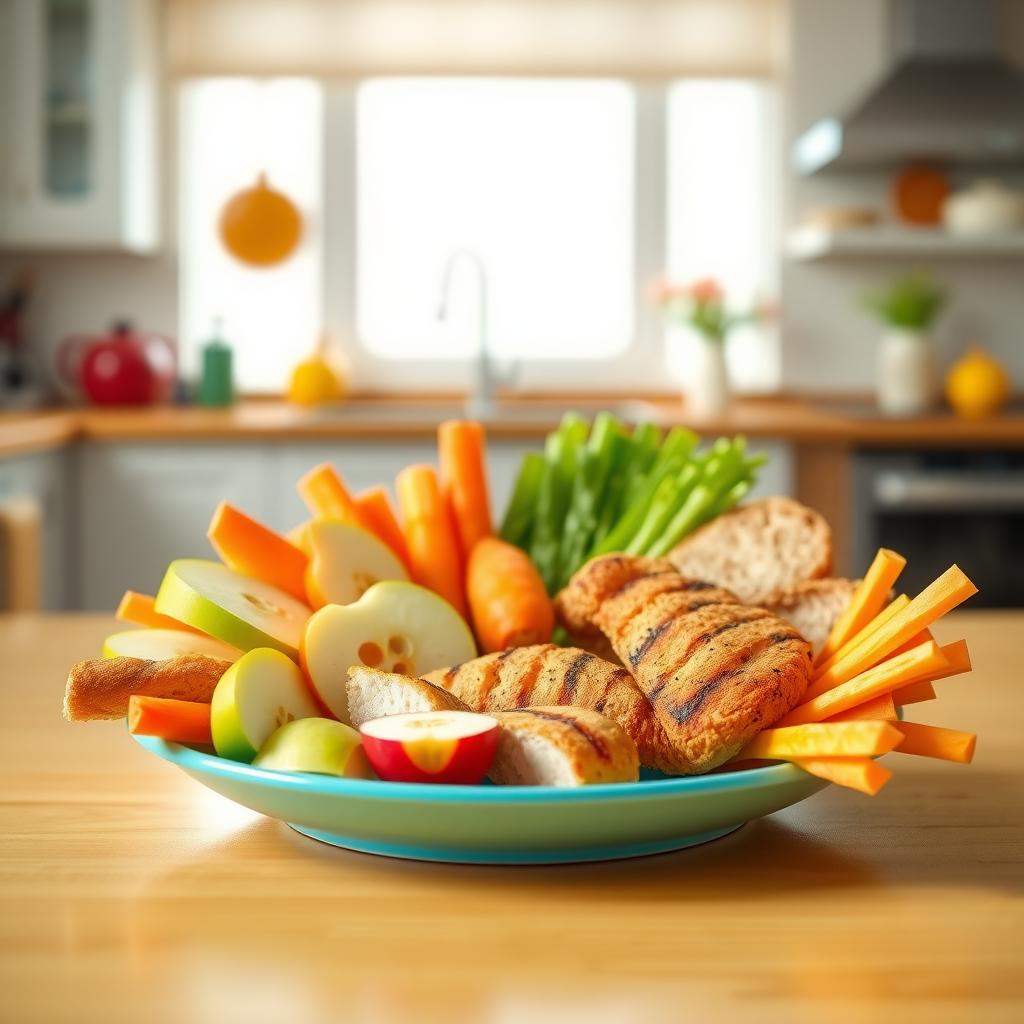
Kids eat what looks exciting. Cut veggies into shapes or arrange food into faces on the plate. My kids love ‘rainbow plates’ with colorful foods. It’s a simple trick that works.
3. Limit Processed Foods
Chips, sugary drinks, and candies offer little nutrition and can lead to unhealthy habits. Swap them for healthier snacks like yogurt or fruit. For FPIES kids, processed foods can be risky triggers, so always check ingredients.
4. Involve Kids in Cooking
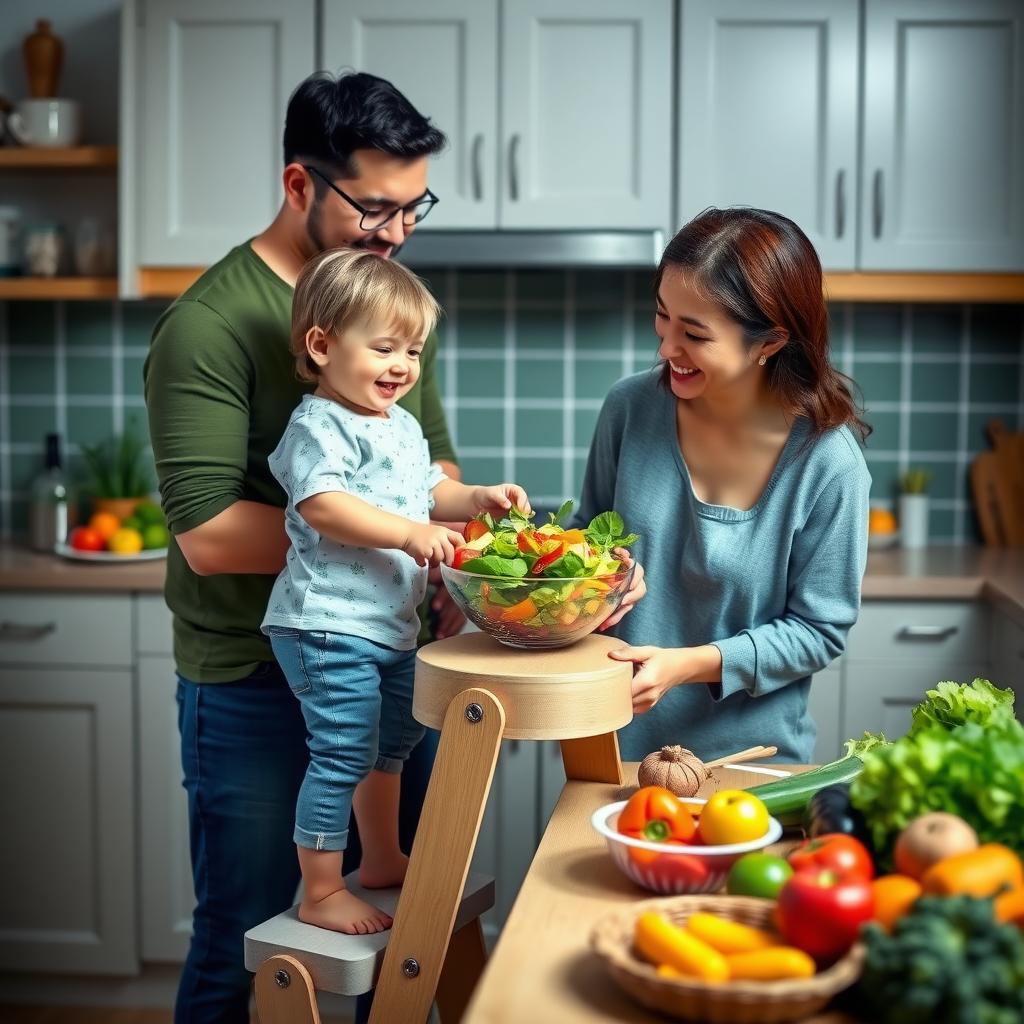
Let kids help in the kitchen. They’re more likely to eat what they’ve made. My daughter loves mixing salads—it’s messy but effective!
5. Stay Consistent but Flexible
Offer new foods regularly, but don’t force them. It can take 10-15 tries for kids to accept new flavors. Be patient, especially with FPIES kids who may fear certain foods.
| Nutrient | Food Sources | Benefits |
|---|---|---|
| Protein | Chicken, beans, eggs | Muscle growth |
| Calcium | Milk, yogurt, leafy greens | Strong bones |
| Iron | Red meat, spinach, lentils | Energy and focus |
| Omega-3s | Fish, walnuts, flaxseeds | Brain development |
Addressing Picky Eating
Picky eating is common, but it can feel overwhelming. My son went through a phase where he’d only eat pasta. We slowly introduced new foods by pairing them with favorites. For example, we added veggies to his pasta sauce. Research from the American Academy of Pediatrics suggests exposing kids to variety early can reduce pickiness.
For kids with Chronic FPIES, picky eating can stem from fear of reactions. Work closely with a doctor to identify safe foods and make them appealing. Small, frequent meals can also help kids with FPIES feel comfortable eating.
Creating Balanced Meals
A balanced plate for kids should include: - Fruits and Vegetables: Half the plate, for vitamins and fiber. - Protein: A quarter of the plate, for growth. - Whole Grains: A quarter of the plate, for energy. - Healthy Fats: A small amount, like avocado or nuts, for brain health.
For FPIES kids, you may need to swap out common triggers. For example, if rice is a trigger, try quinoa. Always double-check with a dietitian. I’ve found meal planning helps. On Sundays, I map out the week’s meals, ensuring variety and safety for my kids.
Hydration and Snacks
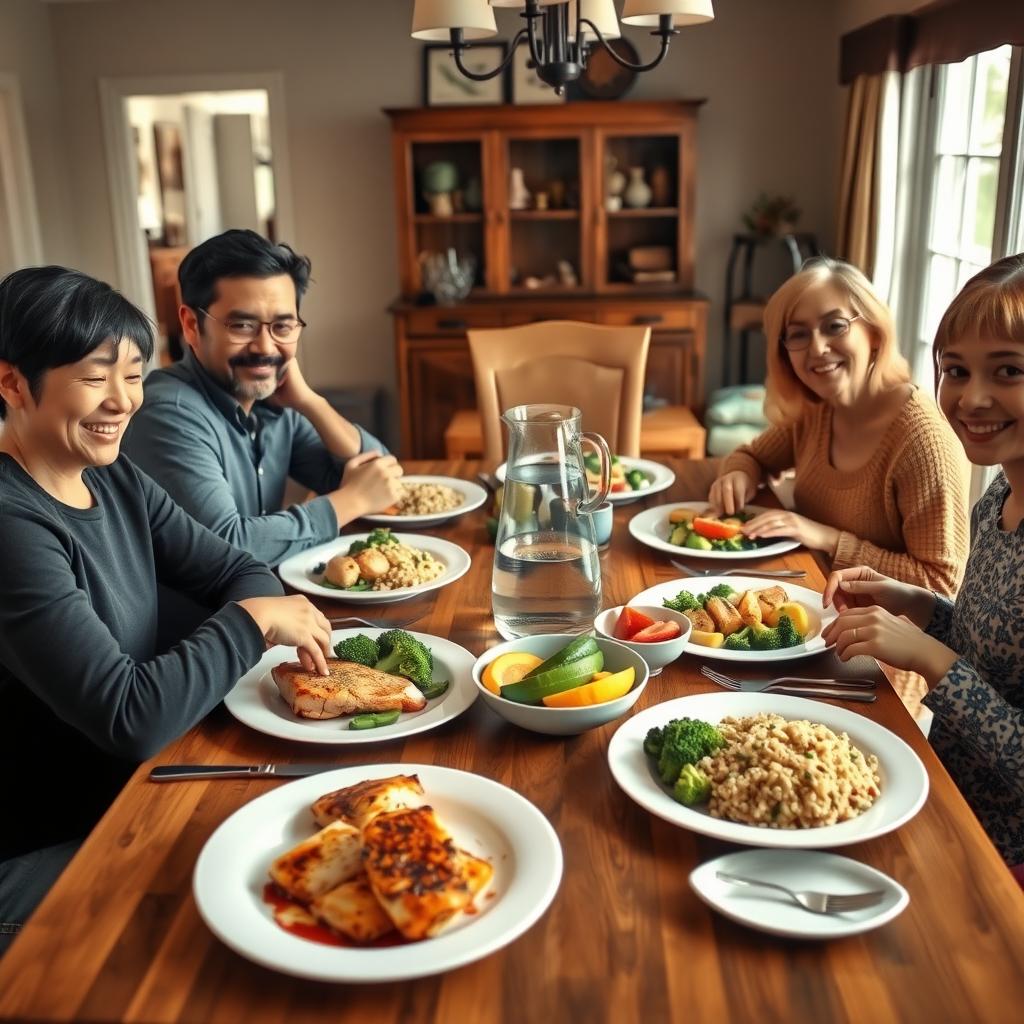
Kids need plenty of water to stay hydrated. Limit sugary drinks, which can spike energy and crash moods. For snacks, think nutrient-dense: apple slices with peanut butter or hummus with carrots. For FPIES kids, ensure snacks are trigger-free. My friend with an FPIES child always carried safe snacks like homemade oat bars.
Here’s a quick snack idea list: - Apple slices with almond butter - Carrot sticks with hummus - Plain yogurt with berries - Whole-grain crackers with cheese
These are simple, quick, and kid-approved.
Long-Term Benefits of Good Nutrition
Teaching kids healthy eating habits sets them up for life. They’re less likely to face obesity, heart disease, or other issues. For kids with Chronic FPIES Symptoms, a safe diet means fewer reactions and better growth. I’ve seen my kids’ energy and focus improve with better food choices. It’s not always easy, but it’s worth it.
One tip that worked for us: model good eating. Kids copy what they see. When I eat veggies, my kids are more likely to try them. It’s a small change with big results.
Summary
Good nutrition is the foundation of healthy growth for kids. By offering whole foods, making meals fun, and addressing challenges like picky eating or Chronic FPIES, you can help your child thrive. Start small, stay consistent, and involve your kids in the process. With the right Nutrition Tips for Growing Kids, you’re building habits that last a lifetime.

Discuss Here