Overview
Stress can feel like a heavy weight, dragging you down physically and mentally. But there’s a powerful, natural tool to fight it: sleep. Why Sleep Is Your Stress Superpower explores how rest transforms your body and mind, easing stress and its symptoms. Let’s dive into why sleep matters and how to harness it for a calmer life.
The Science Behind Sleep and Stress
When stress hits, your body goes into overdrive. Your heart races, muscles tense, and your mind spins. This is your fight-or-flight response, triggered by the hormone cortisol. While cortisol is helpful in short bursts, chronic stress keeps it elevated, leading to issues like anxiety, headaches, or even chronic vomiting.
Sleep acts like a reset button. During deep sleep, your body lowers cortisol levels, balances hormones, and repairs tissues. Studies from the National Sleep Foundation show that 7-9 hours of sleep per night can reduce stress-related inflammation by up to 30%. Without enough rest, your brain struggles to process emotions, making stress feel overwhelming.
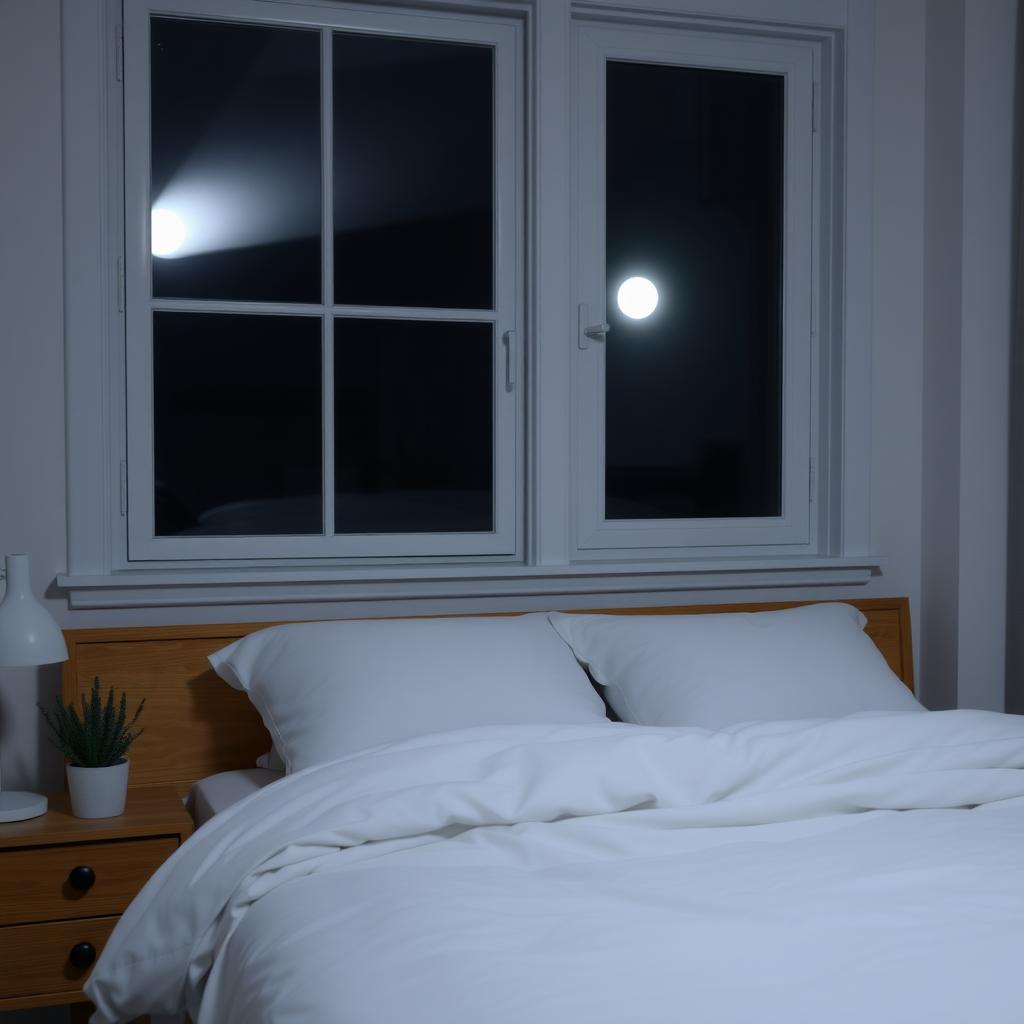
How Sleep Tackles Physical Symptoms of Stress
Stress doesn’t just mess with your mind—it hits your body hard. Stress Management for Physical Symptoms starts with understanding how sleep helps. Chronic stress can cause muscle pain, digestive issues, and even natural remedies for chronic vomiting. Sleep supports your nervous system, calming overactive responses that lead to these symptoms.
For example, poor sleep can worsen nausea or vomiting by disrupting your gut-brain connection. A 2023 study in the Journal of Clinical Sleep Medicine found that consistent sleep schedules reduced gastrointestinal symptoms in 65% of participants. By prioritizing rest, you give your body a chance to heal naturally.
Practical Tips for Better Sleep
Getting quality sleep isn’t just about lying down. Here are actionable Stress Management for Physical Symptoms: Tips That Work to improve your rest:
- Set a Consistent Schedule: Go to bed and wake up at the same time daily, even on weekends. This trains your body’s internal clock.
- Create a Relaxing Bedtime Routine: Try reading, meditating, or sipping chamomile tea. Avoid screens 1-2 hours before bed to reduce blue light exposure.
- Optimize Your Sleep Environment: Keep your bedroom cool (around 65°F), dark, and quiet. Consider blackout curtains or a white noise machine.
- Limit Caffeine and Alcohol: Both can disrupt sleep cycles, so avoid them 6 hours before bedtime.

Everyday Calm: Easy Stress Relief Techniques
Sleep alone isn’t enough—you need daily habits to keep stress in check. Everyday Calm: Easy Stress Relief Techniques can amplify sleep’s benefits. Here’s a simple routine to try:
| Time of Day | Activity | Benefit |
|---|---|---|
| Morning | 10-minute stretch or walk | Boosts mood and energy |
| Midday | Deep breathing (4-7-8 method) | Lowers cortisol instantly |
| Evening | Journaling or gratitude practice | Reduces mental clutter |
These habits, combined with sleep, create a powerful stress-fighting duo. For example, journaling before bed can clear your mind, making it easier to fall asleep. A 2024 study from Harvard Medical School found that gratitude practices improved sleep quality in 70% of participants.
Natural Remedies for Chronic Vomiting and Stress
Chronic vomiting is a distressing physical symptom of stress, often linked to anxiety or gut imbalances. Sleep can help, but pairing it with natural remedies for chronic vomiting boosts relief. Consider these options:
- Ginger: A natural anti-nausea remedy. Try ginger tea or capsules (250 mg daily, as per a 2022 study in Gastroenterology).
- Peppermint: Inhaling peppermint oil or sipping peppermint tea soothes the stomach.
- Acupressure: Pressing the P6 point (inner wrist, two fingers below the crease) can reduce nausea, according to the American Academy of Family Physicians.
Always consult a doctor before trying remedies, especially if vomiting persists. Pair these with consistent sleep to address the root cause—stress.

Personal Insights: My Journey with Sleep and Stress
I used to think I could power through stress with coffee and late nights. But after months of headaches, stomach issues, and constant worry, I hit a wall. A friend suggested tracking my sleep, and I realized I was barely getting 5 hours a night. I started small—dimming lights, cutting out evening snacks, and setting a strict bedtime. Within weeks, my headaches eased, and I felt calmer.
What surprised me most was how sleep made me more resilient. A bad day didn’t spiral into a bad week anymore. Pairing sleep with simple habits, like morning walks and ginger tea for my upset stomach, transformed my life. It wasn’t instant, but it was worth it.
Overcoming Common Sleep Barriers
Life gets in the way of sleep sometimes. Here are common obstacles and how to tackle them:
- Racing Thoughts: Try a ‘brain dump’—write down worries before bed to offload them.
- Busy Schedules: Prioritize sleep like a meeting. Block off 8 hours and stick to it.
- Screen Time: Use blue-light-blocking glasses if you must use devices at night.
If you’re struggling, talk to a healthcare provider. Conditions like insomnia or sleep apnea might need professional help. The Sleep Research Society notes that 1 in 5 adults faces sleep challenges, so you’re not alone.
Summary
Sleep is your stress superpower because it resets your body, calms your mind, and tackles physical symptoms like chronic vomiting. By building a consistent sleep routine and pairing it with daily stress relief techniques, you can unlock a calmer, healthier life. Start small, stay consistent, and let sleep work its magic.

Discuss Here