Overview
Visual schedules are powerful tools for children with special needs, helping them navigate daily routines with confidence. By providing clear, visual cues, these schedules reduce anxiety and promote independence. This guide, inspired by Creating Visual Schedules for Children with Special Needs - Understood.org, offers families actionable strategies to create effective schedules.
Why Visual Schedules Matter
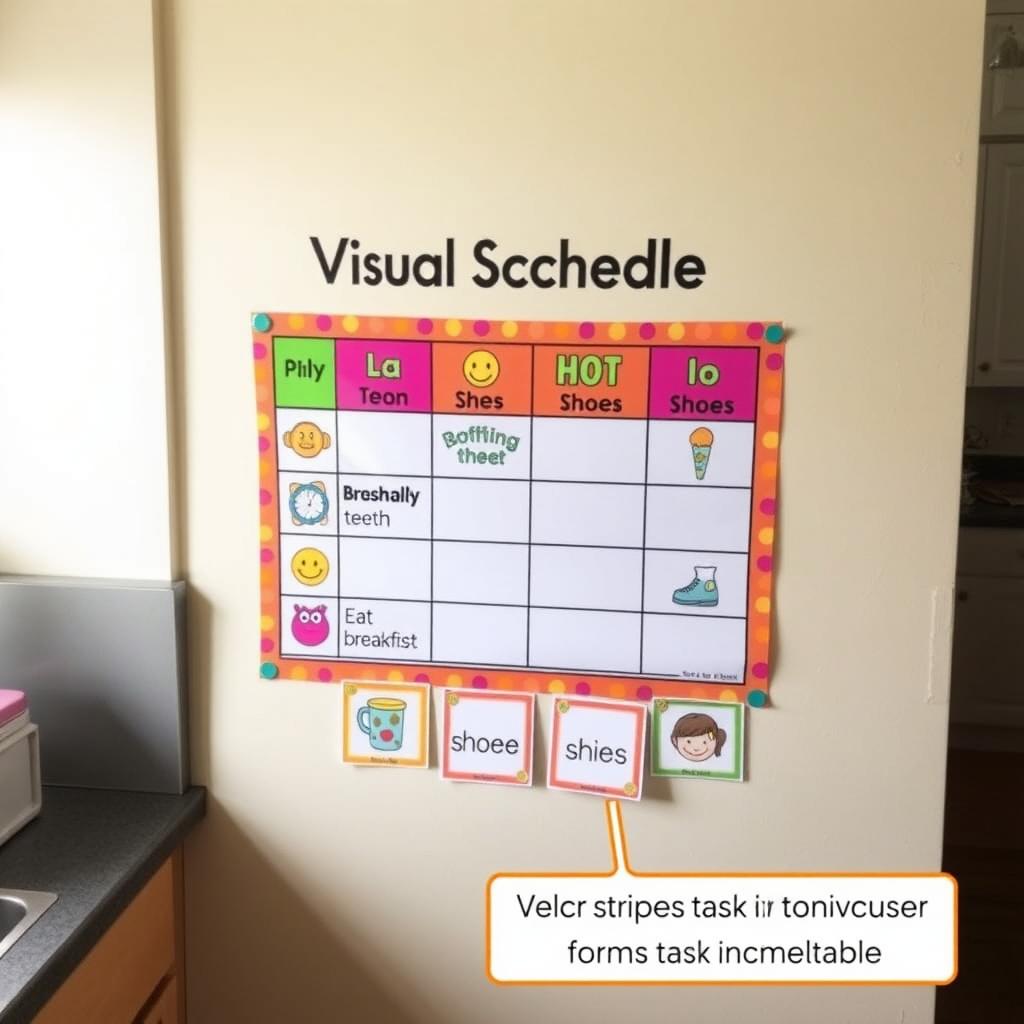
Children with special needs, such as autism or ADHD, often thrive on predictability. A visual schedule breaks down tasks into manageable steps, making routines easier to follow. I’ve seen this firsthand with my nephew, who has autism. His mornings used to be chaotic until his parents introduced a visual schedule. Suddenly, he knew exactly what to expect—brush teeth, eat breakfast, get dressed—and meltdowns dropped significantly.
Research supports this. According to Understood.org, visual schedules align with Applied Behavior Analysis (ABA) principles, which emphasize clear expectations to shape behavior. They’re not just charts; they’re lifelines for kids who struggle with transitions or processing verbal instructions.
Understanding Visual Schedules: A Guide for Families
A visual schedule is a tool that uses pictures, symbols, or words to outline tasks or routines. It’s customizable to fit a child’s needs, whether they’re nonverbal, have sensory processing issues, or struggle with executive functioning. The beauty of visual schedules lies in their flexibility—you can adapt them for school, home, or even outings.
For example, my friend Sarah created a simple schedule for her daughter, who has ADHD. She used a whiteboard with magnetic icons for tasks like 'homework' and 'playtime.' The visual cues helped her daughter stay focused without constant verbal reminders. Understood.org emphasizes that these schedules work because they reduce cognitive overload, letting kids focus on one step at a time.
How to Create an Effective Visual Schedule
Creating a visual schedule doesn’t require fancy tools—just intention and consistency. Here’s a step-by-step guide based on Applied Behavior Analysis strategies for parents and insights from Understood.org:
-
Identify Key Tasks: Start with daily routines like morning prep or bedtime. Break them into small, clear steps. For example, 'get dressed' might include 'put on shirt,' 'put on pants,' and 'put on socks.'
-
Choose Visuals: Use pictures, drawings, or words based on your child’s comprehension level. Younger kids or nonverbal children respond well to photos or simple icons. Older kids might prefer written checklists.
-
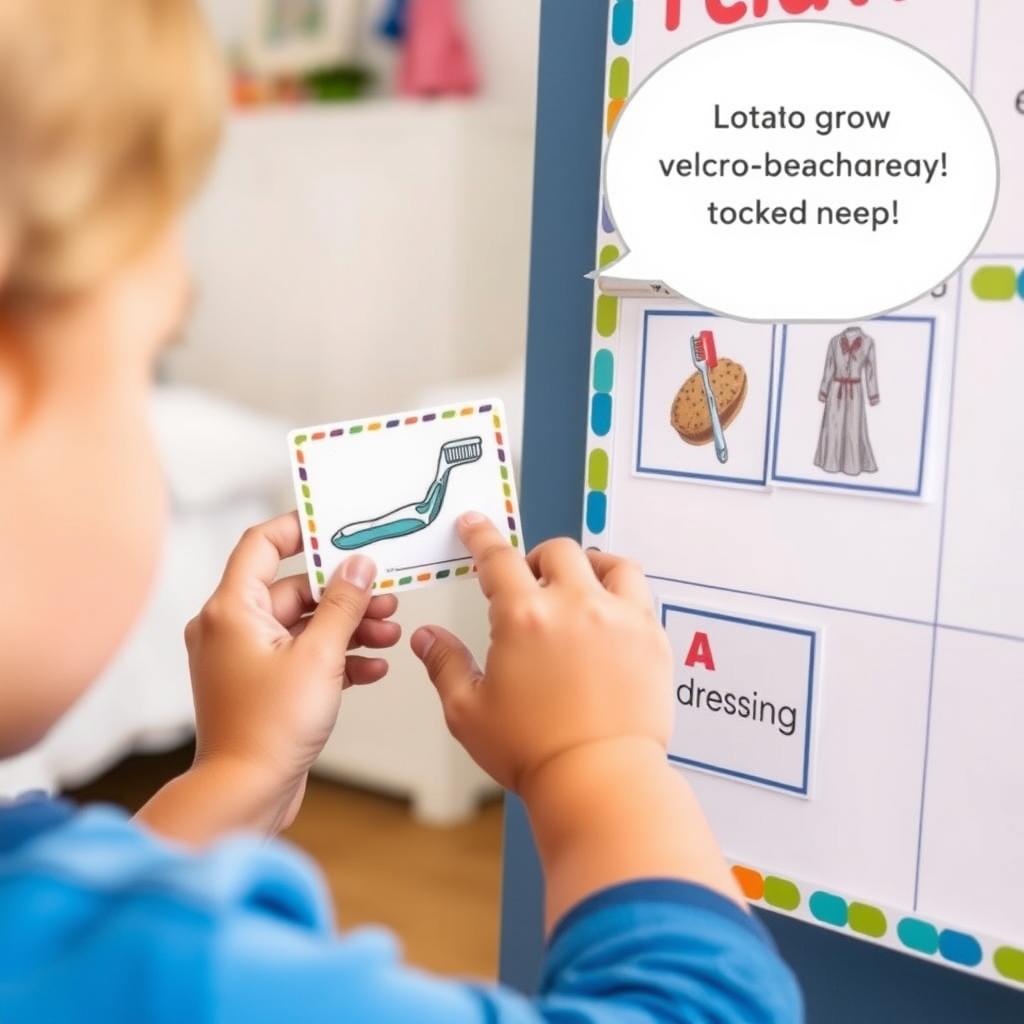
Make It Interactive: Add Velcro strips or checkboxes so kids can mark completed tasks. This builds a sense of accomplishment. My cousin’s son loves moving his 'done' stickers to a reward chart.
-
Keep It Simple: Don’t overwhelm with too many tasks. Start with 3-5 steps and expand as your child gets comfortable.
-
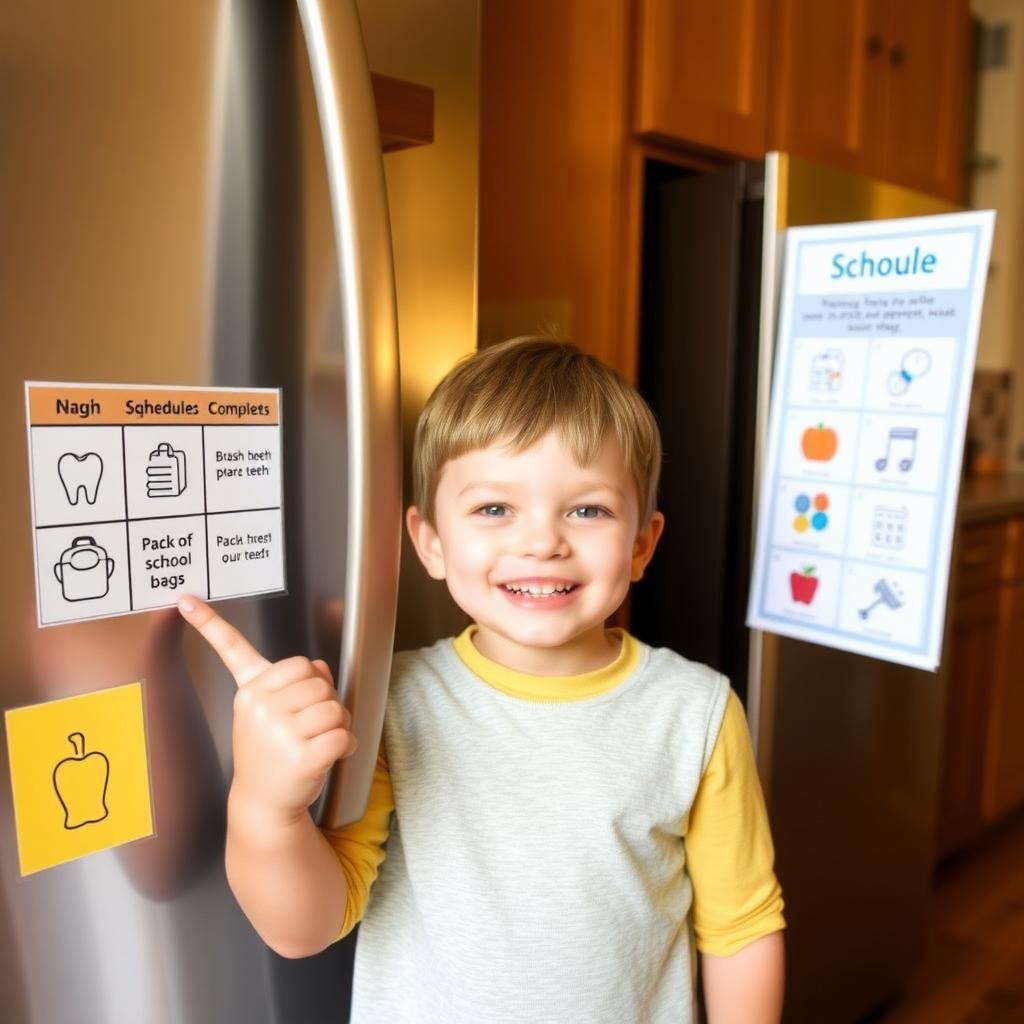
Practice Consistency: Place the schedule in a visible spot, like the fridge or bedroom door, and review it daily. Consistency reinforces the routine.
-
Adapt as Needed: Kids grow, and so do their needs. Update the schedule to reflect new tasks or changes in routine.
Tools and Materials
You don’t need a big budget to create a visual schedule. Here’s a quick table of affordable options:
| Material | Description | Where to Find |
|---|---|---|
| Laminated Sheets | Durable for repeated use | Office supply stores |
| Velcro Strips | For movable icons | Craft stores or online |
| Picture Cards | Pre-made or DIY visuals | Etsy or free printables online |
| Whiteboard | Erasable for flexibility | Dollar stores |
Free resources, like printable icons from Understood.org, can also save time. If you’re crafty, draw your own icons or take photos of your child doing tasks for a personal touch.
Incorporating Applied Behavior Analysis
Applied Behavior Analysis (ABA) is a cornerstone of behavioral therapy for kids with special needs. It focuses on reinforcing positive behaviors through clear cues and rewards. Visual schedules fit perfectly into ABA because they provide structure and predictability, key elements for reducing anxiety and encouraging compliance.
For instance, ABA therapists often use visual schedules to teach task sequencing. When my nephew started ABA therapy, his therapist paired the schedule with small rewards, like a favorite toy after completing his morning routine. Over time, he internalized the routine without needing rewards. Understood.org notes that this approach helps kids generalize skills across settings, like home and school.
Tips for Success
Here are some practical tips to make visual schedules work:
- Involve Your Child: Let them pick colors or stickers for the schedule. This builds ownership.
- Start Small: Focus on one part of the day, like mornings, before expanding.
- Be Patient: It might take weeks for your child to adjust. Celebrate small wins.
- Collaborate with Teachers: Share the schedule with your child’s school to maintain consistency.
- Use Positive Reinforcement: Praise or small rewards can motivate kids to follow the schedule.
I remember how proud my nephew was when he completed his schedule for the first time. His smile was worth every minute spent making those picture cards.
Common Challenges and Solutions
Creating visual schedules isn’t always smooth. Here are common hurdles and how to tackle them:
- Resistance to Change: Some kids resist new routines. Introduce the schedule gradually, pairing it with familiar activities.
- Overwhelm: Too many tasks can confuse kids. Simplify the schedule and add tasks slowly.
- Lack of Engagement: If your child ignores the schedule, make it more interactive with colors or rewards.
Understood.org suggests checking in with your child’s therapist for tailored advice, especially if you’re using ABA strategies. External resources, like the Autism Speaks Visual Supports Tool Kit, can also offer ideas.
Summary
Visual schedules are game-changers for children with special needs, offering clarity and fostering independence. By following Creating Visual Schedules for Children with Special Needs - Understood.org and incorporating Applied Behavior Analysis strategies for parents, families can create tools that ease transitions and reduce stress. With patience and creativity, you’ll see your child thrive.

Discuss Here