Overview: Understanding FPIES and Dietary Needs
Food Protein-Induced Enterocolitis Syndrome (FPIES) is a rare food allergy that affects the digestive system, often in young children. Unlike typical allergies, FPIES reactions can be severe, causing vomiting, diarrhea, and dehydration. Proper dietary management for FPIES is critical to prevent Acute FPIES episodes and ensure a child’s healthy growth. This guide shares practical strategies, personal insights, and expert advice to help families thrive.
What Is FPIES and Why Diet Matters
FPIES is a non-IgE-mediated food allergy, meaning it doesn’t involve the immune system’s typical allergic response. Instead, it triggers intense gastrointestinal symptoms, often hours after eating a trigger food. Common triggers include cow’s milk, soy, grains like rice or oats, and even seemingly safe foods like chicken or sweet potatoes. Acute FPIES episodes can be frightening, with symptoms like profuse vomiting or lethargy requiring urgent care.
Dietary management for FPIES is the cornerstone of treatment. By identifying and avoiding trigger foods, families can prevent reactions and support their child’s nutrition. But it’s not just about avoidance—careful planning ensures kids get the nutrients they need to grow strong, despite dietary restrictions.
Identifying Trigger Foods: The First Step
The first challenge in managing FPIES is pinpointing trigger foods. Every child’s triggers are unique, which makes this process both critical and complex. Doctors often recommend an elimination diet, where common trigger foods are removed, and new foods are introduced one at a time.
Here’s how to start: - Keep a Food Diary: Track everything your child eats and any symptoms that follow. Note the timing, as FPIES reactions can occur 1-4 hours after eating. - Work with a Specialist: A pediatric allergist or gastroenterologist can guide testing and elimination diets. They may suggest bloodwork or stool tests to rule out other conditions. - Introduce Foods Slowly: Try one new food every 7-10 days, starting with low-risk options like apples or zucchini.
Personal Insight: When my nephew was diagnosed with FPIES, we spent months tracking his meals. Rice, which we thought was safe, caused a scary reaction. The food diary was a lifesaver in spotting patterns.

Building a Safe and Balanced Diet
Once trigger foods are identified, the focus shifts to creating a diet that’s both safe and nutritious. FPIES can limit food options, so planning is key to avoiding deficiencies. Here are some strategies:
Safe Food Choices
Low-risk foods for FPIES vary but often include: - Fruits: Apples, pears, berries (if tolerated) - Vegetables: Zucchini, carrots, green beans - Proteins: Quinoa, lamb, or pork (if not triggers) - Grains: Millet or buckwheat (if tolerated)
Always verify safe foods with your doctor, as triggers differ.
Nutritional Balance
Children with FPIES need adequate protein, fats, and carbohydrates. If dairy or grains are triggers, consider alternatives like: - Plant-based milks: Hemp or coconut milk (if safe) - Fortified foods: Cereals or supplements for calcium and vitamin D
Sample Meal Plan
| Meal | Food Options |
|---|---|
| Breakfast | Quinoa porridge with mashed banana |
| Lunch | Pureed carrot soup with lamb meatballs |
| Snack | Apple slices with sunflower seed butter |
| Dinner | Steamed zucchini with buckwheat noodles |
Personal Insight: Meal planning felt overwhelming at first, but batch-cooking safe foods saved us time. We’d make big pots of veggie purees and freeze them in small portions.
Managing Acute FPIES Episodes
Acute FPIES reactions are intense and require quick action. Symptoms like severe vomiting or pale skin can escalate fast, sometimes leading to dehydration. Here’s what to do: - Stay Calm: Panicking makes it harder to help your child. - Hydrate: Offer small sips of water or an oral rehydration solution like Pedialyte. - Seek Medical Help: If symptoms persist or worsen, head to the ER. IV fluids may be needed.
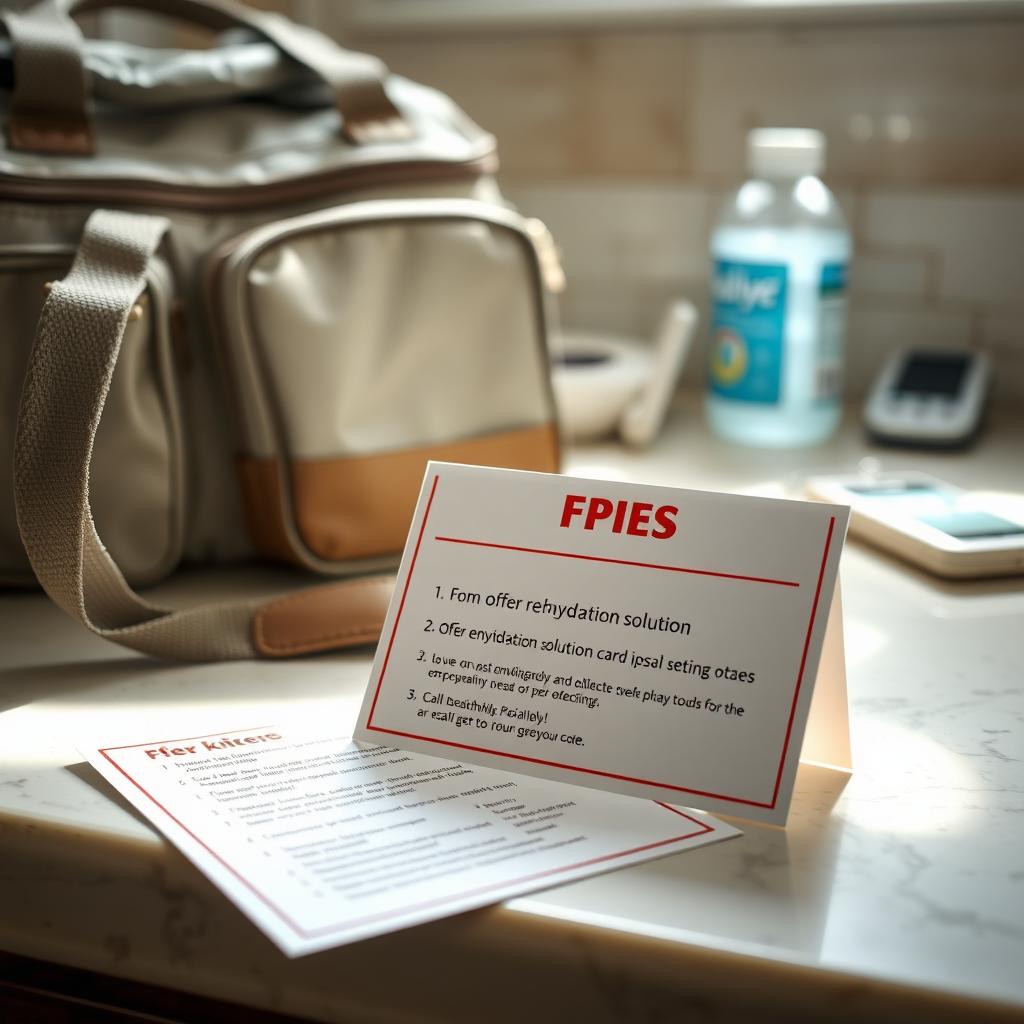
Having an emergency plan is essential. Work with your doctor to create one, including a letter explaining FPIES for healthcare providers. Personal Insight: We kept a laminated card with emergency instructions in our diaper bag—it gave us peace of mind.
Navigating Social and Emotional Challenges
FPIES doesn’t just affect diet—it impacts family life. Birthday parties, daycare, and family dinners can feel like minefields. Here’s how to cope: - Educate Others: Share simple explanations of FPIES with teachers, relatives, and friends. - Pack Safe Foods: Bring your child’s meals to events to avoid accidental exposures. - Find Support: Online communities, like those on the FPIES Foundation website, connect families for tips and encouragement.
Personal Insight: I felt isolated when we couldn’t join friends for pizza nights. Joining an FPIES support group online helped me feel less alone and gave me practical ideas.
Long-Term Outlook: Growing Out of FPIES
Many children outgrow FPIES by age 3-5, but some carry it into later childhood. Regular check-ins with an allergist can track progress. Food challenges—done under medical supervision—test if triggers are still reactive. Even after outgrowing FPIES, careful food reintroduction is key to avoid setbacks.
Personal Insight: My nephew outgrew his rice trigger at age 4, but we still introduce new foods cautiously. Celebrating small wins, like his first bite of oatmeal, felt huge.
Summary: Thriving with FPIES
Dietary management for FPIES is a journey of patience and planning. By identifying triggers, building a balanced diet, and preparing for emergencies, families can help their children thrive. Connect with specialists and support groups to make the process easier. With time, many kids outgrow FPIES, opening the door to a wider world of foods.

Discuss Here