Overview
Artificial Intelligence (AI) is changing the way we learn and teach. From personalized lesson plans to automated grading, AI in Education: Opportunities and Challenges highlights a new era of possibilities. However, it also brings concerns like fairness, data privacy, and the emotional toll of over-reliance on technology. This article explores how AI can empower education while tackling its challenges.
The Promise of AI in Education
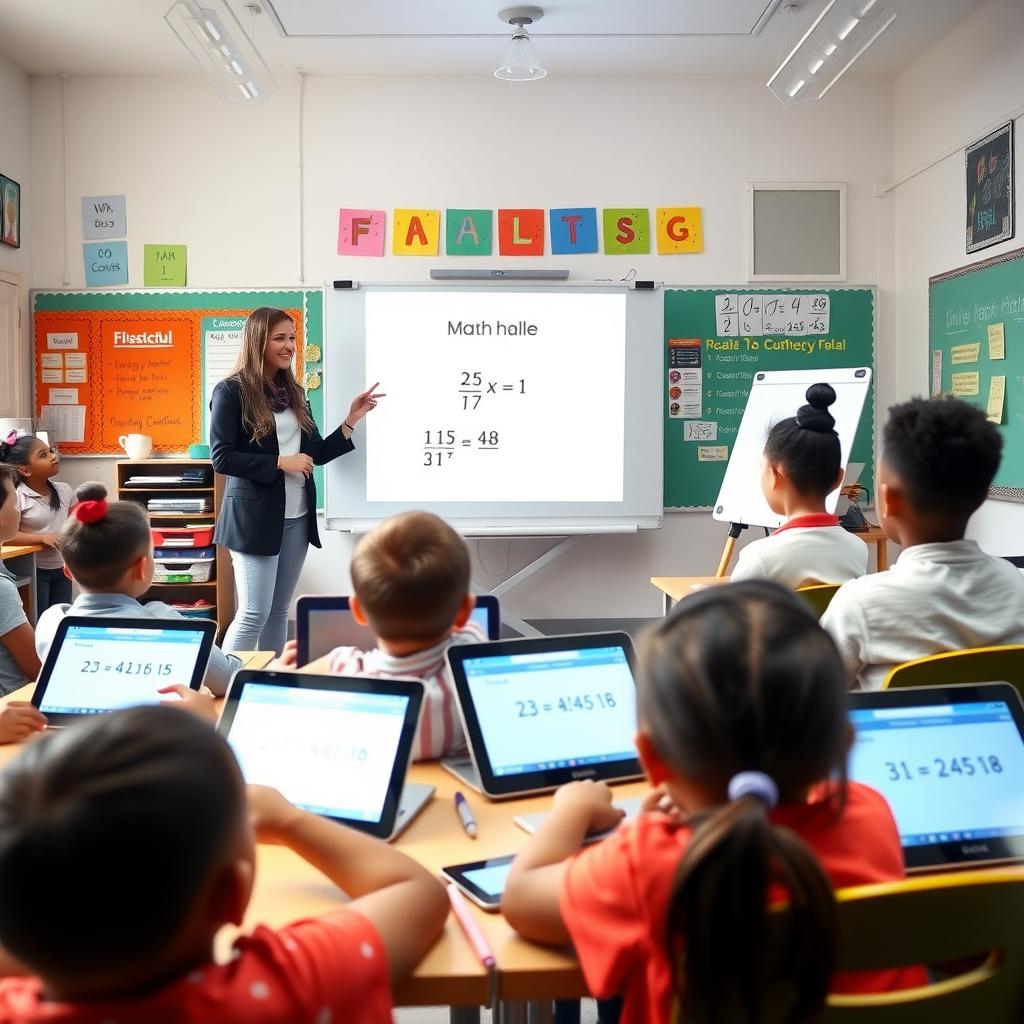
AI is reshaping classrooms by making learning more personal and efficient. Imagine a student struggling with math. An AI-powered tool can analyze their mistakes, suggest tailored exercises, and track progress in real time. These AI Innovations Transforming Industries are not just for tech companies—they’re making education more accessible.
For example, platforms like adaptive learning systems adjust content to match a student’s pace. A 2023 study from Stanford University found that students using AI-driven tutoring improved their test scores by 15% compared to traditional methods. Teachers also benefit. AI can grade assignments, freeing up time for lesson planning or one-on-one student support.
Personalizing Learning for Every Student
Every student learns differently. Some grasp concepts quickly, while others need more practice. AI makes it possible to customize education for each learner. Tools like intelligent tutoring systems analyze a student’s strengths and weaknesses, offering exercises that match their skill level.
For instance, a student who struggles with reading comprehension might use an AI tool that breaks down complex texts into simpler summaries. This not only builds confidence but also keeps students engaged. However, personalization isn’t perfect. Over-reliance on AI could make students feel isolated if human interaction takes a backseat.
Streamlining Administrative Tasks
Teachers spend hours on tasks like grading, scheduling, and attendance tracking. AI can handle these repetitive jobs, letting educators focus on teaching. For example, automated grading systems can score multiple-choice tests in seconds and even provide feedback on essays. A report from EdTech Magazine notes that teachers using AI tools saved an average of 10 hours per week on administrative work.
This efficiency is a game-changer for overworked educators. Yet, there’s a catch. AI grading systems might miss the nuance of creative answers, potentially undervaluing unique perspectives.
Challenges of AI in Education
While AI offers exciting opportunities, it also raises serious challenges. One major concern is equity. Not every school has the budget for AI tools, creating a gap between wealthy and underfunded districts. Students in low-income areas might miss out on the benefits of AI-driven learning, widening existing inequalities.
Another issue is data privacy. AI systems collect vast amounts of student data to function effectively. Without strong safeguards, this information could be misused. A 2024 report from Common Sense Media highlighted that 60% of parents worry about how schools handle student data in AI platforms.

The Psychological Impact of AI in Education
AI’s role in education isn’t just about technology—it affects students emotionally, too. Overusing AI tools might make students feel detached from their teachers or peers. For example, excessive screen time with AI tutors could mimic the isolation linked to The Psychological Impact of Chronic Vomiting, where repetitive, draining experiences lead to emotional strain. Just as chronic vomiting and weight loss concerns signal deeper health issues, over-reliance on AI might signal a need for more human connection in learning.
Students might also feel pressure to perform perfectly when AI tracks every mistake. This could lead to anxiety, especially for those already struggling. Educators must balance AI’s benefits with fostering real-world interactions to support mental health.
Ethical Considerations
AI in education raises ethical questions. Who decides what content AI prioritizes? If an AI tutor emphasizes certain topics or perspectives, it could unintentionally bias students. For instance, an AI trained on outdated or skewed data might reinforce stereotypes.
There’s also the risk of replacing teachers entirely. While AI can assist, it can’t replicate the empathy and creativity of a human educator. Schools must ensure AI supports teachers, not supplants them. A balanced approach keeps education human-centered.
Practical Tips for Implementing AI in Education
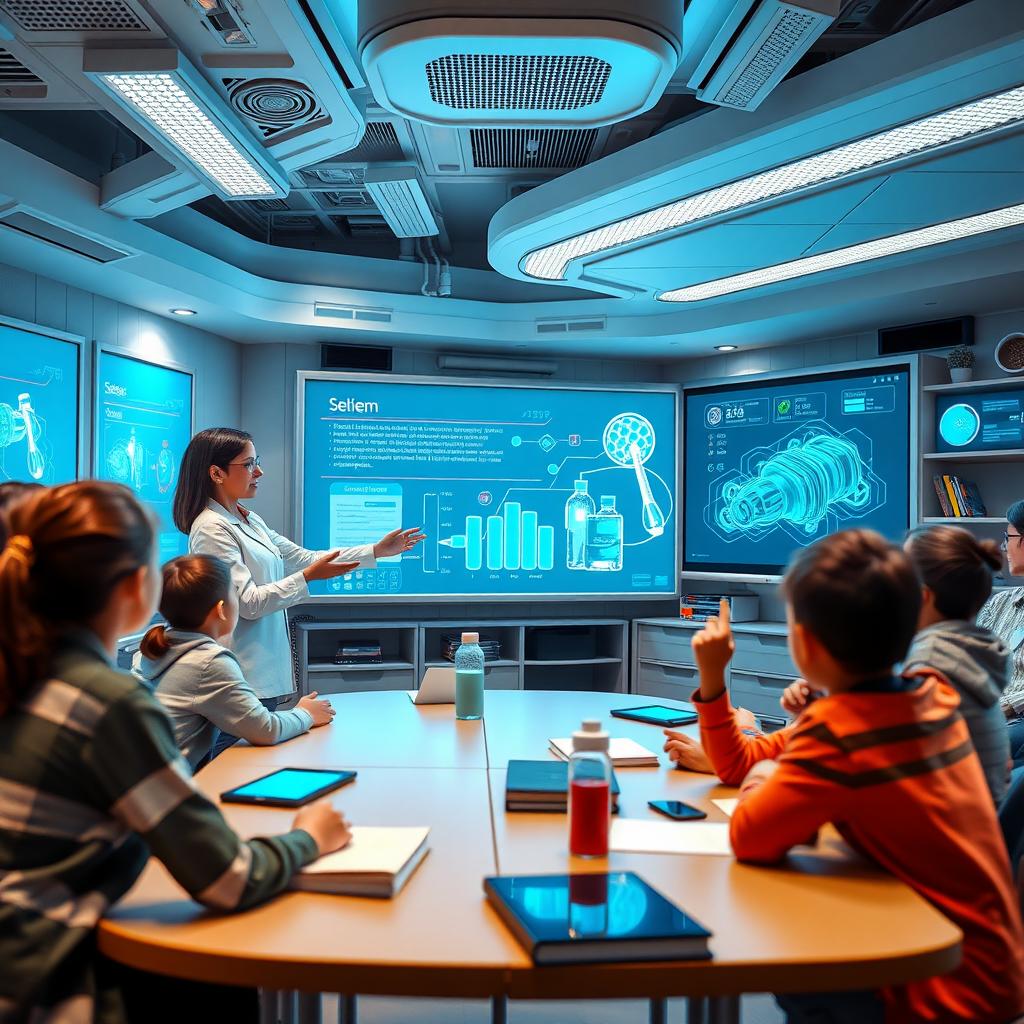
To make the most of AI, schools can follow these steps:
- Start Small: Test AI tools in one subject or grade level before full adoption.
- Train Teachers: Provide professional development to help educators use AI effectively.
- Prioritize Privacy: Choose platforms with clear data protection policies.
- Engage Students: Involve students in choosing AI tools to ensure they meet their needs.
- Monitor Impact: Regularly assess how AI affects learning outcomes and student well-being.
These steps help schools integrate AI thoughtfully, avoiding pitfalls like inequity or ethical missteps.
Looking Ahead
AI in education is still evolving. As AI Innovations Transforming Industries continue to grow, so will their impact on classrooms. The key is to use AI as a tool, not a replacement for human connection. By addressing challenges like privacy, equity, and emotional well-being, schools can harness AI’s potential to create a brighter future for learning.
Summary
AI in Education: Opportunities and Challenges shows a world of possibilities—from personalized learning to streamlined teaching. But it’s not without hurdles. Equity, privacy, and emotional health must guide AI’s use in schools. By balancing innovation with care, educators can create a learning environment that empowers every student.

Discuss Here