Overview: Navigating Nutrition with Chronic FPIES
Chronic Food Protein-Induced Enterocolitis Syndrome (FPIES) is a rare but serious food allergy that affects the digestive system. For those living with Chronic FPIES, ensuring proper nutrition while avoiding trigger foods can feel like a daily puzzle. This guide dives into Understanding Nutritional Needs in Chronic FPIES, offering practical strategies, meal planning ideas, and personal insights to help families thrive.
What is Chronic FPIES?
Chronic FPIES is a non-IgE-mediated food allergy, meaning it doesn’t cause typical allergic reactions like hives or anaphylaxis. Instead, it leads to severe gastrointestinal symptoms, such as vomiting, diarrhea, and dehydration, often hours after consuming trigger foods. Common triggers include milk, soy, grains, and certain proteins. Unlike acute FPIES, which occurs sporadically, Chronic FPIES involves persistent symptoms when trigger foods are regularly consumed.
For parents or caregivers, the challenge lies in identifying safe foods while ensuring a balanced diet. Children with Chronic FPIES are particularly vulnerable to nutritional deficiencies due to restricted diets, making Understanding Nutritional Needs in Chronic FPIES critical.
The Nutritional Challenge
When entire food groups are off-limits, getting enough calories, protein, and micronutrients becomes a hurdle. For example, dairy is a common trigger, which can limit calcium and vitamin D intake. Grains, another frequent culprit, are a primary source of carbohydrates and fiber. Without careful planning, children with Chronic FPIES may face growth delays or nutrient gaps.
I’ve spoken with families who describe the frustration of watching their child refuse new foods after repeated reactions. One parent shared, “It’s like walking a tightrope—balancing what’s safe with what’s nourishing.” This sentiment is common, but with the right approach, it’s possible to create a diet that’s both safe and complete.
Building a Balanced Diet
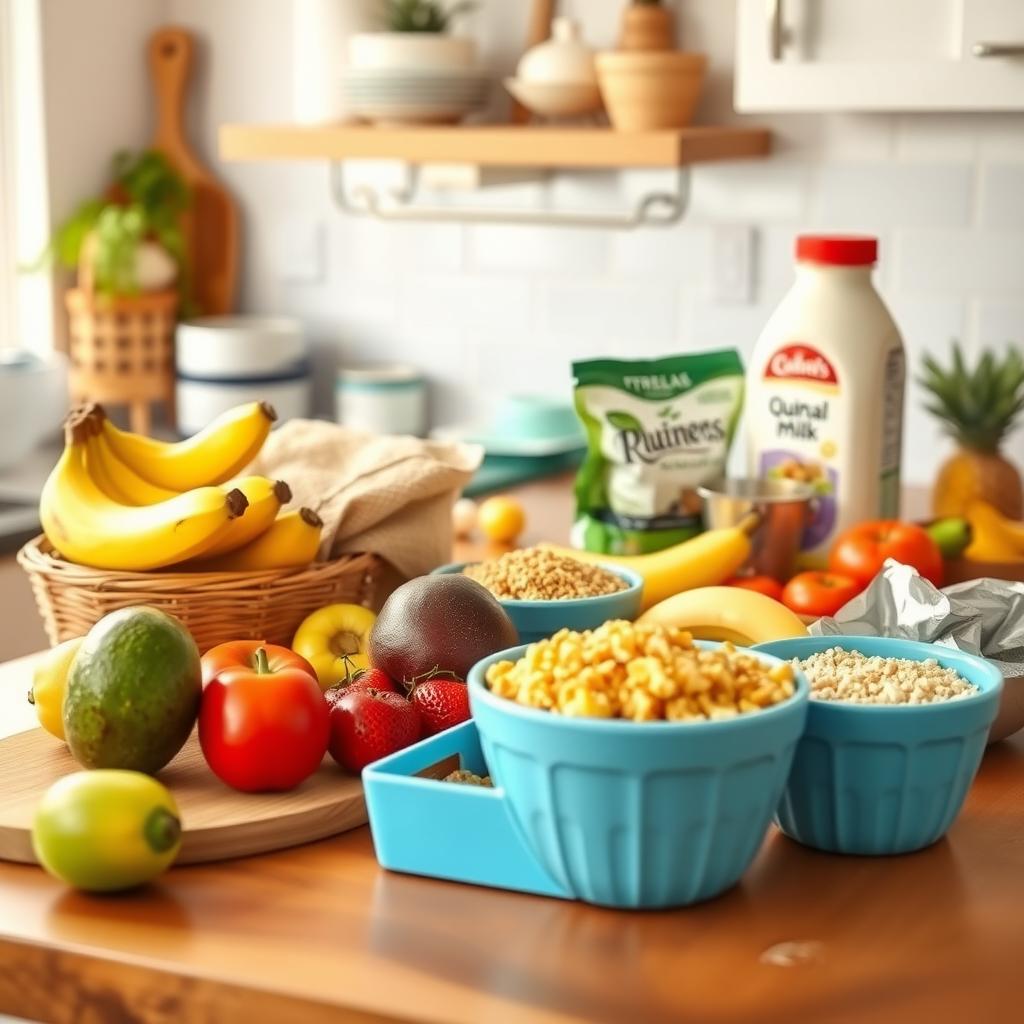
Creating a diet for Chronic FPIES starts with identifying safe foods through careful testing, often under medical supervision. A food diary is invaluable here—tracking what’s eaten and any symptoms that follow. Once safe foods are identified, the goal is to build meals that meet nutritional needs.
Key Nutrients to Focus On
| Nutrient | Why It’s Important | Safe Sources for FPIES |
|---|---|---|
| Protein | Supports growth and repair | Safe meats (e.g., turkey), legumes (if tolerated) |
| Calcium | Essential for strong bones | Fortified rice milk, leafy greens (if safe) |
| Vitamin D | Aids calcium absorption | Fortified non-dairy milks, safe fish |
| Carbohydrates | Provides energy | Quinoa, rice, sweet potatoes |
| Fats | Supports brain development | Avocado, olive oil, coconut milk |
Work with a dietitian familiar with Chronic Food Allergy to tailor a plan. They can recommend supplements if needed, like vitamin D drops or hypoallergenic formulas.
Crafting Chronic Food Allergy Recipes and Meal Plans
Meal planning for Chronic FPIES requires creativity and flexibility. Here’s a sample chronic food allergy recipes and meal plans approach for a day:
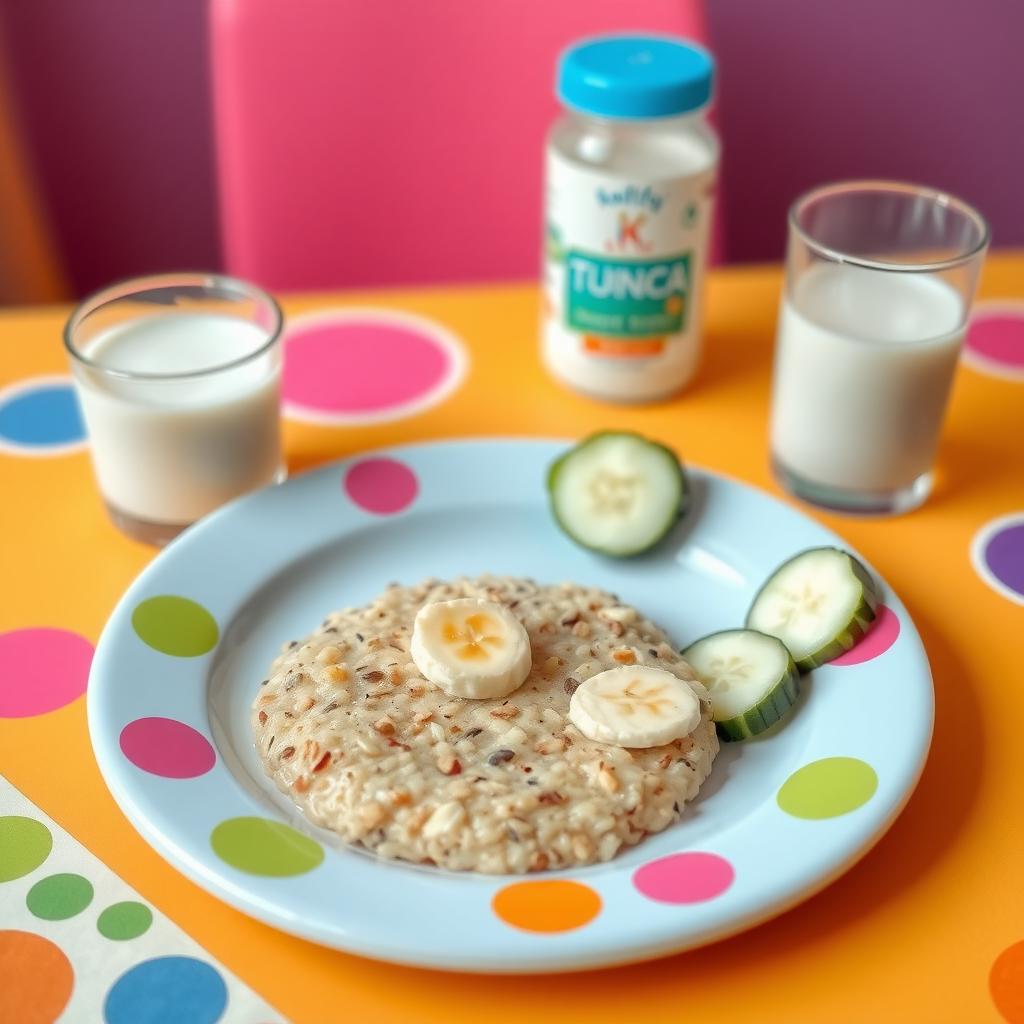
- Breakfast: Quinoa porridge with mashed banana and a splash of fortified rice milk.
- Lunch: Baked sweet potato with shredded turkey and avocado puree.
- Snack: Sliced cucumber with a hypoallergenic hummus (if legumes are safe).
- Dinner: Rice-based pasta with olive oil and steamed carrots.
These meals are simple, nutrient-dense, and avoid common triggers. Always introduce new foods one at a time to monitor reactions. One family I know found success by turning meal prep into a game, letting their child help choose safe ingredients to make it fun.
Practical Tips for Families
- Batch Cook Safe Foods: Prepare large portions of safe staples like rice or quinoa to save time.
- Read Labels Carefully: Even “safe” foods can contain hidden triggers like soy lecithin.
- Involve Your Child: Letting kids help in the kitchen builds confidence and reduces food anxiety.
- Connect with Support Groups: Online communities, like those on FPIES Foundation, offer recipes and emotional support.
- Work with Specialists: A pediatric allergist and dietitian can guide food trials and monitor growth.
One mother shared, “Joining a support group was a game-changer. I learned recipes I’d never have thought of, like rice milk smoothies.” These connections remind families they’re not alone.
Emotional and Social Considerations
Living with Chronic FPIES isn’t just about food—it’s about managing stress and social challenges. Birthday parties, school lunches, and family gatherings can feel daunting when food is a risk. Packing safe snacks and educating others about the condition helps. I’ve seen families create “allergy cards” explaining FPIES to teachers or hosts, which reduces misunderstandings.
It’s also okay to feel overwhelmed. One caregiver told me, “I cried the first time we got a safe meal plan working. It felt like a win.” Celebrate small victories—they add up.

Monitoring and Adjusting
Nutritional needs evolve as children grow, so regular check-ins with healthcare providers are essential. Blood tests can reveal deficiencies, and growth charts help track progress. If new symptoms arise, revisit the food diary to pinpoint triggers. Flexibility is key—safe foods today may not be safe tomorrow.
For adults with Chronic FPIES, the principles are similar but may involve more complex meal planning to meet higher caloric needs. A dietitian can help adjust portions and variety.
Summary: Thriving with Chronic FPIES
Understanding Nutritional Needs in Chronic FPIES is about more than avoiding triggers—it’s about building a sustainable, nourishing diet that supports health and happiness. With careful planning, creative recipes, and a strong support network, families can navigate this challenging condition. Consult specialists, connect with others, and keep experimenting with safe foods to create a diet that works.

Discuss Here