Overview
In today's fast-paced world, anxiety affects millions. This guide explores meditation techniques to reduce anxiety, offering practical steps and insights. From mindfulness to Tai Chi, learn methods that foster calm and family wellness.
Anxiety can sneak up on you. It shows up as racing thoughts, tight muscles, or sleepless nights. But you can fight back with simple tools. Meditation stands out as a powerful way to ease these feelings.
I remember my first brush with anxiety during a tough work period. My mind wouldn't quiet down. That's when I turned to meditation. It changed everything for me.
Understanding Anxiety
Anxiety is your body's response to stress. It helps in short bursts but wears you down when constant. Common signs include worry, restlessness, and fatigue.
Statistics show over 40 million adults in the U.S. deal with anxiety disorders. It's the most common mental health issue. But good news: meditation can help manage it.
Research backs this up. For instance, mindfulness meditation has been shown to lower anxiety levels effectively.
According to Harvard Health Publishing, mindfulness meditation may ease anxiety and mental stress. Their review highlights how regular practice rewires the brain for better emotional control.
Key Meditation Techniques to Reduce Anxiety
Let's dive into specific methods. Start small, maybe five minutes a day, and build from there.
- Mindfulness Meditation: Focus on your breath. Notice thoughts without judging them. Let them pass like clouds in the sky.
Sit comfortably. Close your eyes. Breathe in deeply through your nose, out through your mouth. If your mind wanders, gently bring it back.
This technique grounds you in the present. It breaks the cycle of worry about future events.
- Body Scan Meditation: Lie down or sit. Start from your toes and move up. Notice any tension and release it with each exhale.
This helps you connect with your body. Often, anxiety hides in physical tightness. Releasing it brings relief.
- Guided Imagery: Picture a peaceful place. Use all your senses to make it real. A beach with waves crashing, or a quiet forest.
Apps or online videos can guide you. It's like a mental vacation from stress.
The National Center for Complementary and Integrative Health notes that meditation and mindfulness practices are effective and safe for reducing anxiety. Their overview emphasizes low-risk benefits.

Integrating Meditation into Daily Life
Make it a habit. Set a timer on your phone. Pair it with morning coffee or bedtime routine.
I started with just breathing exercises during commutes. It turned stressful drives into moments of peace.
Track your progress. Note how you feel before and after sessions. Over time, you'll see less anxiety creeping in.
The Benefits of Tai Chi for Stress Reduction
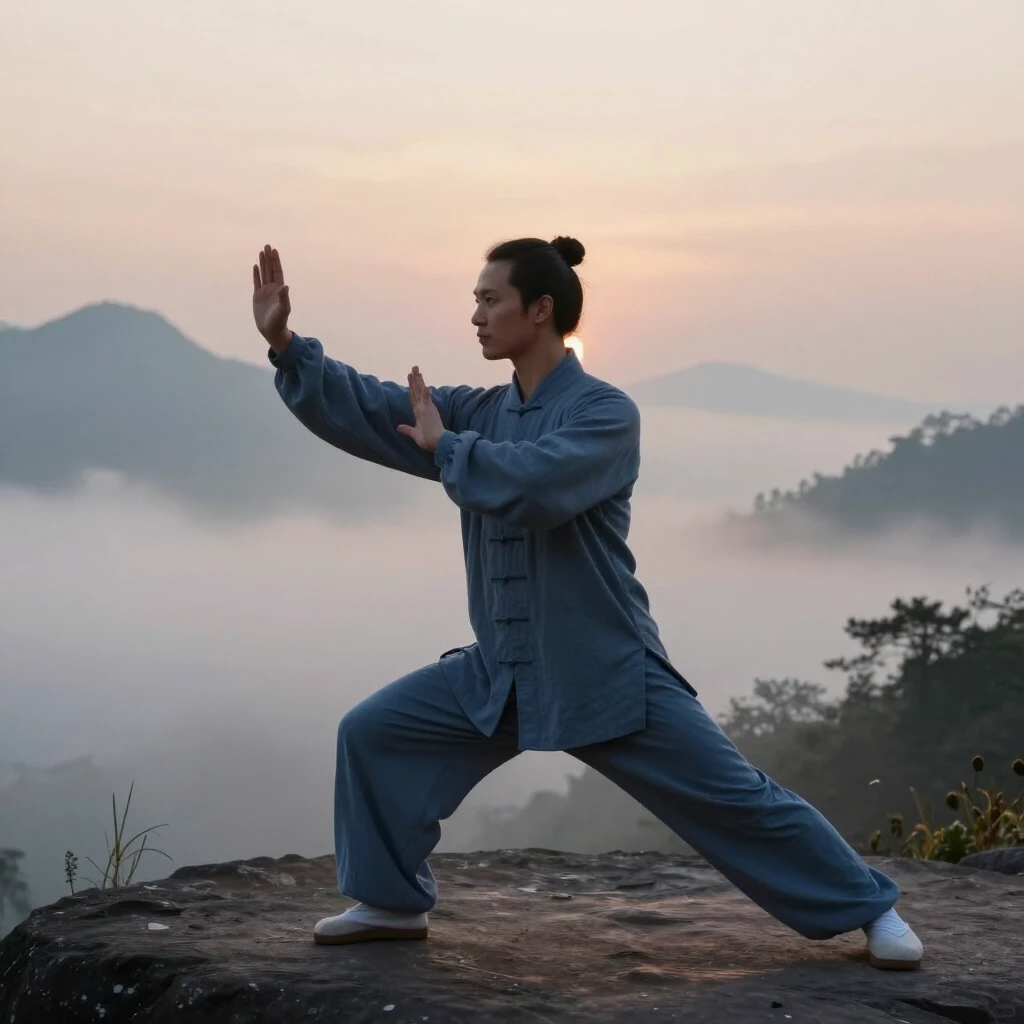
Tai Chi offers a moving meditation alternative. This ancient Chinese practice combines slow movements with deep breathing.
It reduces stress by promoting relaxation and focus. Regular practice lowers cortisol levels, your body's stress hormone.
Harvard Health explains the health benefits of Tai Chi, including improved balance and reduced anxiety through gentle exercise.
Unlike high-intensity workouts, Tai Chi is gentle on joints. Anyone can try it, regardless of age or fitness level.
Tai Chi for Family Wellness and Longevity
Bring your loved ones in. Tai Chi for family wellness and longevity builds stronger bonds while boosting health.
Practice together in the backyard. It teaches kids patience and adults presence. Families report better communication and less household stress.
Studies show Tai Chi enhances overall well-being. It supports heart health, flexibility, and mental clarity, contributing to longer, healthier lives.
One review from the National Institutes of Health discusses how Tai Chi and Qigong help treat and prevent mental disorders, including stress and anxiety reduction.
Imagine ending family dinners with a short Tai Chi session. It becomes a ritual that strengthens ties and promotes wellness.

Combining Techniques for Best Results
Mix meditation and Tai Chi. Start your day with seated meditation, end with Tai Chi movements.
This combo addresses mind and body. You'll feel more balanced and resilient against anxiety triggers.
Listen to your body. If one method feels better, stick with it. Consistency matters more than perfection.
Personal Insights from Practice
In my experience, meditation transformed my anxiety management. What started as a desperate try became a lifelong tool.
I once faced a major life change. Anxiety peaked. Daily mindfulness sessions helped me navigate it with grace.
For families, introducing Tai Chi created shared moments. We laughed through clumsy moves but grew closer.
Remember, it's okay to start slow. Every breath counts toward a calmer you.
Overcoming Common Challenges
Newbies often struggle with wandering minds. That's normal. Gently redirect focus without self-criticism.
Time constraints? Even two minutes help. Squeeze in during breaks or waiting times.
If anxiety feels overwhelming, combine with professional help. Meditation complements therapy, not replaces it.
Here's a quick table of techniques and their benefits:
| Technique | Key Benefit | Time Needed |
|---|---|---|
| Mindfulness Meditation | Reduces racing thoughts | 5-10 mins |
| Body Scan | Releases physical tension | 10-15 mins |
| Guided Imagery | Provides mental escape | 5-10 mins |
| Tai Chi | Improves stress reduction through movement | 15-20 mins |
Long-Term Effects
Over months, you'll notice deeper changes. Better sleep, improved mood, stronger relationships.
Family wellness thrives when everyone practices. Tai Chi for family wellness and longevity fosters habits that last generations.
Science supports longevity links. Reduced stress means lower risks for chronic diseases.
Stay committed. The rewards compound over time.
Summary
Meditation techniques to reduce anxiety offer accessible paths to peace. From mindfulness to Tai Chi, these practices ease stress and enhance family wellness. Start today for a calmer tomorrow. For more, explore Meditation Techniques to Reduce Anxiety.

Discuss Here