Overview
An active lifestyle boosts your chances of living longer and healthier. Science shows that regular physical activity reduces death risk by 20-30%. This article explains the links between active lifestyle and longevity, with tips to get started.
Have you ever wondered why some people seem to age gracefully, full of energy well into their later years? It often comes down to one key habit: staying active. In this guide on Active Lifestyle and Longevity: The Science Explained, we'll dive into how movement keeps you going strong.
I remember my grandfather, who walked every morning until he was 92. He swore by it, and research backs him up. Let's break down the facts.
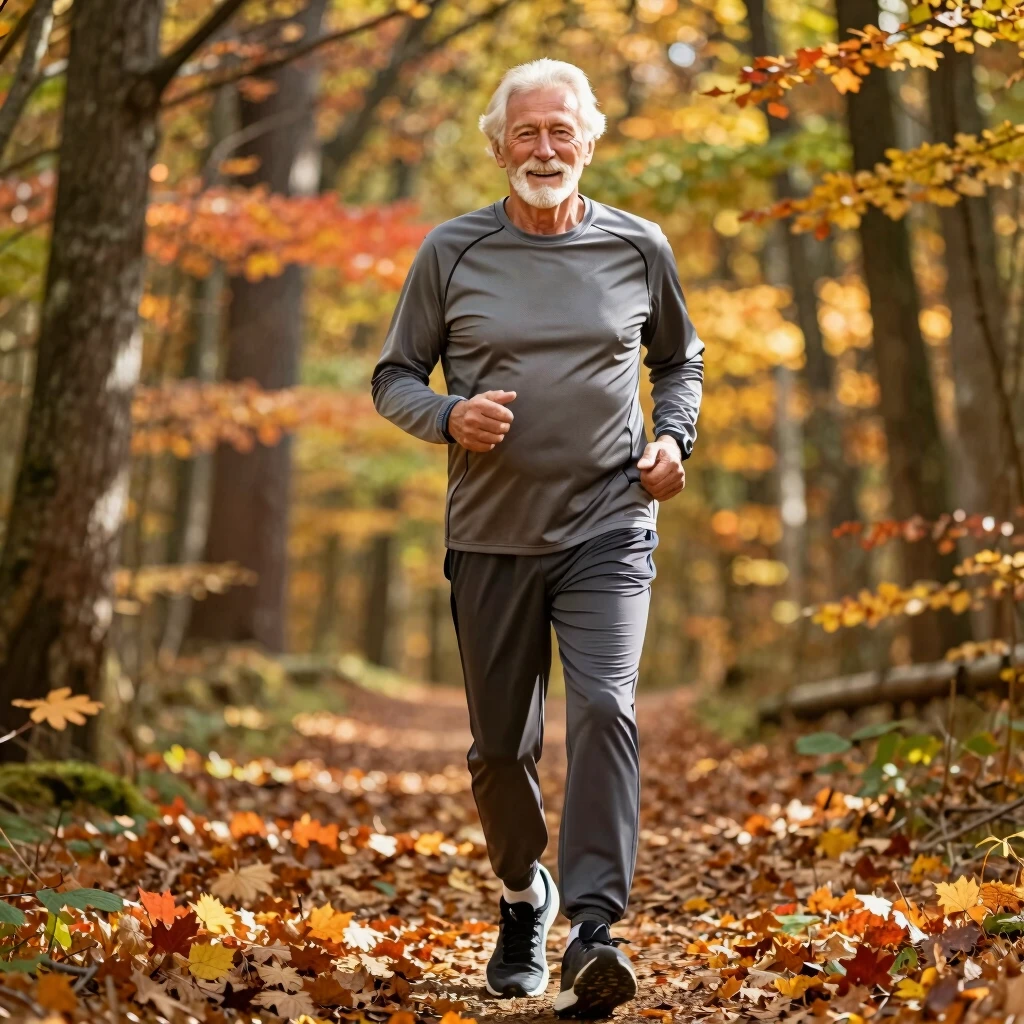
What Does an Active Lifestyle Mean?
An active lifestyle means you move your body often. It includes walking, gardening, or playing sports. You don't need a gym membership to start. Simple changes, like taking stairs instead of elevators, count.
The World Health Organization says adults should aim for at least 150 minutes of moderate activity each week. That's about 20 minutes a day. Kids need more, around 60 minutes daily.
Why does this matter for longevity? Studies show active people live longer. For example, a review from the National Institutes of Health found that fit individuals have a 20-35% lower risk of early death compared to inactive ones. Link to NIH study
The Science Behind Active Lifestyle and Longevity
Exercise affects your body at a cellular level. It strengthens your heart, improves blood flow, and reduces inflammation. These changes fight diseases like heart problems and diabetes, which shorten life.
A massive study from the American Medical Association revealed that exercising two to four times the recommended amount lowers death risk even more. Vigorous activities, like running, offer big benefits.
But it's not just about intensity. Consistency matters. Twins studies show that even moderate activity extends life. One twin who exercised lived longer than the sedentary one.
Endurance sports like cycling or swimming seem to add more years than power sports like weightlifting alone. Mix them for best results.
From my experience, I started running in my 30s after feeling sluggish. Now, at 45, I feel sharper and sleep better. Science agrees: activity boosts brain health, cutting dementia risk.
Benefits of Staying Active
Beyond adding years, an active lifestyle improves quality of life. You gain energy, better mood, and stronger muscles. It helps control weight and builds bone density, preventing falls in old age.
Mental perks are huge. Exercise releases endorphins, fighting stress and depression. People who move regularly report higher happiness levels.
For older adults, staying active after 60 is key. A Psychology Today article notes it sharply increases odds of a longer, healthier life.
Physical Activity Programs for All Ages
Physical activity programs come in many forms. Walking groups, yoga classes, or home workouts all work. The key is finding what you enjoy.
For longevity, combine cardio, strength, and flexibility. Cardio like brisk walking builds heart health. Strength training preserves muscle. Flexibility prevents injuries.
Experts recommend:
- Cardio: 150 minutes moderate or 75 minutes vigorous weekly.
- Strength: Two days a week, all major muscles.
- Balance: Especially for seniors, like tai chi.
AARP lists top exercises for longevity, including walking, swimming, and pickleball. These are fun and social, boosting mental health too.
Designing an Effective Family Exercise Plan
Getting the whole family involved makes activity stick. Designing an Effective Family Exercise Plan starts with fun. Set goals together, like a weekly hike.
Start slow. If your family sits a lot, begin with 10-minute walks. Build up to longer sessions.
Make it enjoyable. Play games like tag or dance to music. Limit screen time to free up hours for movement.
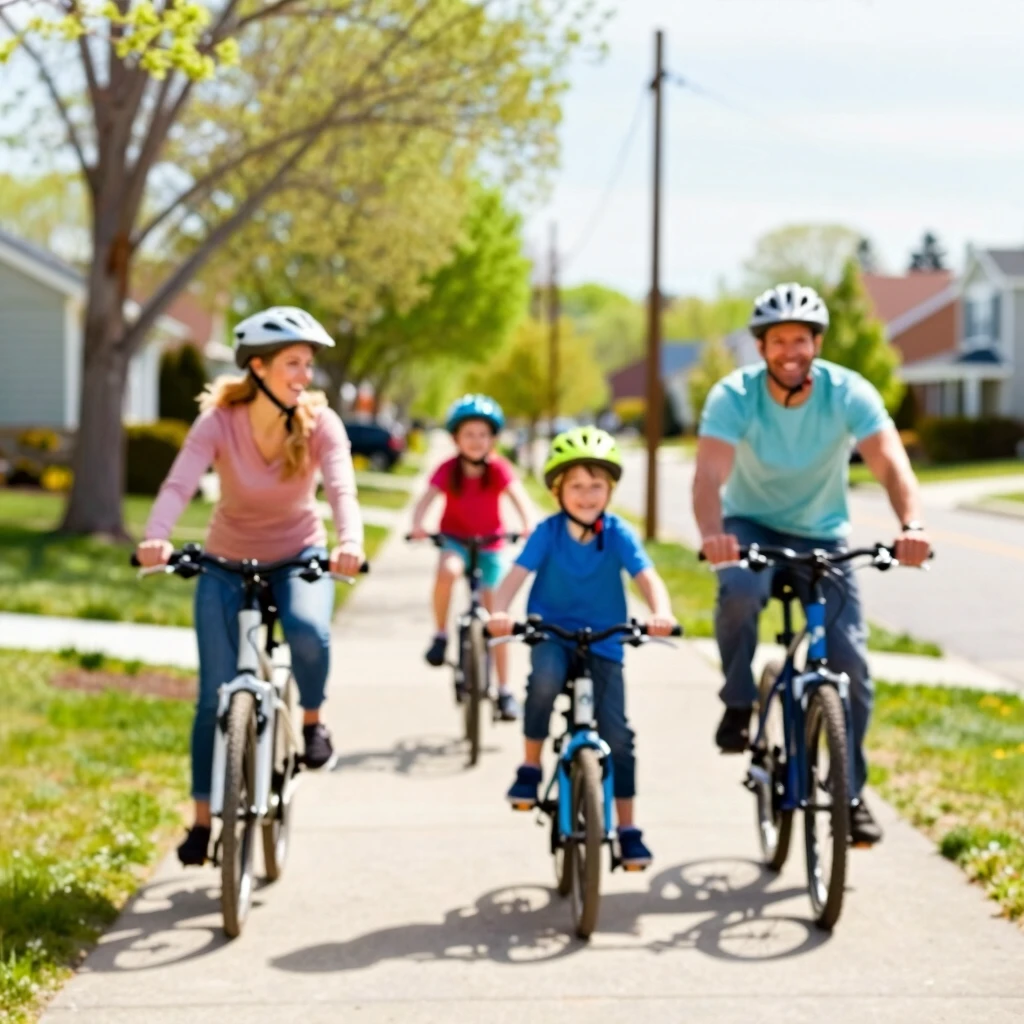
Plan active outings: bike rides, park visits, or chores turned fun, like raking leaves as a race.
Set examples. Parents who exercise inspire kids. Track progress with a family chart.
From my family, we started weekend bike rides. It strengthened our bonds and health. Kids now love being active.
Resources like Children's Colorado suggest defining goals and making exercise a routine.
How to Start Your Active Journey
Ready to boost your longevity? Assess your fitness first. Talk to a doctor if needed.
Build habits gradually. Walk during lunch breaks. Join a class for accountability.
Track what works. Apps help monitor steps and remind you to move.
Overcome barriers. Tired? Start small. Busy? Sneak in activity, like desk stretches.
Remember, any movement beats none. Even gardening counts.
Summary
An active lifestyle and longevity go hand in hand. Science proves regular movement extends life and improves health. Incorporate physical activity programs, design a family plan, and stay consistent. You'll feel the difference.

Discuss Here