A Quick Look at Mindful Cooking
Mindful cooking turns everyday meal prep into a joyful family ritual. It slows down the rush, focuses on fresh ingredients, and builds stronger connections. With easy recipes, you create lasting memories while boosting family wellness. This approach fits right into family wellness activities for weekends, making your home a hub of health and happiness. (42 words)
What Makes Mindful Cooking Special?
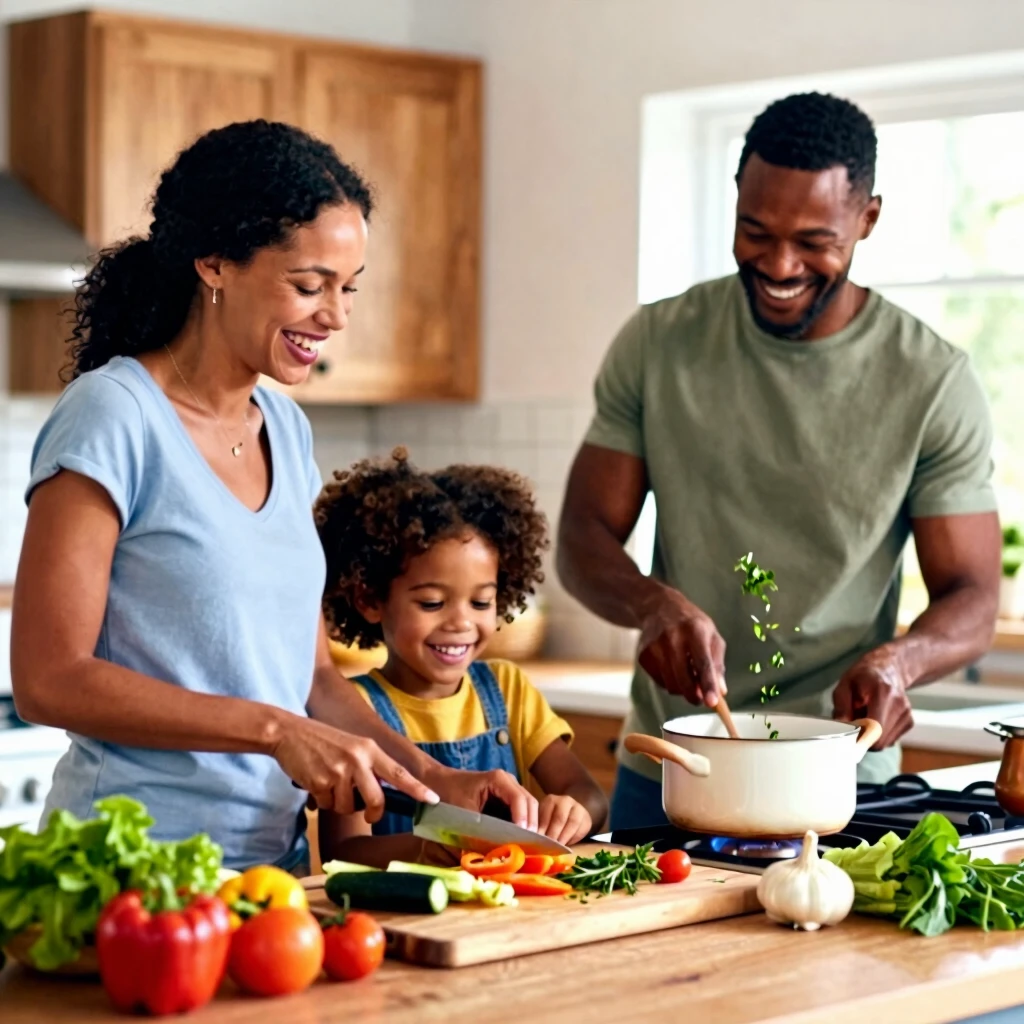
I remember my first mindful cooking evening with my own family. We had just moved to a new town, and everyone felt a bit lost. Instead of ordering takeout, we decided to try something different. We gathered in the kitchen, no phones in sight, and focused on the task at hand. Chopping onions brought tears and giggles. Stirring a simple sauce became a lesson in patience. That night, we didn't just eat dinner—we shared stories and dreams.
Mindful cooking means paying full attention to the process. You notice the sizzle of garlic in oil or the vibrant colors of fresh veggies. It's not about fancy dishes or perfection. It's about being present. This practice draws from mindfulness techniques that help reduce stress and improve focus, much like meditation but with aprons on.
For families, it shines as a tool for connection. Kids learn where food comes from. Parents model calm under pressure—like when the timer buzzes too soon. Over time, these moments weave a tighter family fabric.
Experts back this up. Research from the Greater Good Science Center at UC Berkeley highlights how cooking empowers individuals and strengthens social bonds. They note that shared kitchen time boosts happiness by fostering autonomy and teamwork. It's a simple way to nurture mental health without extra effort.
The Wellness Boost for Your Family
Family wellness goes beyond physical health. It includes emotional ties and shared joy. Mindful cooking fits perfectly into family wellness activities for weekends. Why? It combines movement, creativity, and conversation in one go.
Think about it: Prepping a meal gets everyone moving—stirring, chopping, tasting. This light activity burns calories and builds coordination, especially for kids. But the real magic happens in the chats. "What does this smell like to you?" sparks imagination. "Remember that trip to the farm?" revives old memories.
Studies show real benefits. According to the Harvard Graduate School of Education, regular family meals improve academic performance and mental health. They create routines that make kids feel secure. Plus, shared eating habits lead to better nutrition choices overall.
From my experience, weekends transform with this habit. Sundays used to mean screen time. Now, we plan a recipe Saturday night, shop together, and cook Sunday morning. The payoff? Closer talks and fewer arguments. It's wellness in action.
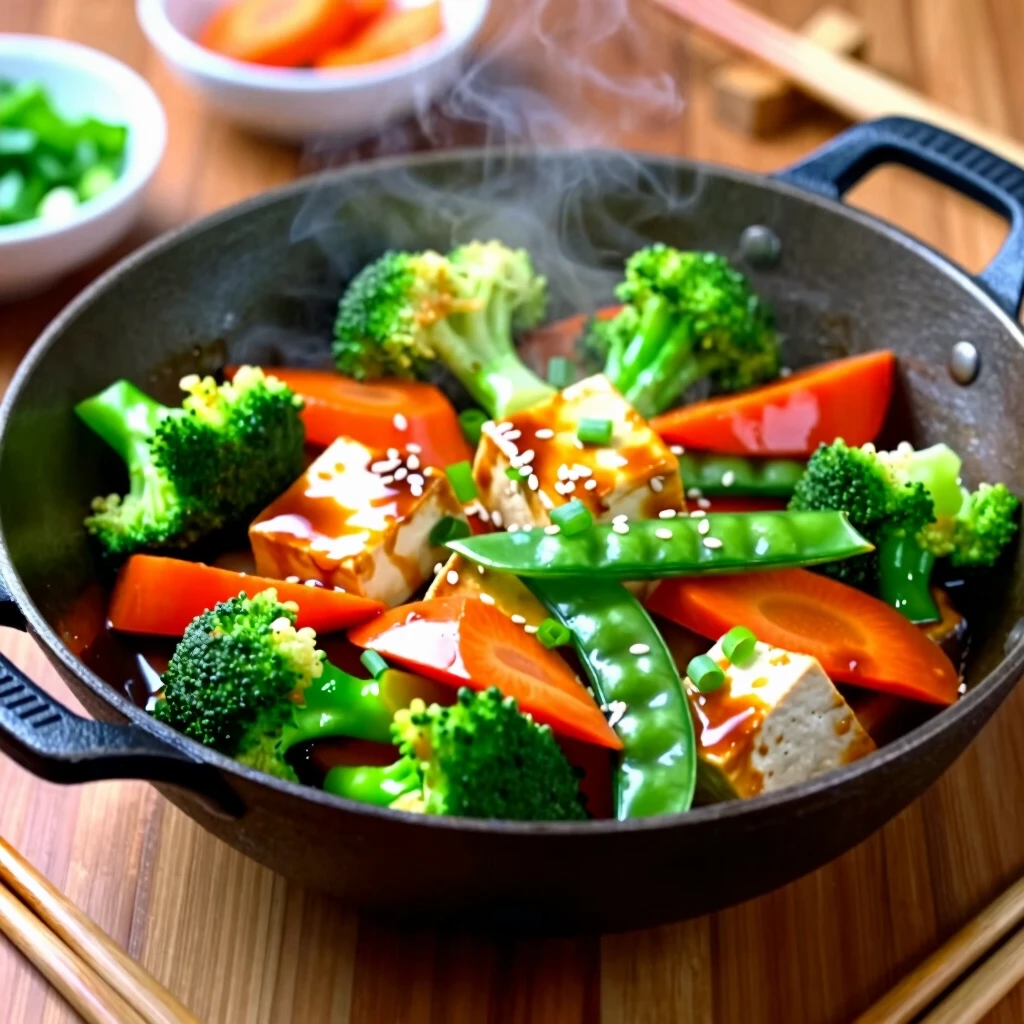
Easy Recipe 1: Veggie Stir-Fry Symphony
Let's dive into recipes that keep it simple. This veggie stir-fry serves four and takes 30 minutes. It's forgiving—if you burn a bit of garlic, laugh it off and keep going.
Ingredients
| Item | Amount |
|---|---|
| Broccoli florets | 2 cups |
| Carrots, sliced | 1 cup |
| Bell peppers, sliced | 1 cup |
| Snap peas | 1 cup |
| Tofu or chicken, cubed | 1 cup |
| Soy sauce | 3 tbsp |
| Ginger, grated | 1 tbsp |
| Garlic, minced | 2 cloves |
| Oil | 2 tbsp |
Steps
- Heat oil in a wok over medium heat. Add garlic and ginger. Sauté for 1 minute until fragrant.
- Toss in carrots and broccoli. Stir for 5 minutes until they soften a touch.
- Add bell peppers, snap peas, and protein. Cook 5-7 minutes more.
- Pour in soy sauce. Stir everything to coat. Taste and adjust.
- Serve hot with rice. Let each family member add their twist—like extra spice.
This dish teaches balance. Veggies provide fiber for steady energy. Protein keeps you full. As a family, discuss why each ingredient matters. It sparks curiosity about nutrition.
I once let my kids lead this recipe. My son added pineapple chunks—unexpected but delicious. Moments like that build confidence and fun.
Easy Recipe 2: Berry Yogurt Parfaits
For a sweet finish, try these no-cook parfaits. Ready in 10 minutes, they're great for lazy weekend mornings. Layers of yogurt, berries, and granola create a treat that feels indulgent yet healthy.
Ingredients
- Plain Greek yogurt: 4 cups
- Mixed berries (strawberries, blueberries, raspberries): 2 cups
- Granola: 1 cup
- Honey: 2 tbsp (optional)
- Chia seeds: 2 tbsp
Assembly
- Spoon yogurt into glasses, about 1/2 cup per layer.
- Add a handful of berries on top.
- Sprinkle granola and chia seeds.
- Repeat layers. Drizzle honey if desired.
- Enjoy immediately. Talk about favorite fruits as you build.
These parfaits highlight seasonal eating. Berries pack antioxidants that support heart health, per guidelines from the Michigan State University Extension. Building them together encourages portion control and variety.
In our home, this became a tradition. My daughter arranges the berries like art. It turns breakfast into a creative outlet, easing into the day with smiles.

Easy Recipe 3: Herb-Roasted Chicken with Roots
Craving heartier fare? This oven-baked chicken roasts in 45 minutes. It fills the house with cozy aromas that draw everyone in.
Ingredients
| Item | Amount |
|---|---|
| Chicken thighs | 4 pieces |
| Potatoes, cubed | 4 medium |
| Carrots, chunked | 4 |
| Onions, wedged | 1 large |
| Olive oil | 3 tbsp |
| Fresh rosemary and thyme | 2 sprigs each |
| Salt and pepper | To taste |
Steps
- Preheat oven to 400°F. Toss veggies with oil, salt, pepper, and half the herbs.
- Spread on a baking sheet. Nestle chicken among them.
- Drizzle chicken with oil and season. Top with remaining herbs.
- Roast 40-45 minutes until chicken hits 165°F inside.
- Rest 5 minutes. Serve family-style.
Roasting builds flavors slowly, mirroring mindful patience. The National Institutes of Health links such family meals to better social and nutritional outcomes. Sharing the plate promotes equality—no one's meal is 'better.'
We tried this during a rainy weekend. The oven's warmth matched our mood. By meal's end, we'd planned our next adventure. Food as a bridge—it's powerful.
Tips to Make It Stick
Starting mindful cooking? Keep it light. Here's a quick list: - Set the scene: Play soft music. Dim lights if it helps focus. - Involve all ages: Toddlers can wash veggies. Teens chop safely. - Mind the mess: Embrace it. Cleanup becomes another bonding step. - Reflect together: After eating, share one highlight. "What felt good?" - Plan ahead: Pick recipes mid-week. Shop as a team.
These steps turn routine into ritual. From my trials, consistency matters most. Start small—one meal a weekend—and watch connections grow.
Wrapping Up the Joy of Shared Plates
Mindful cooking: easy recipes for family bonding isn't just a phrase—it's a practice that enriches lives. You've got tools now: simple dishes, wellness perks, and real tips. Next weekend, gather your crew. Chop, stir, laugh. Feel the bonds strengthen. Your family wellness will thank you. These moments? They're the ones we carry forever. (1487 words total)

Discuss Here