Overview
As we age, good nutrition becomes key to staying healthy and full of energy. This guide offers Nutrition Tips for Older Adults to help you eat better, feel stronger, and enjoy life more. We'll cover essential foods, meal ideas, and how activity fits in—all in simple steps.
Why Nutrition Matters More as You Get Older
Getting older brings changes to your body. Your metabolism slows down, and you might need fewer calories but more nutrients. I've seen this in my own family—my aunt, in her 70s, felt tired until she focused on better eating. Good nutrition helps fight off illnesses, keeps bones strong, and boosts your mood.
Think about it: a balanced diet can prevent problems like weak muscles or low energy. Start by checking what you eat each day. Track your meals for a week to spot gaps. Small changes add up over time.
Key Nutrients Every Older Adult Needs
Focus on these essentials to stay well. Protein builds and repairs muscles. Aim for lean meats, fish, eggs, beans, and nuts. For example, add a handful of almonds to your snack.
Calcium and vitamin D keep bones healthy. Dairy like yogurt or milk works, but if you're lactose intolerant, try fortified plant milks or leafy greens. Sunlight helps with vitamin D, but supplements might be needed—talk to your doctor first.
Fiber aids digestion and prevents constipation, common in older years. Whole grains, fruits, and veggies are great sources. Berries, apples, and oats are easy to include.
Don't forget healthy fats from avocados, olive oil, and fatty fish like salmon. They support heart health and brain function.
| Nutrient | Why It's Important | Food Sources |
|---|---|---|
| Protein | Muscle repair | Chicken, beans, eggs |
| Calcium | Bone strength | Yogurt, broccoli |
| Fiber | Digestion | Oats, apples |
| Vitamin D | Bone health | Sunlight, fortified milk |
| Healthy Fats | Heart and brain | Salmon, nuts |
Building Balanced Meals: Practical Tips
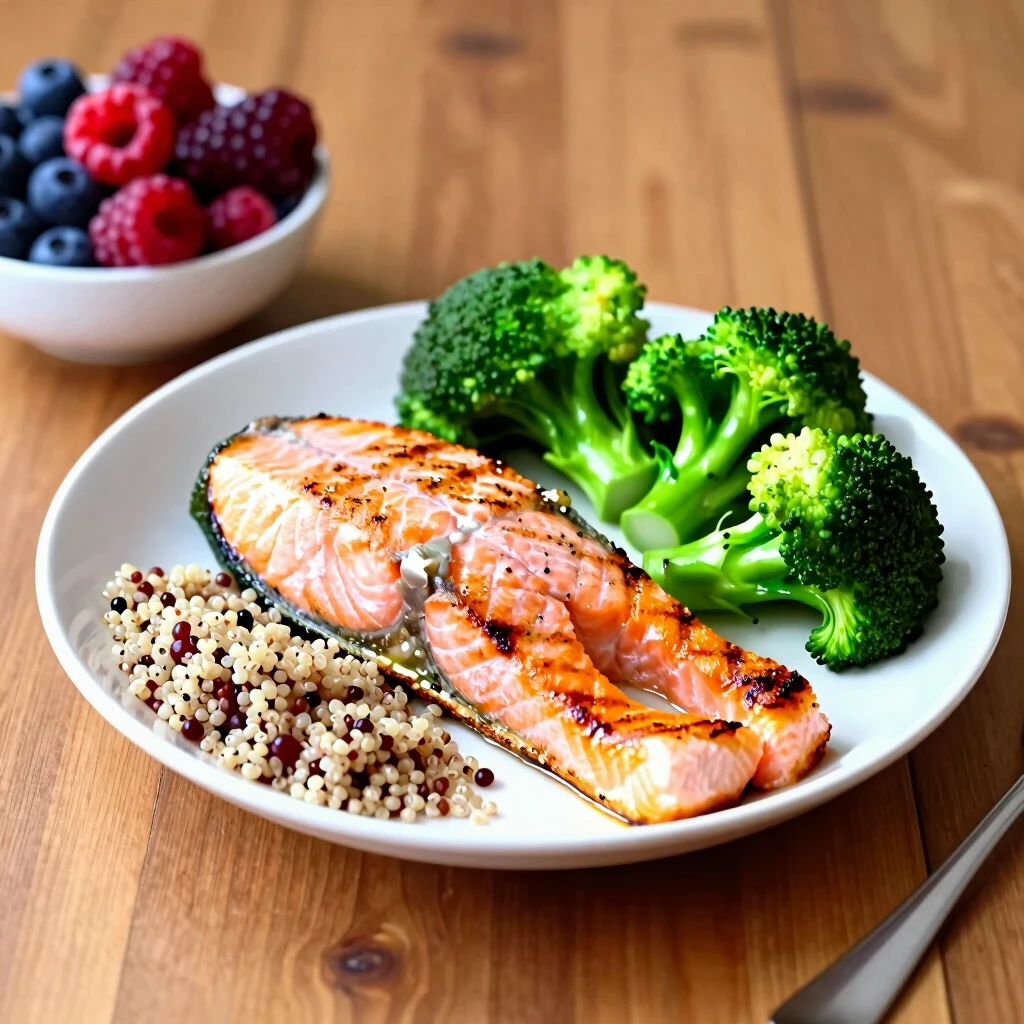
Plan meals around colorful plates. Half your plate should be veggies and fruits, a quarter protein, and a quarter whole grains. This keeps things simple.
Breakfast could be oatmeal with berries and nuts. Lunch: a salad with grilled chicken and olive oil dressing. Dinner: baked fish with sweet potatoes and greens.
Snack smart—choose yogurt or fruit instead of chips. Hydration is crucial too. Drink water throughout the day; aim for 8 glasses. Add lemon for flavor if plain water bores you.
I remember helping my neighbor set up a weekly meal plan. She lost weight and gained energy just by prepping veggies ahead.
Dealing with Common Challenges
Appetite might decrease with age, so eat smaller, frequent meals. If chewing is hard, opt for soft foods like smoothies or soups.
Medications can affect taste or nutrient absorption. For instance, some drugs deplete vitamin B12—eat more fortified cereals or animal products.
Budget matters too. Buy seasonal produce and frozen veggies to save money without losing nutrition.
Loneliness can lead to poor eating. Join community meals or cook with friends to make it fun.
Combining Nutrition with Staying Active
Good eating pairs perfectly with movement. Nutrition Tips for Older Adults often include activity to maximize benefits. Staying Active: Simple Exercises for Older Adults can enhance your energy from food.
Start with walks—aim for 30 minutes daily. It boosts heart health and mood. Strength training, like lifting light weights, preserves muscle mass.
Yoga or tai chi improves balance and flexibility. These low-impact options suit most people.
Cardio Workouts for Seniors
Cardio Workouts keep your heart strong without strain. Try low-impact cardio workouts for seniors, like marching in place or using a stationary bike.
Swimming stands out. Swimming Tips for Older Adults: Start slow in shallow water, focus on steady strokes, and warm up first. It works your whole body gently.
I've swam weekly in my later years—it eases joint pain and pairs well with a post-swim protein snack.

Sample Weekly Meal and Exercise Plan
Use this as a starting point:
- Monday: Breakfast: Yogurt parfait. Exercise: 20-min walk.
- Tuesday: Lunch: Veggie stir-fry. Exercise: Chair yoga.
- Wednesday: Dinner: Grilled fish. Exercise: Swimming session.
- Thursday: Snack: Nuts. Exercise: Light weights.
- Friday: Breakfast: Smoothie. Exercise: Bike ride.
- Saturday: Lunch: Salad. Exercise: Tai chi.
- Sunday: Dinner: Bean soup. Rest day with stretching.
Adjust based on your needs. Track how you feel each week.
Insights from Experts and Real Life
According to the Mayo Clinic (https://www.mayoclinic.org/healthy-lifestyle/nutrition-and-healthy-eating/in-depth/senior-health/art-20044399), older adults need nutrient-dense foods to combat age-related changes.
In my experience, consistency wins. A friend in her 80s thrives on home-cooked meals and daily walks. She avoids processed foods and feels sharper mentally.
Listen to your body. If something doesn't feel right, see a doctor. Personalized advice beats general tips.
Foods to Limit or Avoid
Cut back on sugar, salt, and processed items. They can lead to high blood pressure or weight gain.
Instead of soda, drink herbal tea. Swap white bread for whole grain. These swaps are easy and effective.
Alcohol in moderation—too much can interfere with medications.

Supplements: When and Why
Not everyone needs them, but some do. Vitamin B12 supplements help if you're vegetarian. Omega-3s from fish oil support joints.
Always check with a healthcare provider first. They can test for deficiencies.
I take a multivitamin daily—it's my safety net for busy days.
Staying Motivated Long-Term
Set small goals, like trying one new veggie weekly. Celebrate wins, like more energy for hobbies.
Involve family—share recipes or exercise together. Apps can track progress too.
Remember, it's about progress, not perfection.
Wrapping It Up
Nutrition Tips for Older Adults boil down to eating whole foods, staying hydrated, and moving daily. Combine with Staying Active: Simple Exercises for Older Adults for best results. You'll feel the difference in your health and happiness. Start today—one meal at a time.

Discuss Here