Overview
Creating an Allergy Action Plan for Schools is essential for protecting children with food allergies. This guide provides parents, teachers, and school staff with practical steps to ensure safety, manage emergencies like acute FPIES, and foster inclusive environments. Let’s dive into building a plan that works for everyone.
Why an Allergy Action Plan Matters
Food allergies affect millions of children, with about 8% of kids in the U.S. dealing with at least one. Schools are busy places—lunchrooms, classrooms, and playgrounds can all pose risks. An Allergy Action Plan acts like a roadmap. It outlines what to do if a child is exposed to an allergen, ensuring quick action and peace of mind.
I remember my nephew’s first day at school after his peanut allergy diagnosis. His parents were nervous, but working with the school to create a clear plan made all the difference. It’s not just about avoiding allergens; it’s about preparing for the unexpected, like accidental exposure or a rare condition like acute FPIES.
Understanding Food Allergies: Building Safe School Environments
Food allergies range from mild to life-threatening. Common triggers include peanuts, tree nuts, milk, eggs, and shellfish. Acute FPIES (Food Protein-Induced Enterocolitis Syndrome) is less common but serious, causing severe vomiting and dehydration, often hours after eating a trigger food. Schools need to understand these risks to create safe spaces.
Start with education. Teachers, cafeteria staff, and even bus drivers should know the basics of food allergies. Training sessions can cover recognizing symptoms—like hives, swelling, or trouble breathing—and how to respond. Schools can invite allergists or use resources from organizations like Food Allergy Research & Education (FARE) to guide training.
Steps to Create an Effective Allergy Action Plan
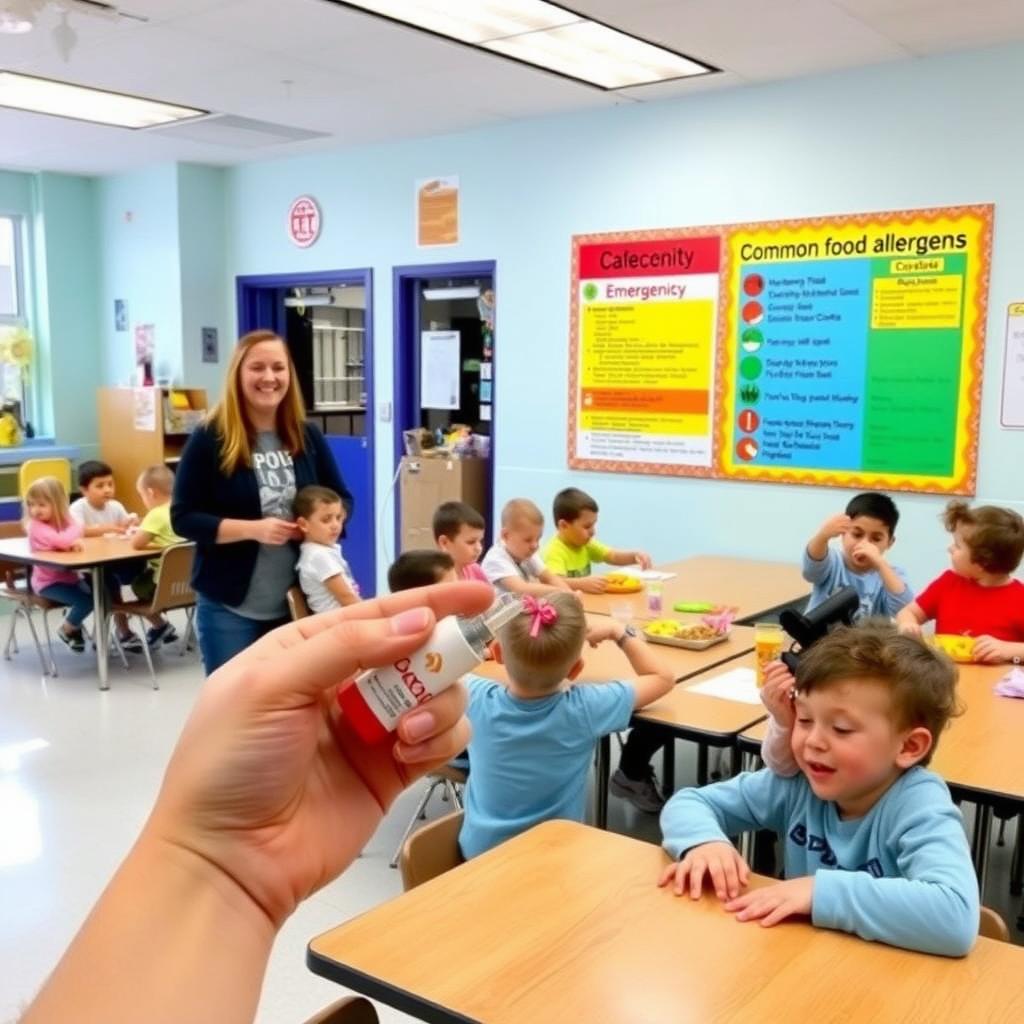
An Allergy Action Plan is a written document tailored to a child’s needs. It’s a team effort involving parents, doctors, and school staff. Here’s how to build one:
- Get a Doctor’s Input: Work with your child’s allergist to document their allergies, symptoms, and medications. For example, kids with acute FPIES may need specific instructions, as reactions can be delayed.
- List Emergency Steps: Clearly outline what to do if a reaction happens. For instance, administer an epinephrine auto-injector for anaphylaxis or call 911 for severe FPIES symptoms.
- Identify Safe Zones: Designate allergen-free areas, like a peanut-free table in the cafeteria.
- Train Staff: Ensure teachers and staff know how to use an epinephrine auto-injector and recognize symptoms.
- Communicate with Parents: Keep open lines with parents to update the plan as needed.
A good plan is simple, specific, and accessible. Keep copies in the nurse’s office, classrooms, and with key staff.
Nutrition Tips for Children with Food Allergies
Feeding a child with food allergies at school can feel like a puzzle. You want them to eat safely without feeling left out. Here are some practical nutrition tips:
- Pack Safe Lunches: Use allergy-friendly ingredients, like sunflower seed butter instead of peanut butter. Check labels for hidden allergens.
- Work with the Cafeteria: Many schools offer allergy-safe menu options. Meet with the nutrition staff to review ingredients.
- Teach Kids to Self-Advocate: Encourage children to ask about food ingredients and avoid sharing snacks.
- Plan for Snacks and Treats: Send safe treats for class parties to ensure your child can join in.
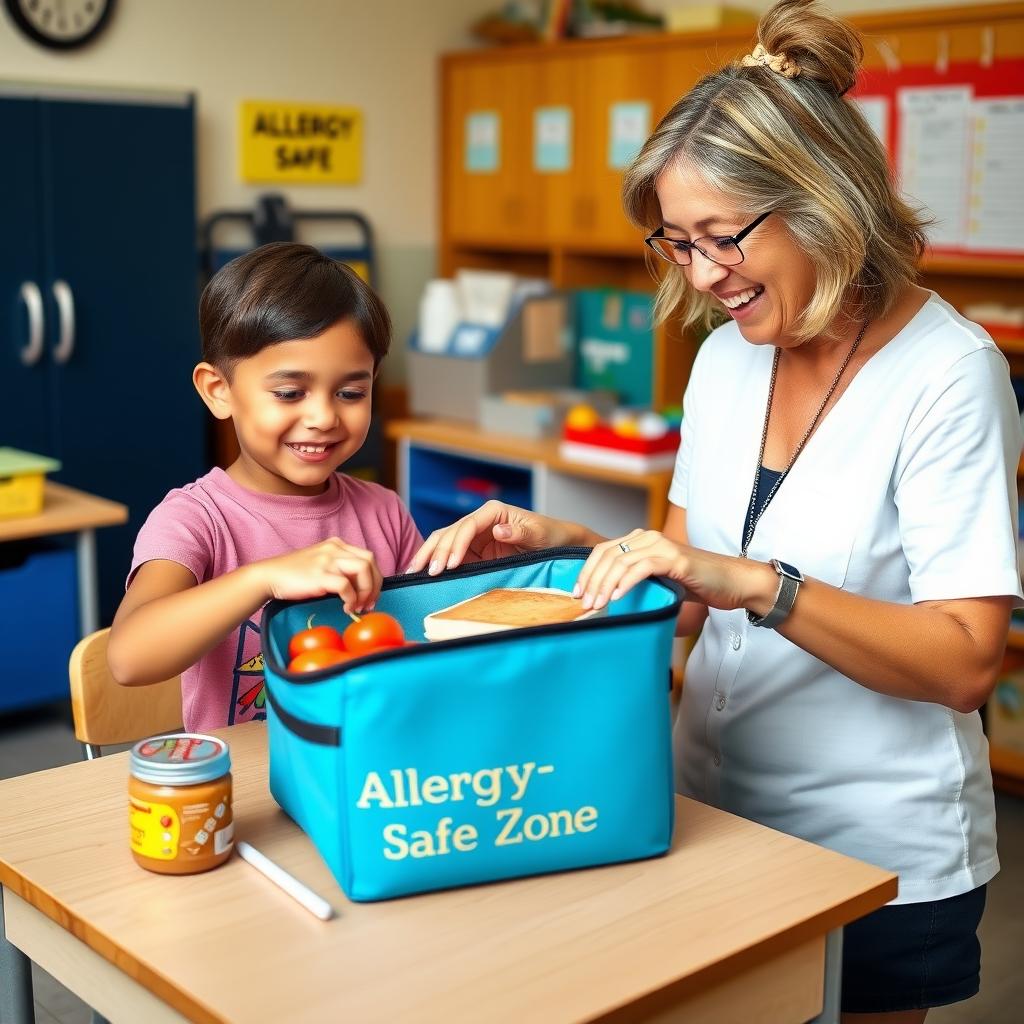
When my friend’s daughter started kindergarten, they packed a “safe snack box” for her classroom. It was stocked with allergy-friendly treats, so she never felt excluded during celebrations.
Acute FPIES and School Safety
Acute FPIES is a unique challenge. Unlike typical allergies, reactions often happen hours after eating trigger foods like dairy, soy, or grains. Symptoms include severe vomiting, lethargy, and dehydration, which can be alarming in a school setting. Here’s how to address it:
| Aspect | Action |
|---|---|
| Identification | List trigger foods in the Allergy Action Plan. |
| Delayed Reaction | Train staff to monitor for delayed symptoms (2-4 hours post-exposure). |
| Emergency Response | Include steps like hydration protocols and when to call 911. |
| Communication | Ensure parents are notified immediately if a reaction is suspected. |
I spoke with a parent whose son has FPIES. They worked closely with the school nurse to create a detailed plan, including a hydration kit in case of a reaction. It gave them confidence their son was safe.
Involving the School Community
A successful plan goes beyond paperwork—it involves the whole school. Here’s how to build a supportive community:
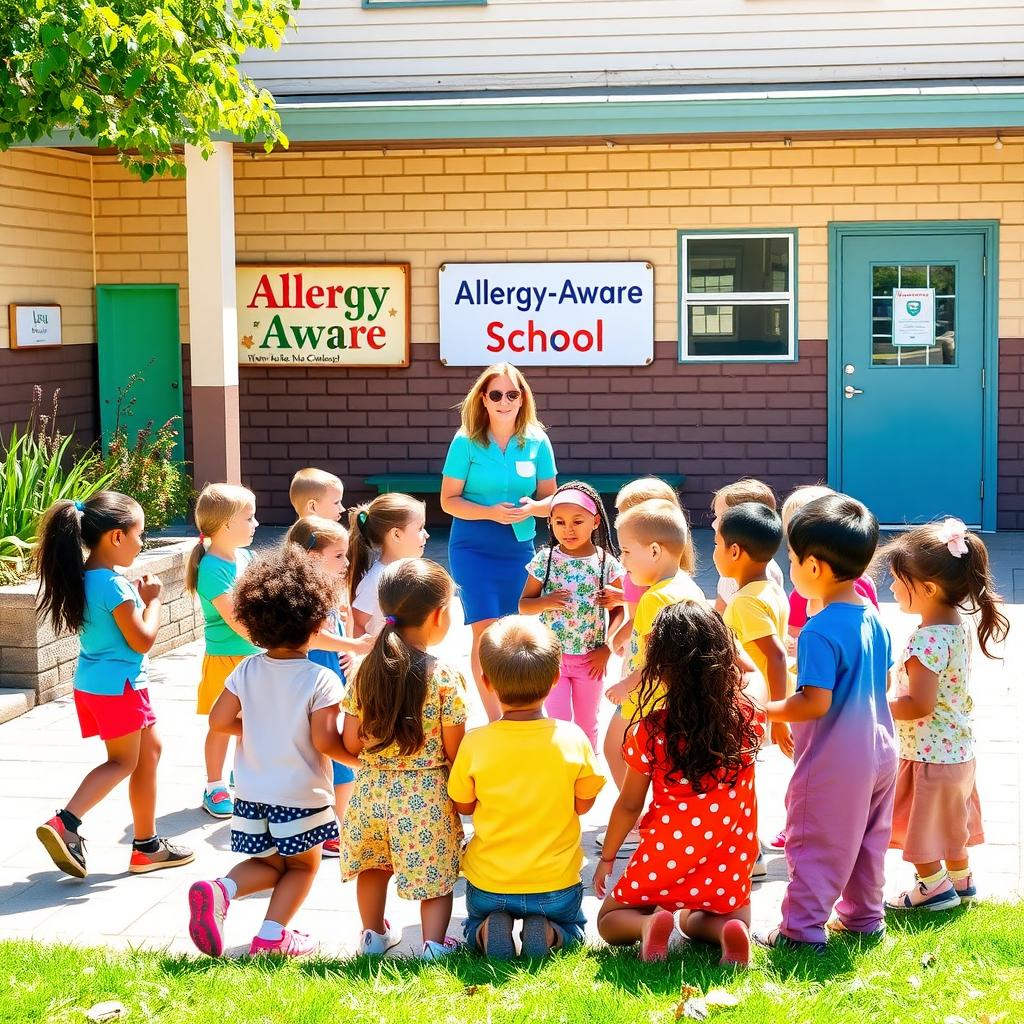
- Educate Peers: Teach classmates about allergies in an age-appropriate way. For example, explain why sharing food can be dangerous.
- Engage Parents: Send home letters explaining the school’s allergy policies.
- Create a Culture of Inclusion: Encourage activities where all kids can participate, like non-food-based rewards.
One school I visited replaced candy rewards with stickers and extra recess time. The kids loved it, and it reduced allergy risks.
Legal and Policy Considerations
Schools must comply with laws like the Americans with Disabilities Act (ADA), which may require accommodations for food allergies. Section 504 Plans or Individualized Education Programs (IEPs) can formalize allergy accommodations. Check with your school district for specific policies.
Partner with administrators to review policies on food in classrooms, emergency drills, and staff training. Resources like the CDC’s “Voluntary Guidelines for Managing Food Allergies in Schools” can help schools align with best practices.
Overcoming Common Challenges
Creating an Allergy Action Plan isn’t without hurdles. Some schools may lack trained staff, or parents may worry about their child being singled out. Address these by:
- Advocating for Training: Push for annual allergy training for staff.
- Balancing Inclusion and Safety: Work with teachers to ensure kids feel included without compromising safety.
- Regular Updates: Revisit the plan yearly or after any allergic reaction.
Persistence pays off. One parent I know met monthly with their school’s principal to fine-tune their daughter’s plan. It built trust and ensured everyone was prepared.
Summary
Creating an Allergy Action Plan for Schools is a vital step to protect children with food allergies. By understanding food allergies, addressing acute FPIES, and following nutrition tips, schools can become safe, inclusive spaces. Collaborate with doctors, staff, and parents to build a plan that ensures safety and peace of mind.

Discuss Here