Overview
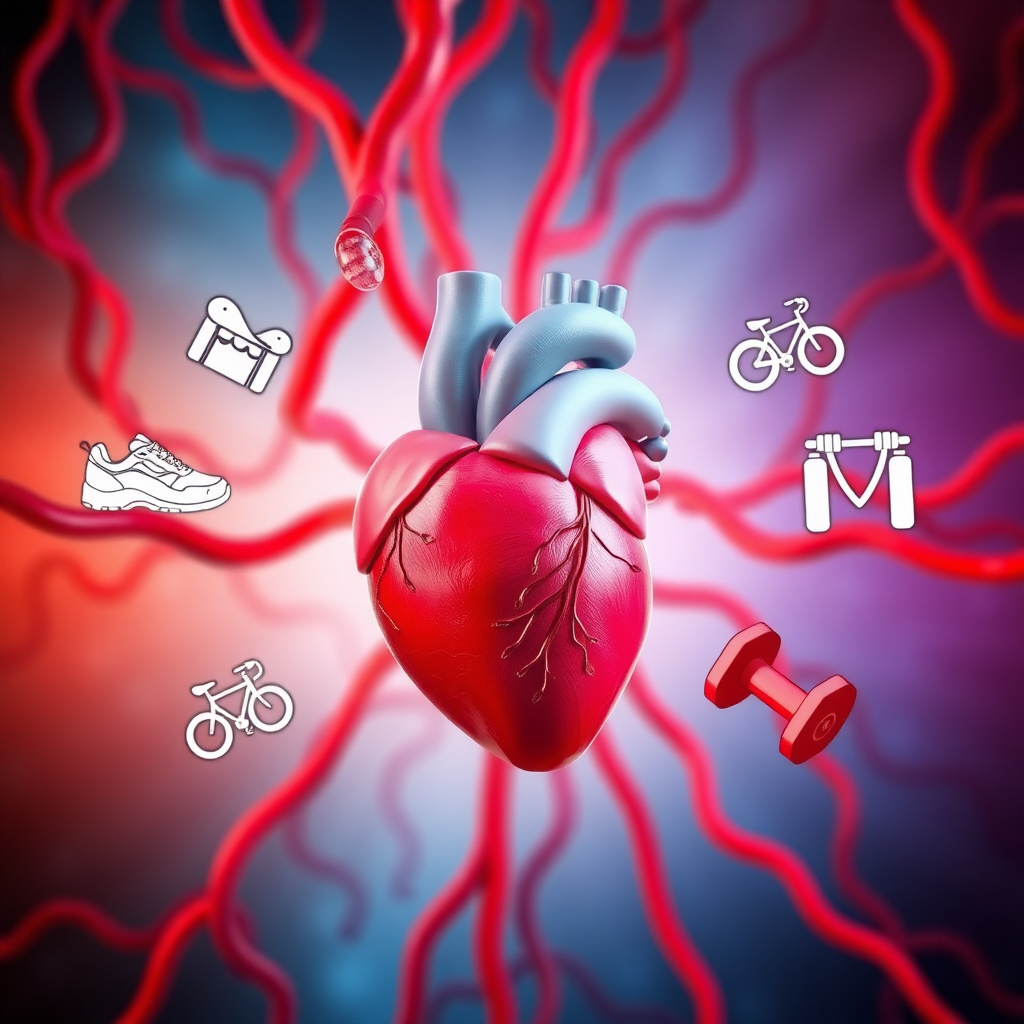
Living an active lifestyle strengthens your heart and reduces risks of cardiovascular diseases. By incorporating regular physical activity, you can improve blood flow, lower blood pressure, and enhance overall well-being. This guide explores how to make it part of your daily routine for lasting health benefits.
Why an Active Lifestyle Matters for Cardiovascular Health
Think about your heart as the engine of your body. It pumps blood day and night, delivering oxygen and nutrients to every cell. When you lead an active lifestyle, you give that engine a tune-up. Regular movement helps prevent issues like heart attacks, strokes, and high cholesterol.
I remember when I first started jogging in my neighborhood. At 35, I felt sluggish after long workdays. But after a few weeks of consistent activity, my energy soared, and my doctor noted improved blood pressure readings. It's not just about exercise; it's about making movement a habit that supports cardiovascular health.
Studies from the American Heart Association show that adults who get at least 150 minutes of moderate activity each week cut their risk of heart disease by up to 30%. That's a big win without needing fancy equipment or gym memberships. Start small, like walking during lunch breaks, and build from there.

Key Benefits of Physical Activity for Your Heart
An active lifestyle does more than keep you fit. It directly impacts cardiovascular health in several ways. First, it strengthens your heart muscle, making it pump more efficiently. This means better circulation and less strain on your arteries.
Second, regular activity helps control weight, which reduces the burden on your heart. Excess weight can lead to conditions like diabetes, a major risk factor for heart problems. Plus, moving more lowers bad cholesterol levels while boosting the good kind.
Here's a quick list of benefits: - Improved blood pressure control - Reduced inflammation in blood vessels - Better stress management, which protects against heart strain - Enhanced sleep quality for overall recovery
From my experience, adding yoga to my routine helped me manage stress better. After tough days, a 20-minute session left me calmer, and I noticed my resting heart rate dropped over time.
Getting Started with an Active Lifestyle
You don't need to run marathons to reap the rewards. Begin with simple steps that fit your schedule. Aim for a mix of aerobic activities, like brisk walking or cycling, and strength training, such as bodyweight exercises.
Set realistic goals. If you're new to this, start with 10-minute walks three times a day. Track your progress in a journal to stay motivated. Remember, consistency beats intensity every time.
Consider joining Physical Activity Programs offered by local community centers. These structured sessions make exercise fun and social. For instance, group classes can keep you accountable while building friendships.
Incorporating Wellness Programs into Your Routine
Wellness programs go beyond solo workouts. They often include nutrition guidance, mental health support, and community events. Many workplaces offer these to employees, helping you balance life and health.
Look for programs that focus on cardiovascular health, like those with heart-rate monitoring or educational workshops. The Centers for Disease Control and Prevention (CDC) recommends such initiatives for long-term success. Visit their site at cdc.gov for more details.
In my own journey, I joined a wellness program at work. It included weekly challenges, like step counts, which turned exercise into a game. Not only did my cardiovascular health improve, but I also felt more connected to colleagues.
Making It a Family Affair: Family Wellness and Heart Health
An active lifestyle isn't just for individuals—it's perfect for family wellness too. Involve your loved ones to create lasting habits. Plan weekend hikes or bike rides together. This builds bonds while promoting cardiovascular health for everyone.
Kids learn by example. When they see you prioritizing movement, they're more likely to stay active as adults. Simple activities like playing tag or dancing in the living room count toward family wellness goals.
Here's a table of family-friendly activities:
| Activity | Duration | Benefits for Cardiovascular Health |
|---|---|---|
| Family Walk | 30 mins | Improves circulation and family bonding |
| Bike Ride | 45 mins | Builds endurance and lowers heart risk |
| Home Dance Party | 20 mins | Boosts heart rate and reduces stress |
| Yard Games | 1 hour | Enhances agility and controls weight |
These keep things fun and accessible, ensuring everyone stays engaged.

Overcoming Common Challenges
Life gets busy, but don't let that derail your active lifestyle. Weather bad? Try indoor options like jumping jacks or online workout videos. Motivation low? Partner with a friend for accountability.
If you have health concerns, consult a doctor before starting. They can tailor advice to your needs. From personal experience, I hit a plateau once, but switching activities—like from running to swimming—reignited my passion.
Nutrition's Role in Supporting an Active Lifestyle
Exercise alone isn't enough; pair it with heart-healthy foods. Eat plenty of fruits, vegetables, whole grains, and lean proteins. Omega-3s from fish like salmon help reduce inflammation in your arteries.
Avoid processed foods high in salt and sugar, which can harm cardiovascular health. A balanced diet fuels your activities and maximizes benefits.
Monitoring Your Progress
Track key metrics to see improvements. Use a fitness app to monitor steps, heart rate, and sleep. Regular check-ups with your doctor provide professional insights.
Celebrate small wins, like fitting into old clothes or feeling more energetic. These milestones keep you going.
Summary
Embracing an active lifestyle transforms your cardiovascular health. Through consistent physical activity, wellness programs, and family involvement, you build a stronger heart and happier life. Start today with small steps, and watch the benefits unfold. For more guidance, explore the recommended readings below.

Discuss Here