Overview
Swimming is more than just a leisurely dip in the pool for seniors—it’s a gateway to better health, improved mobility, and a renewed sense of joy. As a low-impact cardio workout, swimming offers seniors a safe, effective way to stay active, manage chronic conditions, and enhance mental well-being. This article dives into The Benefits of Swimming for Seniors, providing practical tips and insights to help older adults embrace this life-changing activity.
Why Swimming is Perfect for Seniors
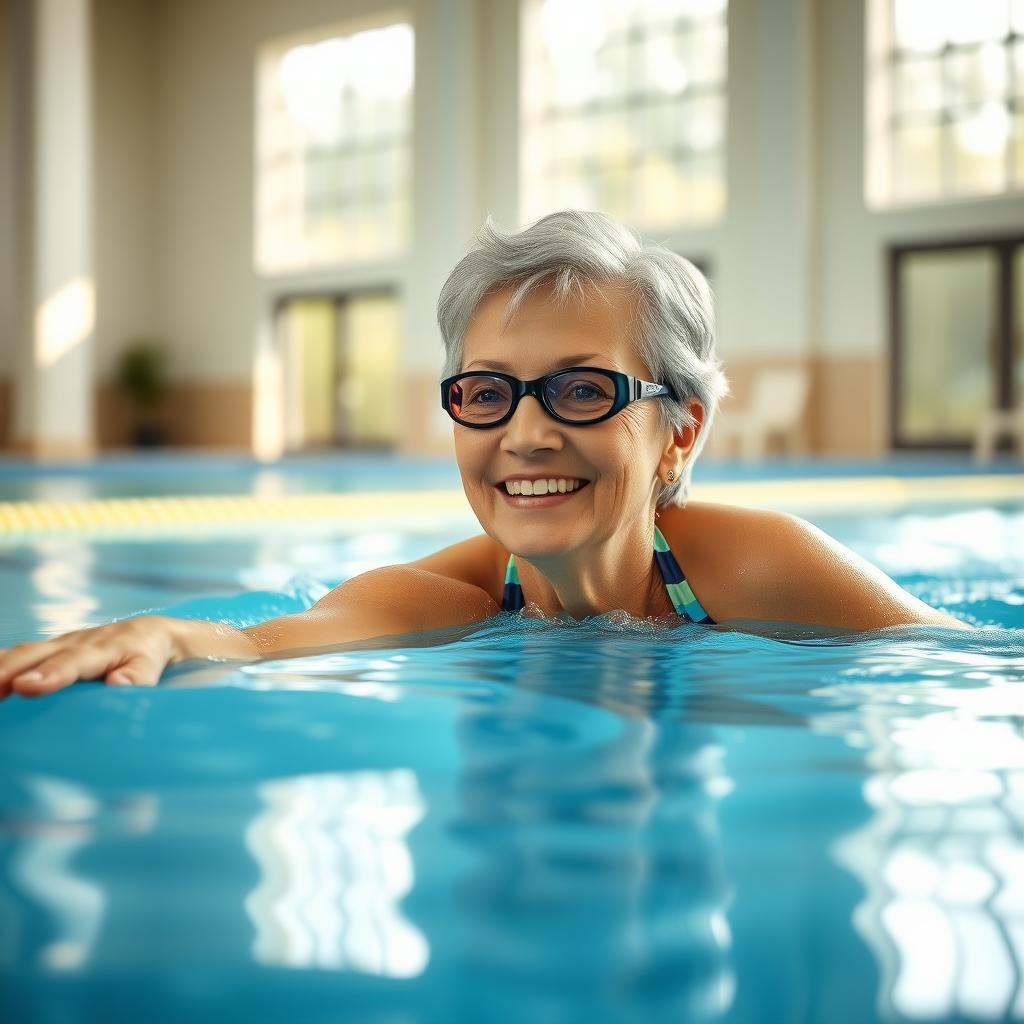
When I visited my grandmother last summer, I noticed how her weekly swim sessions at the community pool transformed her energy levels. At 72, she wasn’t just staying fit—she was glowing with confidence. Swimming is a full-body workout that’s gentle on the joints, making it ideal for older adults. Unlike high-impact exercises like running, swimming supports the body with water’s buoyancy, reducing strain while delivering powerful health benefits.
For seniors, staying active is key to maintaining independence. Wellness Programs That Boost Senior Health often highlight swimming because it combines cardiovascular exercise, muscle strengthening, and flexibility in one activity. According to the CDC, regular physical activity like swimming can reduce the risk of chronic diseases such as heart disease and diabetes by up to 50% in older adults (CDC Physical Activity Guidelines).
Key Benefits of Swimming for Seniors
Let’s break down why swimming stands out as one of the best low-impact cardio workouts for seniors. Here are the top benefits:
- Heart Health: Swimming strengthens the heart, improving circulation and lowering blood pressure. A 2016 study in the Journal of Aging and Physical Activity found that regular swimming reduced cardiovascular risk factors in older adults by 20%.
- Joint Mobility: The water’s buoyancy supports joints, making swimming ideal for those with arthritis or joint pain. My uncle, who has osteoarthritis, swears by his twice-weekly swim sessions for pain relief.
- Muscle Strength: Swimming engages multiple muscle groups, helping seniors maintain strength without overexertion.
- Mental Health: The rhythmic nature of swimming reduces stress and boosts mood. Seniors often report feeling calmer and more focused after a swim.
- Social Connection: Group swim classes foster friendships, combating loneliness—a common issue for older adults.
Swimming Tips for Older Adults
Getting started with swimming can feel daunting, especially if it’s been years since you’ve hit the pool. Here are some practical Swimming Tips for Older Adults to ease you into the water:
- Start Slow: Begin with 10-15 minute sessions and gradually increase duration. Even gentle water walking is a great start.
- Choose the Right Pool: Look for warm, shallow pools with easy access, like those at community centers.
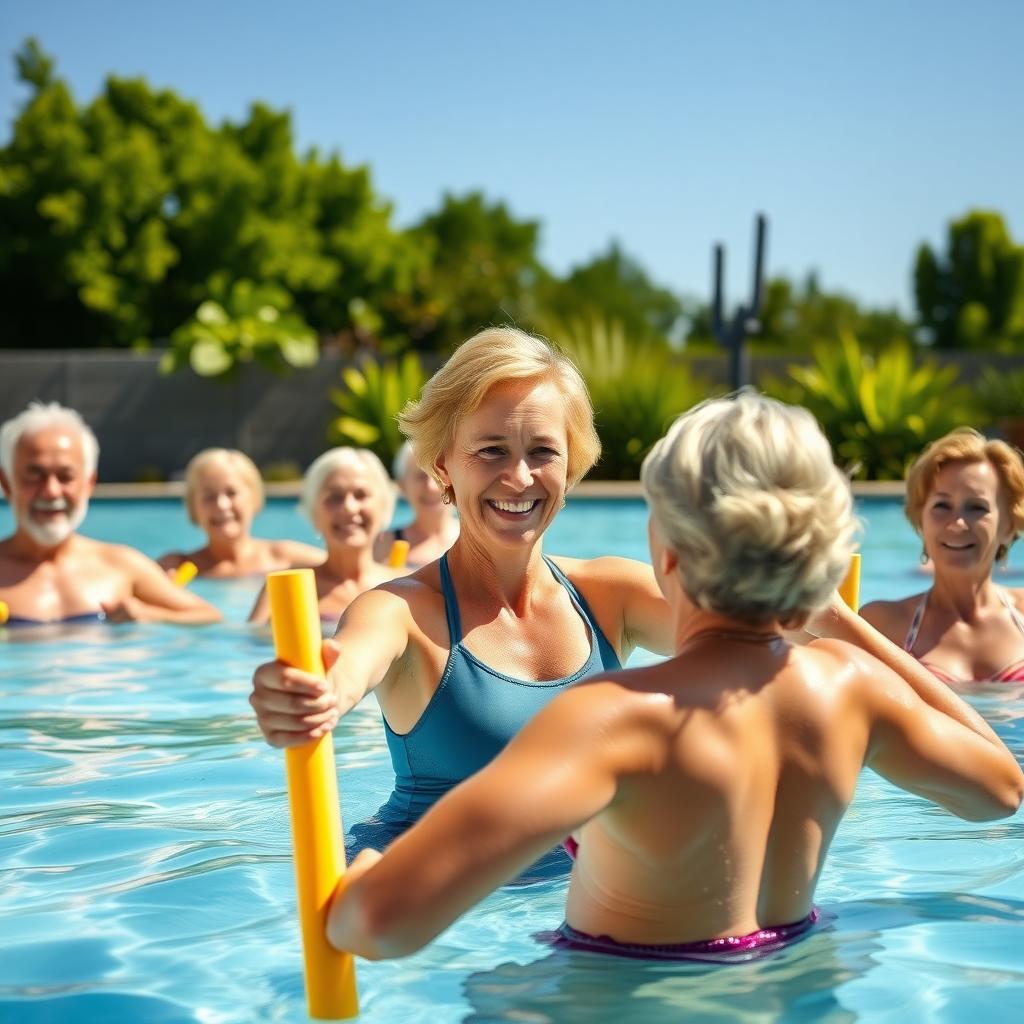
- Use Supportive Gear: Flotation devices or pool noodles can boost confidence for beginners.
- Join a Class: Aqua aerobics or senior swim groups provide structure and social support.
- Consult Your Doctor: If you have health conditions, check with your physician before starting.
My neighbor, a 68-year-old retiree, started with water aerobics and now swims laps three times a week. She says the key was finding a supportive instructor who understood her pace.
How Swimming Fits into Wellness Programs
Wellness Programs That Boost Senior Health often prioritize activities like swimming because they’re accessible and adaptable. Community centers and senior living facilities frequently offer swim programs tailored to older adults. These programs aren’t just about exercise—they create a sense of community and purpose. For example, the YMCA’s senior swim classes combine Cardio Workouts with social activities, helping participants stay motivated.
Swimming also complements other wellness practices. Pairing it with stretching or light strength training can enhance flexibility and balance. A balanced routine might look like this:
| Day | Activity | Duration |
|---|---|---|
| Monday | Swimming (laps or aqua aerobics) | 30 min |
| Wednesday | Stretching or yoga | 20 min |
| Friday | Swimming (gentle water walking) | 25 min |
This approach keeps exercise varied and sustainable, reducing the risk of burnout.
Overcoming Common Barriers
Some seniors hesitate to swim due to fear of injury, self-consciousness, or lack of experience. I remember my aunt worrying about looking ‘silly’ in a swimsuit. But pools are judgment-free zones, especially in senior-focused classes. Here’s how to address common concerns:
- Fear of Water: Start in shallow water and use flotation aids.
- Physical Limitations: Work with a physical therapist to adapt movements.
- Cost: Many community pools offer free or low-cost senior programs.
- Time: Even 15-minute sessions twice a week can make a difference.
Real Stories of Transformation
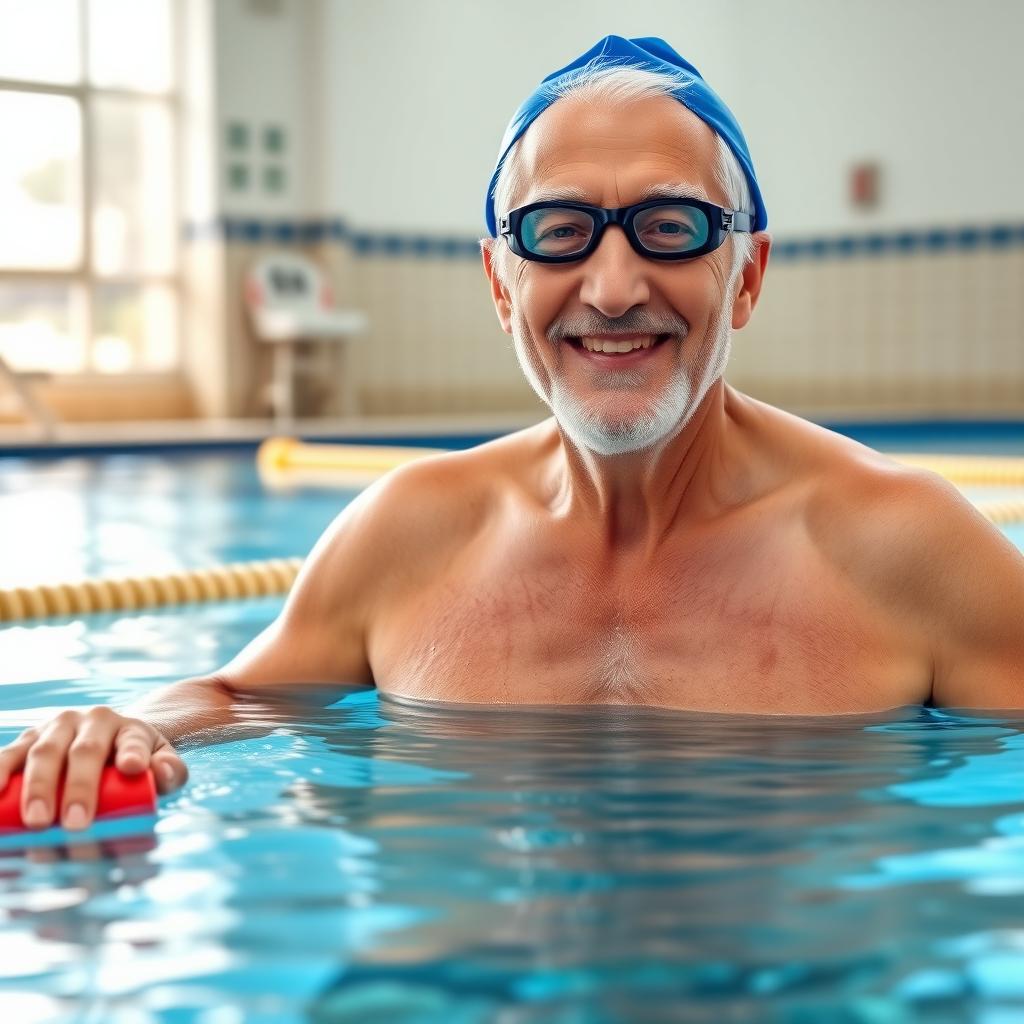
Take Joan, a 75-year-old I met at a local swim club. After a hip replacement, she struggled with mobility. Her doctor recommended swimming, and within six months, she was walking without a cane. Joan’s story isn’t unique—swimming has helped countless seniors regain confidence and independence. Research from the American Journal of Public Health shows that regular aquatic exercise improves balance and reduces fall risk by 30% in seniors over 65.
Making Swimming a Habit
To make swimming a regular part of your routine, set realistic goals and track progress. Try this simple plan:
- Week 1-2: Swim 15 minutes, twice a week.
- Week 3-4: Increase to 20 minutes, three times a week.
- Month 2: Aim for 30-minute sessions, including laps or aqua aerobics.
Celebrate small wins, like feeling less stiff or making a new friend at the pool. Consistency is key, and the benefits—stronger muscles, better mood, and improved heart health—are worth it.
Summary
The Benefits of Swimming for Seniors are clear: it’s a low-impact, full-body workout that boosts heart health, mobility, and mental well-being. With the right approach—starting slow, using supportive gear, and joining group classes—older adults can make swimming a joyful part of their routine. Whether you’re managing a chronic condition or simply want to stay active, swimming offers a path to a healthier, happier life.

Discuss Here