Overview: A Path to Relief from Pet Allergies
Pet allergies can make life challenging for both people and their furry companions. Sneezing, itching, or even severe reactions like those seen in chronic food allergies or FPIES (Food Protein-Induced Enterocolitis Syndrome) can disrupt daily routines. Allergen immunotherapy offers a promising solution, helping to retrain the immune system for long-term relief. This guide dives into how it works, its benefits, and what to expect.
What Is Allergen Immunotherapy?
Allergen immunotherapy, often called allergy shots or sublingual drops, is a treatment designed to reduce sensitivity to allergens. For pet allergies, it targets reactions to dander, saliva, or fur from cats, dogs, or other animals. Unlike medications that only mask symptoms, immunotherapy addresses the root cause by gradually exposing the immune system to small amounts of allergens. Over time, this can lessen or even eliminate allergic reactions.
The process works by shifting the immune response. Normally, the body overreacts to harmless substances like pet dander, releasing chemicals like histamine that cause symptoms. Allergen immunotherapy encourages the production of 'blocking' antibodies, which help calm this overreaction. It’s like teaching your immune system to relax around pets.

How Does It Work for Pet Allergies?
For humans, allergen immunotherapy for pet allergies typically involves subcutaneous immunotherapy (SCIT) or sublingual immunotherapy (SLIT). SCIT uses injections given by a healthcare provider, while SLIT involves drops or tablets placed under the tongue at home. Both methods introduce tiny amounts of pet allergens, like cat dander (Fel d 1) or dog dander (Can f 1), to build tolerance.
In a study published by the American Academy of Allergy, Asthma & Immunology, researchers found that immunotherapy can reduce symptoms of allergic rhinitis and asthma caused by pets by up to 60% after three years of treatment. This makes it a game-changer for those who love their pets but struggle with symptoms.
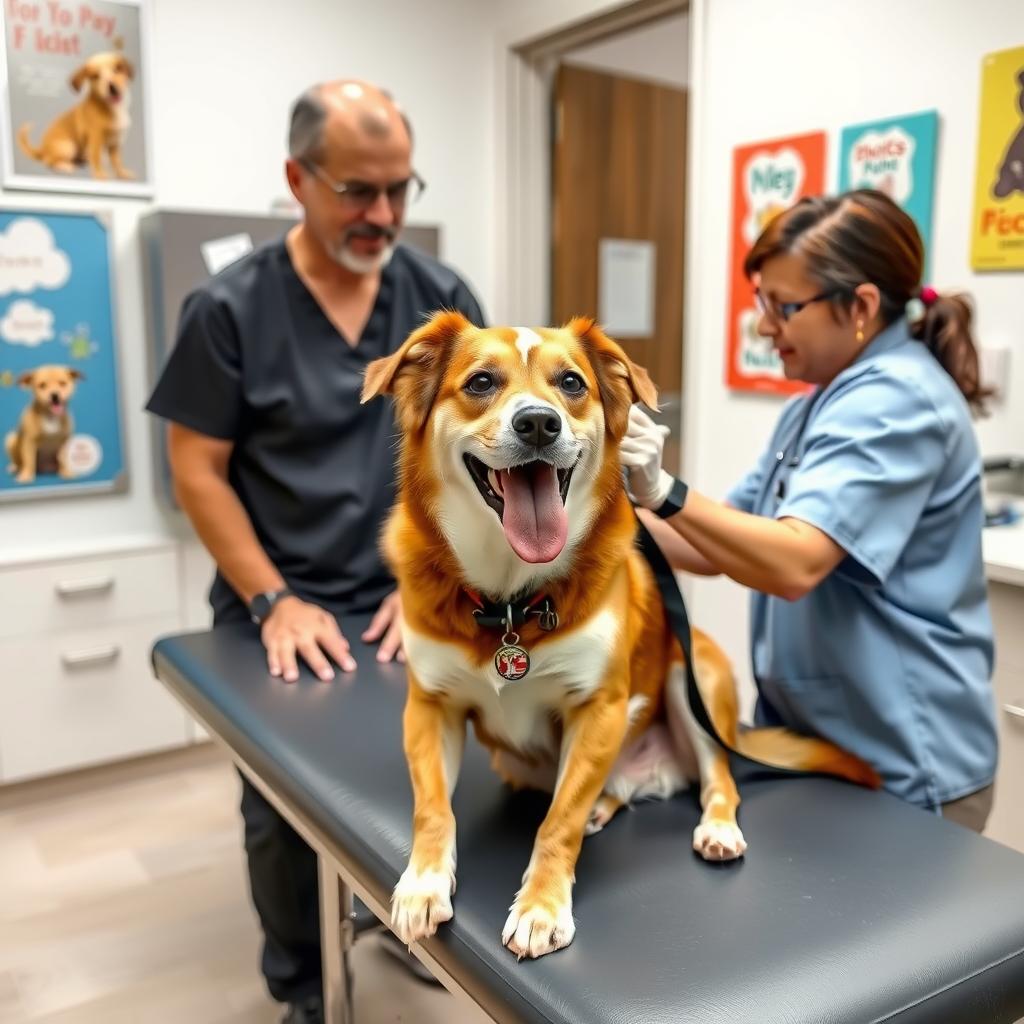
For pets, allergen-specific immunotherapy (ASIT) is used, especially for dogs and cats with atopic dermatitis. Pets receive customized injections or sublingual drops based on allergy tests, targeting environmental allergens like pollen or dust mites, which can overlap with human pet allergy triggers.
Who Can Benefit from Allergen Immunotherapy?
This treatment isn’t for everyone, but it’s highly effective for specific cases. Here’s who might benefit: - Humans with pet allergies: Those with allergic rhinitis, asthma, or conjunctivitis triggered by cats or dogs. - Pets with atopic dermatitis: Dogs and cats with chronic itching or skin issues caused by environmental allergens. - People with chronic food allergies: In rare cases, immunotherapy may help manage related sensitivities, though food allergies like FPIES require specialized approaches. - Children and adults with persistent symptoms: Those who don’t respond well to antihistamines or want to avoid long-term medication.
However, it’s not suitable for everyone. People with severe asthma, heart conditions, or those on certain medications like beta-blockers may face risks. Always consult an allergist to weigh the pros and cons.
The Science Behind It
The science of allergen immunotherapy is fascinating. It works by altering the immune system’s response, shifting from an overactive T-helper cell type-2 (Th2) response to a balanced one with more regulatory T-cells. This reduces inflammation and symptoms. According to a review in Allergy, Asthma & Clinical Immunology, immunotherapy can increase protective IgG4 antibodies, which block allergen-specific IgE from triggering reactions.
For pet allergies, the process is tailored to specific allergens. For example, cat allergies often involve Fel d 1, a protein in cat saliva and dander. Dog allergies may involve Can f 1 or Can f 5. Component-resolved diagnostics (CRD) help pinpoint these proteins for precise treatment, improving outcomes.
What to Expect During Treatment
Starting allergen immunotherapy feels like a commitment, but it’s straightforward. Here’s a typical timeline: 1. Allergy Testing: Skin prick tests or blood tests identify specific triggers. 2. Initial Phase: Small doses of allergens are given weekly, gradually increasing over 3-6 months. 3. Maintenance Phase: Doses stabilize, given every 2-4 weeks for 3-5 years. 4. Monitoring: Regular check-ins with an allergist or vet ensure safety and progress.
For humans, SCIT requires clinic visits for injections due to the risk of anaphylaxis, though this is rare. SLIT is more convenient, allowing home administration. Pets follow a similar protocol, with owners often trained to give injections or drops at home.
Benefits and Risks
The benefits of allergen immunotherapy for pet allergies are significant: - Long-term relief: Symptoms may decrease or disappear entirely. - Reduced medication use: Less reliance on antihistamines or steroids. - Improved quality of life: Enjoy time with pets without sneezing or itching. - Potential prevention: May stop new allergies or asthma from developing.
Risks exist but are minimal when managed by professionals. Side effects include local swelling at injection sites or mild allergic reactions. Severe reactions like anaphylaxis are rare but require clinics to be equipped for emergencies.
Allergen Immunotherapy and Chronic Food Allergies
While allergen immunotherapy is primarily used for environmental allergies, it’s being explored for food-related conditions like chronic food allergies and FPIES. Chronic FPIES, a severe food allergy causing vomiting and diarrhea in children, doesn’t yet have approved immunotherapy protocols, but research is promising. A study from the National Institute of Allergy and Infectious Diseases notes that oral immunotherapy for food allergies is gaining traction, though it’s not standard for FPIES yet.
For pet owners with food allergies, immunotherapy for pet dander may indirectly help by reducing overall immune sensitivity. However, FPIES requires careful management with a specialist due to its complexity.
Practical Tips for Success
To make allergen immunotherapy work for you or your pet: - Choose a qualified provider: Work with an allergist or vet experienced in immunotherapy. - Be patient: Results can take 6-12 months to become noticeable. - Combine with avoidance: Reduce exposure to pet dander with regular cleaning or air purifiers. - Track symptoms: Keep a journal to monitor progress and discuss with your provider. - Stay consistent: Missing doses can slow progress.
My Perspective: A Personal Take
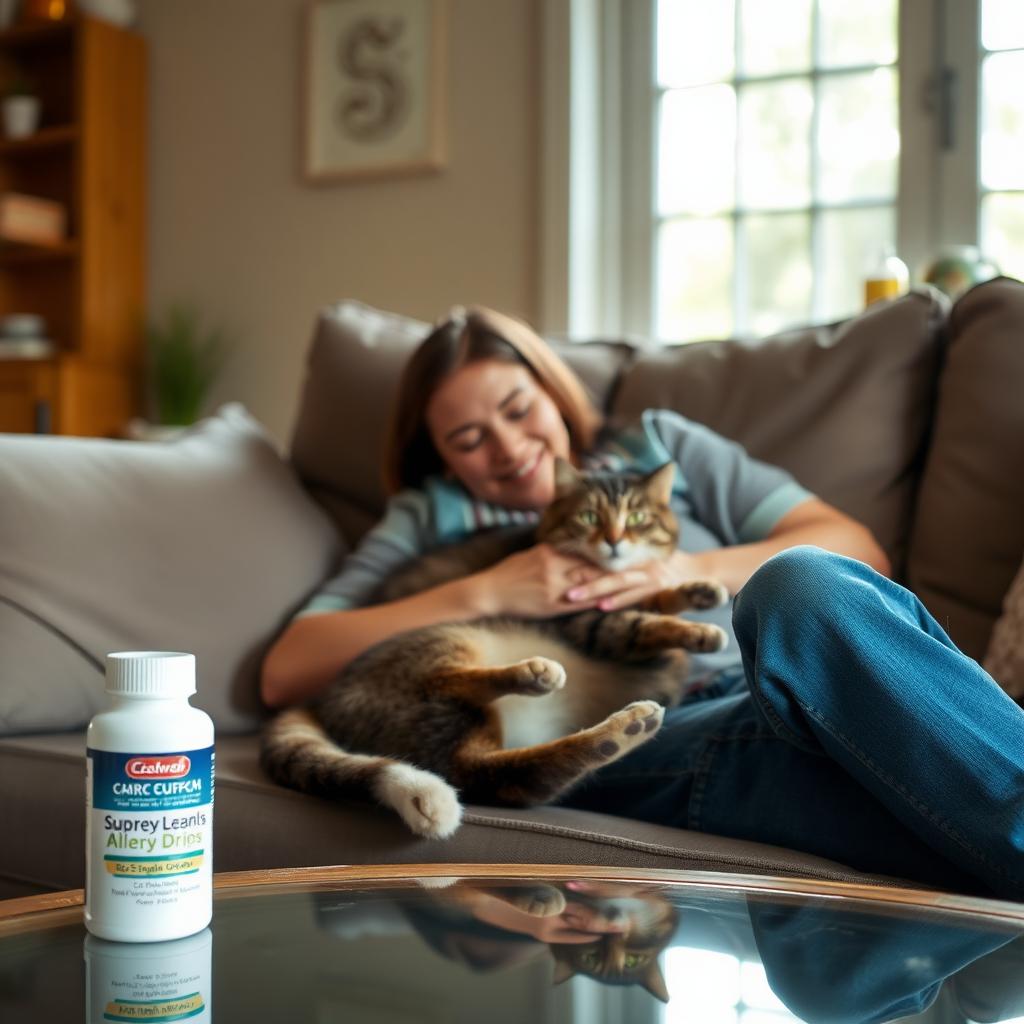
As someone who’s seen friends struggle with pet allergies, I’ve witnessed the transformative power of immunotherapy. One friend, allergic to her cat, went from constant sneezing to cuddling without a tissue box nearby after two years of SLIT. For pets, I’ve seen dogs go from scratching endlessly to playing happily after ASIT. It’s not a quick fix, but the payoff is worth it for those who stick with it.
Summary: A Hopeful Solution
Allergen immunotherapy for pet allergies offers a path to lasting relief for humans and pets alike. By retraining the immune system, it tackles the root cause of allergies, from pet dander to chronic conditions like FPIES. With patience and professional guidance, it can transform lives, letting you enjoy your furry friends without worry.

Discuss Here