Overview: Why Family Game Nights Matter
Family game nights are more than just fun—they’re a powerful way to bring everyone together. Whether it’s a lively card game or a strategic board game, these moments create laughter, connection, and memories. The benefits of family game nights extend beyond entertainment, promoting family wellness and creativity.
Strengthening Family Bonds
One of the greatest benefits of family game nights is how they strengthen relationships. When you sit around a table, rolling dice or drawing cards, everyone is on equal footing. Kids, parents, and even grandparents share the same rules and goals. I remember my own family’s game nights growing up—my dad, usually so serious, would laugh until he cried over a silly charades move. Those moments made us feel closer.
Games encourage communication. You’re not just playing; you’re talking, teasing, and cheering each other on. Studies, like one from the Journal of Family Psychology (2020), show that shared activities like gaming improve family cohesion. It’s a chance to put away screens and focus on each other, building trust and understanding.
Boosting Mental and Emotional Wellness
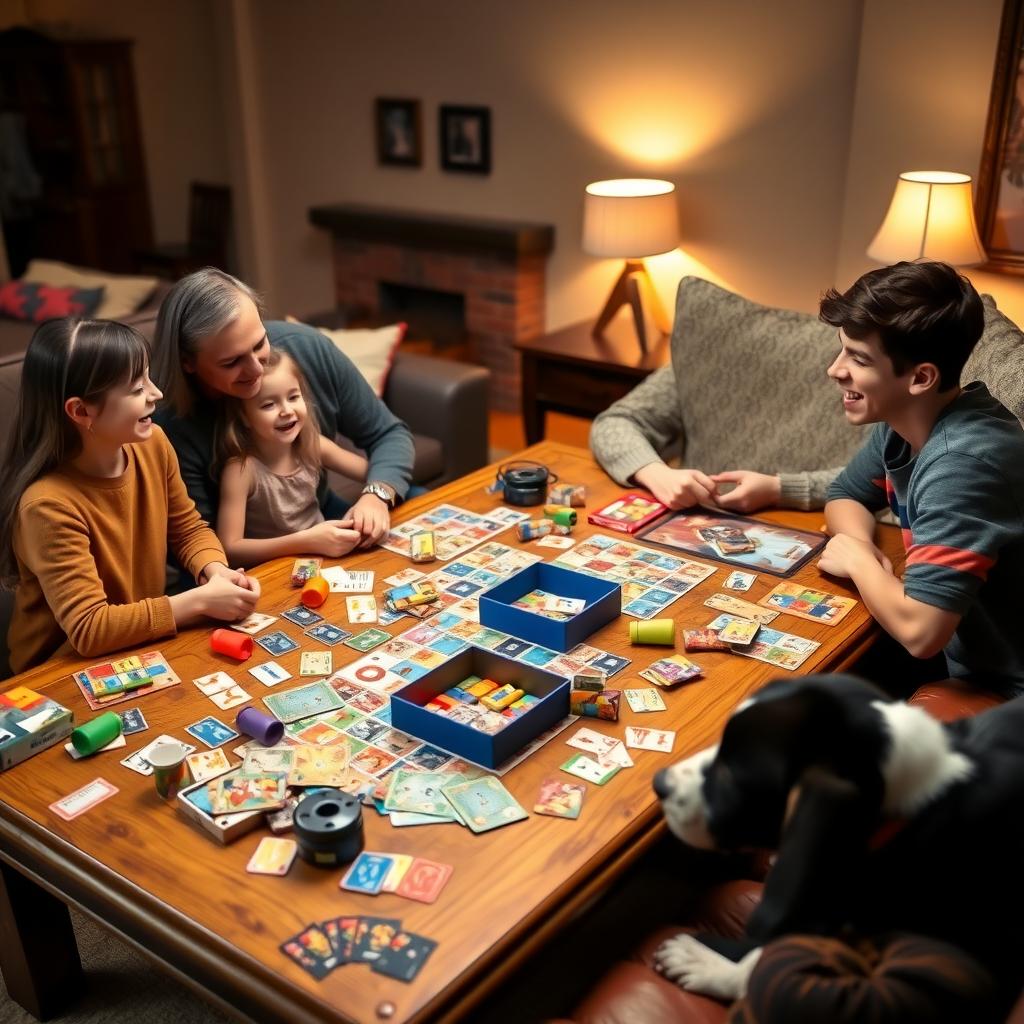
Family game nights are fantastic family wellness activities for weekends. They’re not just fun—they’re good for your brain and heart. Games challenge your mind, whether it’s solving puzzles in a cooperative game or strategizing in a competitive one. For kids, this can improve problem-solving skills and patience. For adults, it’s a chance to unwind and let go of daily stress.
I’ve seen how games lift everyone’s mood. One rainy Saturday, my kids were restless, and my husband was stressed from work. We pulled out a quick card game, and within minutes, we were all laughing. That’s the magic of family wellness activities—they create a space for joy. Research from the American Psychological Association (2021) suggests that playful activities reduce stress and boost emotional resilience for both kids and adults.
Encouraging Creativity and Imagination
Creative indoor activities for kids are hard to come by, but family game nights deliver. Many games spark imagination, like storytelling games where players create wild tales or drawing games that turn scribbles into masterpieces. These activities let kids express themselves in a safe, fun way.
Take a game like Dixit, where players interpret dreamy artwork to tell stories. My daughter once described a card as “a moon that forgot how to shine,” and we all marveled at her creativity. Games like these don’t just entertain—they inspire. They also teach kids to think outside the box, a skill that carries into school and beyond.
Teaching Valuable Life Skills
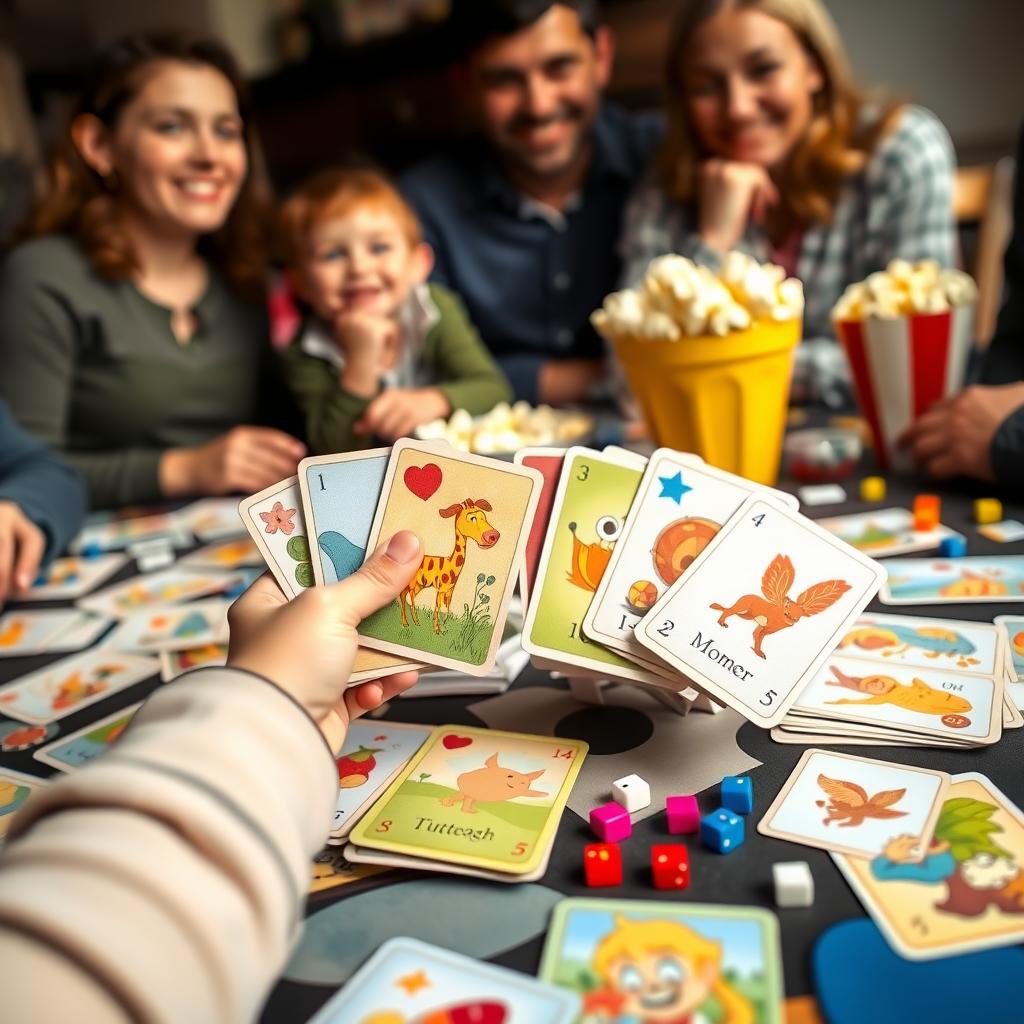
Family game nights are a sneaky way to teach kids important skills. Games often involve strategy, teamwork, or even handling disappointment when you lose. These moments prepare kids for real-world challenges. For example, games like Settlers of Catan teach resource management, while cooperative games like Pandemic emphasize working together.
I’ve watched my son learn to lose gracefully over time. At first, he’d pout if he didn’t win. But after a few game nights, he started high-fiving the winner instead. That’s a small but powerful lesson in resilience. A 2019 study from Child Development found that structured play, like board games, improves emotional regulation in children.
Creating Lasting Memories
The benefits of family game nights go beyond the moment—they create memories that stick. Think about the stories you’ll tell years from now: the time Mom accidentally flipped the board or when your toddler invented their own rules. These moments become family legends.
In my family, we still talk about the epic Monopoly game that lasted three hours and ended with my sister trading away her best properties for a single railroad. It’s not just about the game—it’s about the laughter and connection that linger long after the pieces are packed away.
Making Game Nights Work for Your Family
Starting a family game night tradition is easier than you think. Here’s how to make it a success:
- Choose the Right Games: Pick games that suit all ages. Classics like Uno or Jenga are great for mixed groups, while games like Ticket to Ride work for older kids and adults.
- Set a Regular Time: Consistency helps. Try a weekly or monthly game night to make it a habit.
- Keep It Simple: You don’t need fancy setups. A deck of cards or a simple board game is enough.
- Involve Everyone: Let each family member pick a game now and then to keep everyone engaged.
- Add Snacks: A bowl of popcorn or cookies makes it feel special.
If you’re new to game nights, start small. Even a 20-minute game can spark joy and connection.
Overcoming Common Challenges
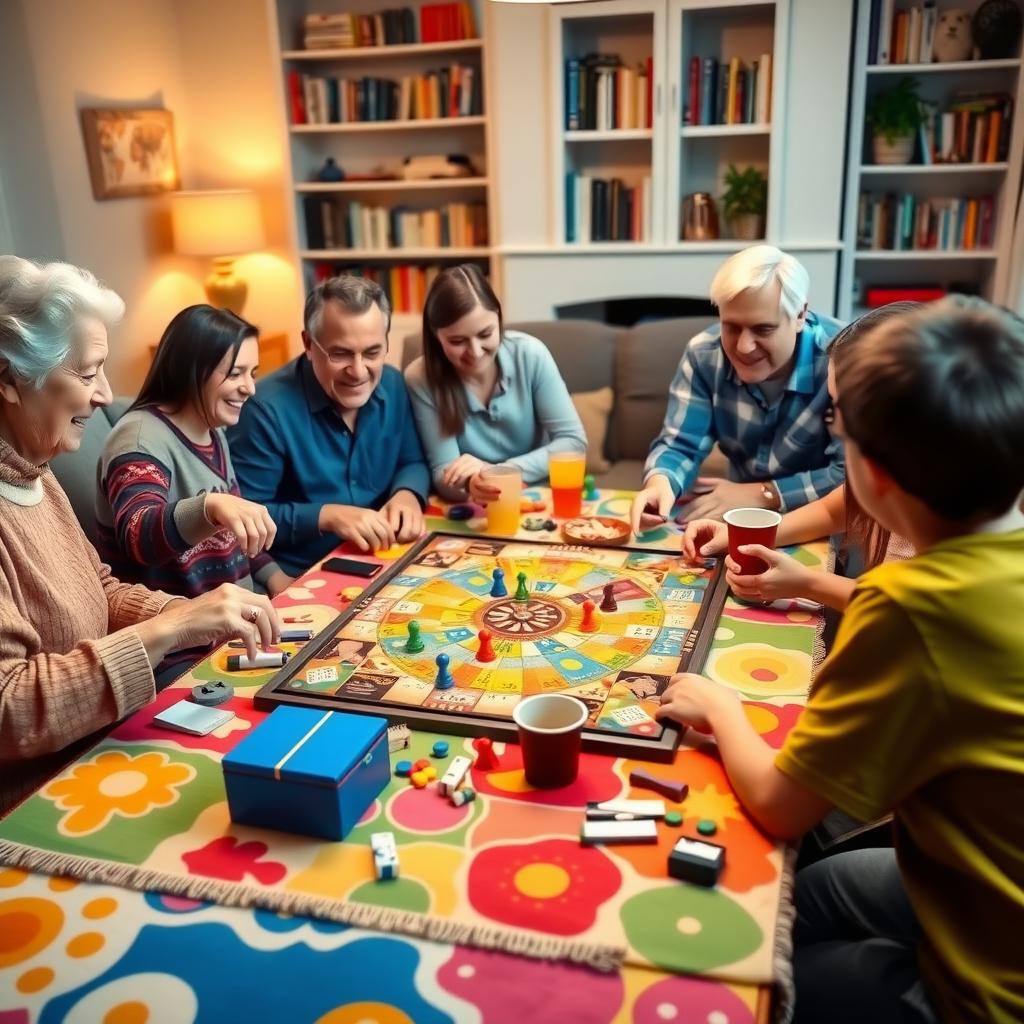
Not every game night goes perfectly, and that’s okay. Younger kids might lose focus, or teens might roll their eyes at first. Here are some tips to keep things smooth:
| Challenge | Solution |
|---|---|
| Short attention spans | Choose fast-paced games or set a timer for shorter sessions. |
| Reluctant players | Let them pick the game or start with a favorite activity. |
| Too competitive | Emphasize fun over winning and try cooperative games. |
I’ve had nights where my youngest got bored halfway through. We switched to a quick round of Go Fish, and suddenly everyone was back in. Flexibility is key.
Why Family Game Nights Are Worth It
In a world full of distractions, family game nights are a simple way to reconnect. They’re affordable, accessible, and endlessly adaptable. Whether you’re playing a quick card game or diving into a marathon board game session, you’re investing in your family’s happiness and well-being.
The benefits of family game nights—stronger bonds, mental wellness, creativity, and life skills—are hard to beat. They’re a reminder that the best moments don’t need to be complicated. Just gather around a table, roll the dice, and let the laughter begin.
Summary
Family game nights are a powerful tool for family wellness, offering benefits like stronger relationships, emotional resilience, and creative growth. These creative indoor activities for kids and adults create lasting memories and teach valuable skills. Make game nights a regular part of your weekend routine to boost family connection and joy.

Discuss Here