Overview
Food allergies in children can feel like a maze for parents, caregivers, and educators. From avoiding triggers to ensuring proper nutrition, the challenge is real. This guide offers practical Nutrition Tips for Children with Food Allergies, focusing on maintaining a balanced diet, addressing Acute FPIES, and creating safe school environments. With insights from real families and expert advice, we’ll explore how to keep kids healthy, happy, and safe.
Understanding Food Allergies in Children
Food allergies affect about 8% of children in the United States, with common triggers like milk, eggs, peanuts, and soy causing reactions ranging from mild rashes to severe gastrointestinal distress. Unlike typical allergies, Food Protein-Induced Enterocolitis Syndrome (FPIES) is a non-IgE-mediated allergy, meaning it doesn’t show up on standard allergy tests and often involves delayed symptoms like vomiting and diarrhea. Acute FPIES can be particularly alarming, with symptoms appearing 1-4 hours after eating a trigger food, sometimes leading to dehydration or shock.
For parents, the diagnosis can be a whirlwind. I remember a friend describing her son’s first FPIES reaction to rice cereal—hours of vomiting that looked like a stomach bug. It took multiple doctor visits to pinpoint the cause. This delay in diagnosis is common, as FPIES symptoms mimic other illnesses. Understanding these differences is key to managing a child’s diet effectively.
Nutrition Tips for Children with Food Allergies
Ensuring proper nutrition while avoiding allergens is a balancing act. Here are actionable tips to help:
1. Work with a Dietitian
A registered dietitian can create a personalized plan to meet your child’s nutritional needs. For kids with FPIES, where triggers like milk or grains are common, a dietitian might recommend alternatives like hydrolyzed formulas or nutrient-dense foods such as avocados and sweet potatoes. Regular check-ins help monitor growth and prevent deficiencies.
2. Read Labels Carefully
Food labels are your first line of defense. Look for allergen warnings and cross-contamination risks. For FPIES, even trace amounts of trigger foods can cause a reaction. Resources like the Food Allergy Research & Education (FARE) guide can teach you how to spot hidden allergens.
3. Introduce New Foods Gradually
When introducing solids, go slow. For kids with FPIES, reactions may not appear until the second or third exposure. Try one new food at a time, waiting a few days to monitor for symptoms. Keep a food diary to track reactions, which can help allergists pinpoint triggers.

4. Focus on Nutrient-Dense Alternatives
Eliminating allergens doesn’t mean sacrificing nutrition. Replace dairy with fortified plant-based milks like almond or oat (if safe for your child). For grains like rice or oats, try quinoa or buckwheat. Include protein-rich foods like lentils or meats, ensuring they’re not FPIES triggers. A varied diet prevents deficiencies in vitamins like calcium or B12.
5. Address Emotional Well-Being
Food restrictions can make kids feel left out. Involve them in meal planning or let them choose safe snacks. My friend’s daughter, allergic to dairy, loves picking out her favorite fruit smoothies. This small act builds confidence and reduces anxiety around food.
Understanding Food Allergies: Building Safe School Environments
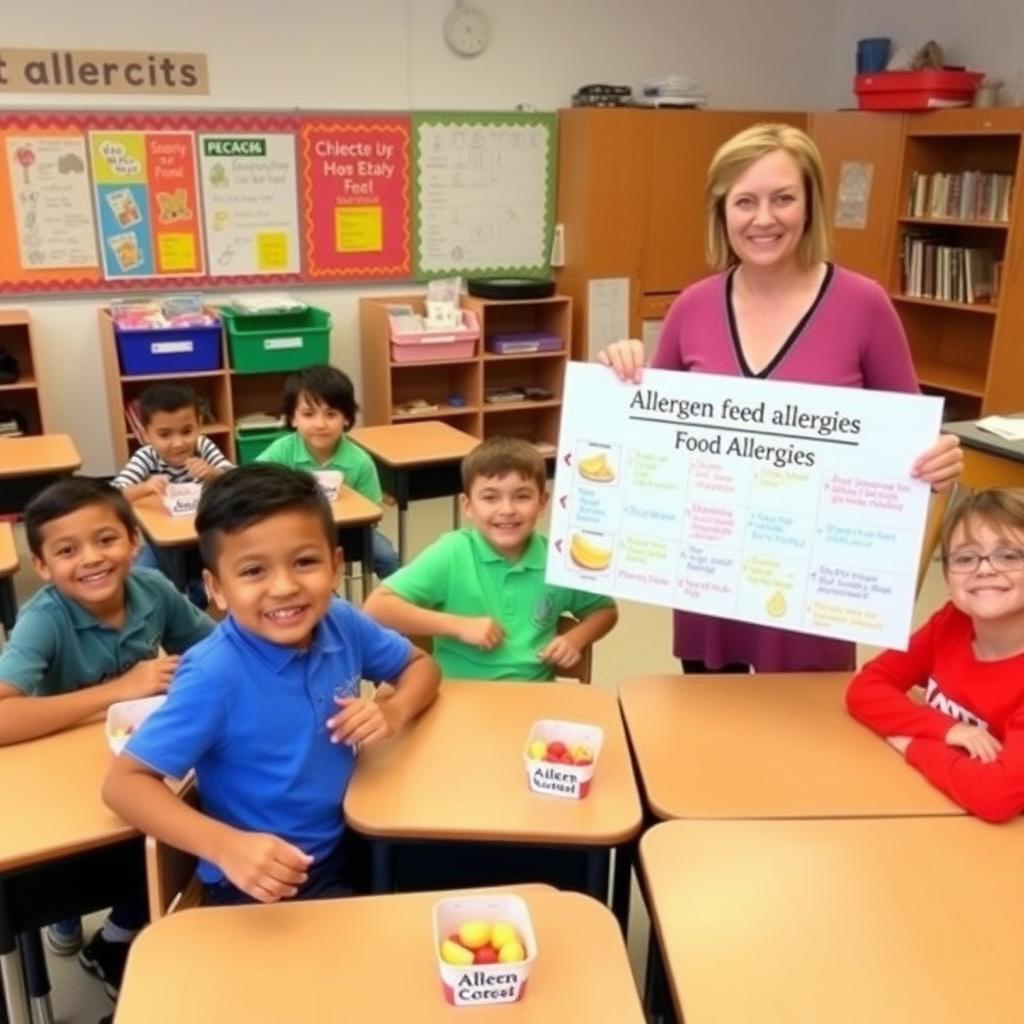
School is where food allergies meet real-world challenges. From classroom snacks to cafeteria lunches, ensuring safety requires planning. Understanding Food Allergies: Building Safe School Environments means working with teachers, nurses, and staff to create a supportive space. Here’s how:
- Communicate Clearly: Share your child’s allergy action plan, including FPIES details, with school staff. A letter from your allergist explaining symptoms and emergency protocols is invaluable. The American Academy of Allergy, Asthma & Immunology (AAAAI) offers templates for these plans.
- Train Staff: Ensure teachers know the signs of Acute FPIES, like delayed vomiting or lethargy, which differ from typical allergic reactions. Quick recognition can prevent escalation.
- Create Allergen-Free Zones: Work with the school to designate safe areas for meals and snacks, reducing cross-contamination risks.
- Educate Peers: Teach classmates about allergies in an age-appropriate way. This fosters empathy and reduces the chance of accidental exposure.
Acute FPIES and School Safety
Acute FPIES poses unique challenges in schools due to its delayed onset. Unlike immediate reactions, FPIES symptoms like severe vomiting or paleness can appear hours after eating, making it hard to connect to a specific food. For Acute FPIES and School Safety, consider these steps:
| Action | Purpose |
|---|---|
| Provide an Emergency Plan | Outlines steps for recognizing and treating FPIES reactions, including when to administer ondansetron or call 911. |
| Stock Safe Snacks | Keep a stash of pre-approved snacks in the classroom to avoid accidental exposure. |
| Train Lunch Monitors | Ensure they can spot symptoms like lethargy or vomiting and act quickly. |
| Monitor Recess and Lunch | Supervise to prevent food sharing, a common trigger for reactions. |
Parents of kids with FPIES often carry a heavy emotional load. One mom shared how she panicked every time her son went to school, fearing a reaction. Regular communication with the school eased her mind, and her son thrived with a clear plan in place.
Managing FPIES at Home
At home, managing FPIES starts with strict avoidance of trigger foods. Common culprits include milk, soy, rice, and oats, but any food can be a trigger. If breastfeeding, moms may need to eliminate allergens from their diet, as proteins can pass through breast milk. The Children’s Hospital of Philadelphia provides excellent resources on identifying triggers and safe feeding practices.
Experimenting with new foods can be nerve-wracking. Start with low-risk options like pears or carrots, and introduce them in small amounts. If a reaction occurs, stop the food and consult your allergist. Most kids outgrow FPIES by age 3-4, but an oral food challenge in a hospital is the safest way to confirm tolerance.

Overcoming Nutritional Challenges
Kids with multiple food allergies, especially FPIES, risk deficiencies in protein, calcium, or iron. Regular growth monitoring is crucial. If your child avoids dairy, ensure they get calcium from fortified foods or supplements. A dietitian can recommend safe sources of omega-3s, like flaxseed oil, if fish is a trigger. The National Institute of Allergy and Infectious Diseases offers guidelines on managing nutritional gaps.
Food aversions are another hurdle. Kids may refuse new foods after a bad reaction. Gentle encouragement and creative presentation—like making fun shapes with safe foods—can help. One parent turned mealtimes into a game, letting her daughter ‘design’ her plate, which made eating less stressful.
Summary
Navigating food allergies, especially FPIES, requires vigilance, planning, and support. By working with dietitians, communicating with schools, and focusing on nutrient-dense foods, parents can ensure their kids thrive despite dietary restrictions. Understanding Food Allergies: Building Safe School Environments and addressing Acute FPIES and School Safety empower families to create a secure, nurturing space for their children.

Discuss Here