Overview
Running your first 5K race is an exciting milestone, whether you're joining family fun runs or vibrant 5K races with fun themes. This 3.1-mile journey is achievable for beginners and offers a chance to embrace fitness, community, and personal growth. These 10 tips for your first 5K race will guide you from training to crossing the finish line with confidence.
1. Set a Realistic Goal
Your first 5K isn’t about winning—it’s about finishing and enjoying the experience. Decide if you want to run the whole race, mix running and walking, or simply complete it with family at a fun run. Setting a clear, achievable goal keeps you motivated. For example, aim to finish in under 45 minutes or to run without stopping. Write your goal down and revisit it during training to stay focused.
According to a study by the American College of Sports Medicine, goal-setting improves exercise adherence by up to 30%. Break your goal into smaller milestones, like running for 10 minutes without stopping, to build confidence.
2. Follow a Beginner-Friendly Training Plan
A structured training plan is key to preparing for 5K races. The Couch to 5K program, widely recommended by running experts, is perfect for beginners. It gradually increases your running time over 6-8 weeks, starting with short intervals of running and walking. Apps like C25K or Nike Run Club offer free plans tailored for first-timers.
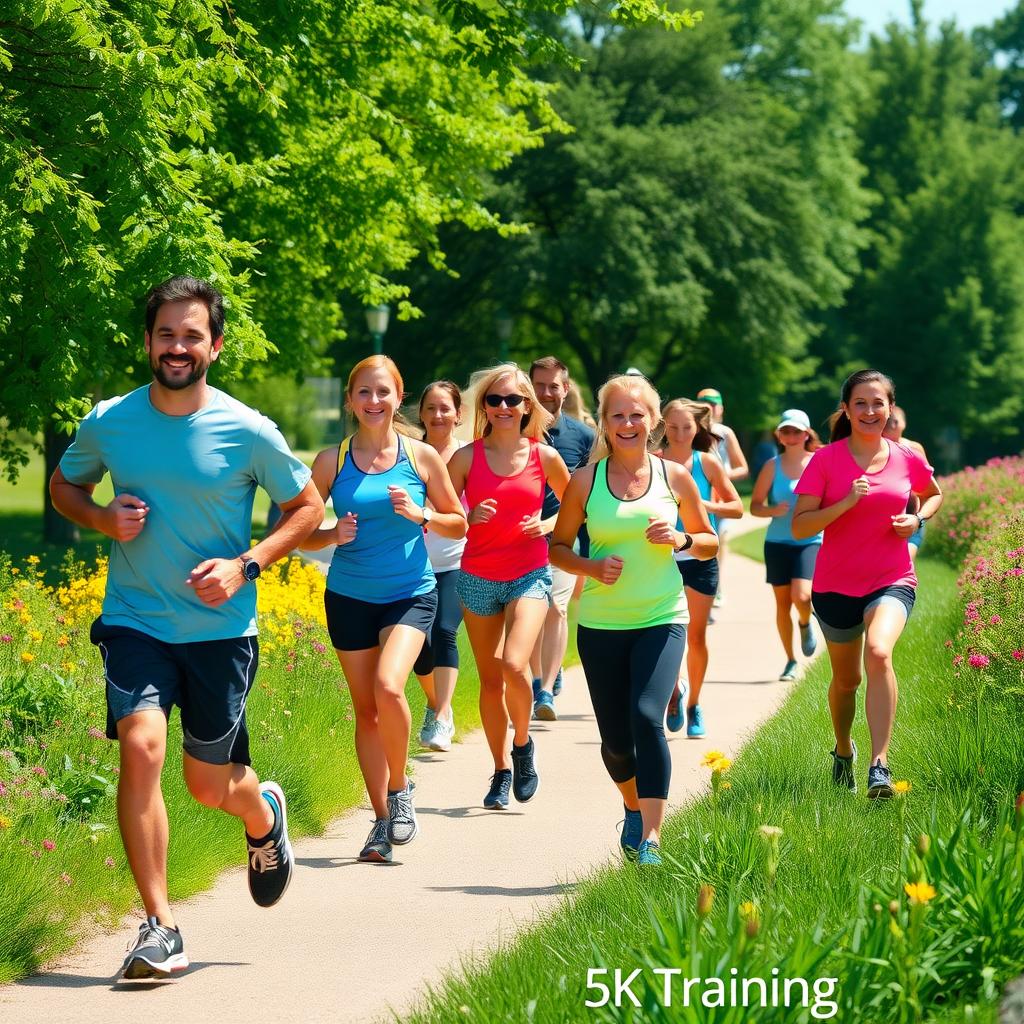
Train 3-4 times per week, mixing running, walking, and rest days. Rest is crucial—your body needs time to recover and build strength. A typical week might include two 20-minute run/walk sessions, one longer run (up to 30 minutes), and cross-training like yoga or cycling.
3. Invest in Proper Running Shoes
Good running shoes prevent injuries and make your 5K experience more comfortable. Visit a specialty running store for a gait analysis to find shoes that match your foot type and running style. Expect to spend $80-$150 on quality shoes, but they’re worth it. Replace them every 300-500 miles to avoid wear-related injuries.
The American Podiatric Medical Association emphasizes that proper footwear reduces the risk of blisters, shin splints, and joint pain. Try on shoes in the afternoon when your feet are slightly swollen to ensure a good fit.
4. Build Endurance Gradually
Don’t rush into running 3.1 miles on day one. Start with short runs, like 1-2 minutes of running followed by 1 minute of walking, and slowly increase your running time. This approach, called interval training, builds endurance while reducing injury risk. Aim to run continuously for 20-30 minutes by race day.
Mix in cross-training activities like swimming or strength training to improve overall fitness. These activities support family fitness by encouraging everyone to stay active, even if running isn’t their thing.
5. Practice Race-Day Nutrition
What you eat before and during your 5K matters. Two to three hours before training or the race, eat a light meal rich in carbs and low in fat, like oatmeal with fruit or a banana with peanut butter. Avoid heavy or new foods to prevent stomach issues.
Hydrate well the day before, aiming for 8-10 glasses of water. On race day, sip water but don’t overdo it. For most 5K races, you won’t need energy gels, but carry a small snack like a date or raisin if you feel hungry mid-race.
6. Choose the Right Race
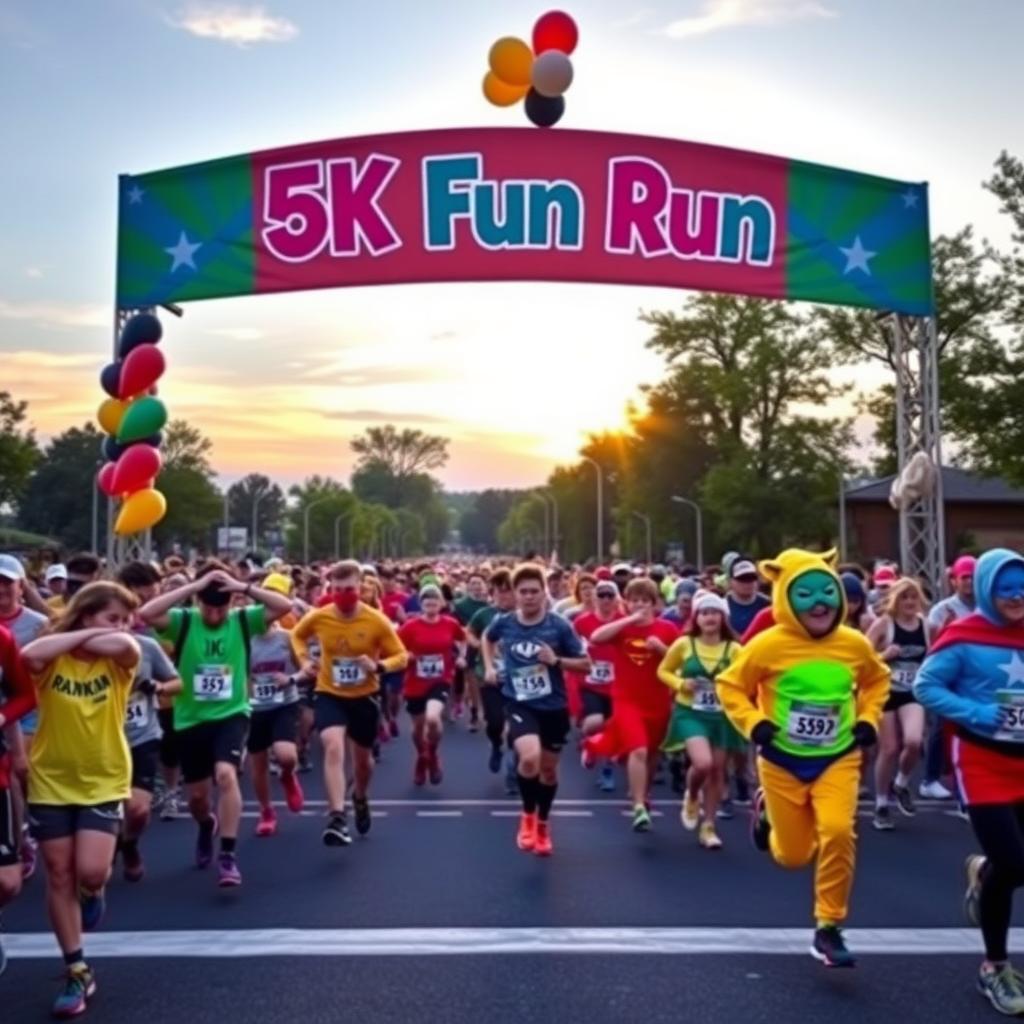
Not all 5K races are the same. Look for beginner-friendly events, like 5K races with fun themes (think color runs or superhero dashes) or family fun runs that welcome walkers and kids. Check the course map for flat terrain if hills intimidate you. Local running clubs or websites like Running in the USA list events by location and difficulty.
Sign up early to secure your spot and give yourself a deadline to train. Many races offer virtual options, letting you run your 5K at your own pace, which is great for beginners or families.
7. Simulate Race Conditions
Practice running at the same time of day as your race to prepare your body. If your 5K starts at 8 AM, do a few morning runs. Test your race-day outfit, shoes, and nutrition during these sessions to avoid surprises. If your race has hills, include them in your training.
Join a group run or family fitness event to mimic the race-day crowd. Running with others boosts motivation and prepares you for the energy of 5K races with fun themes.
8. Pace Yourself on Race Day
It’s easy to start too fast when adrenaline kicks in. Begin at a comfortable pace, one where you can talk without gasping. If you’re unsure, aim for a pace slightly slower than your training runs. Most 5K races have pacers—runners holding signs for specific finish times (e.g., 30 or 40 minutes). Stick with one if you’re nervous.
Walk through water stations if needed, but keep moving. Save a little energy for a strong finish in the last half-mile.
9. Embrace the Community Spirit
5K races are about more than running—they’re celebrations of health and community. Chat with other runners, high-five kids at family fun runs, or wear a silly costume for themed races. The energy of the crowd will carry you through tough moments. Arrive early to soak in the pre-race excitement and connect with others.
Volunteering at a race before your own can also help you understand the vibe and logistics, making you feel more prepared.
10. Celebrate Your Achievement
Crossing the finish line of your first 5K is a big deal, whether you run, walk, or crawl. Take photos, share your story, and enjoy the post-race festivities, which often include food, music, and medals. Reflect on your journey and set a new goal, like improving your time or trying a themed 5K.
A study from the University of Minnesota found that celebrating small fitness achievements boosts long-term motivation. So, treat yourself to a nice meal or a new running accessory to mark the occasion.
Summary
Your first 5K race is an exciting step toward fitness and fun. With these 10 tips for your first 5K race, you’re ready to train smart, choose the right event, and enjoy the journey. Whether you’re running solo or with family at a fun run, embrace the experience and celebrate your success!

Discuss Here