Overview: Building a Healthier Family Together
Creating a family wellness program is a rewarding way to boost health, strengthen bonds, and make fitness fun for everyone. By combining family fitness activities for the home with simple nutrition goals and mental wellness practices, you can foster a lifestyle that benefits every family member, regardless of age or fitness level.
Why Start a Family Wellness Program?
A family wellness program isn’t just about exercise—it’s about creating habits that improve physical, mental, and emotional health. Studies from the American Heart Association show that regular physical activity reduces stress and improves heart health, which benefits both kids and adults. When families work together, everyone stays motivated, and the journey feels less like a chore and more like a shared adventure.
My own family struggled to find time for fitness until we started a weekly routine of games and workouts. It wasn’t perfect at first—there were complaints and scheduling hiccups—but seeing my kids laugh during a silly dance-off made it worth it. Here’s how you can build your own program with practical, beginner-friendly steps.
Step 1: Set Clear, Inclusive Goals
Start by gathering everyone for a family meeting. Ask each person what they want to achieve—maybe your teen wants to feel stronger, or your younger child loves outdoor games. Write down goals like “walk 30 minutes three times a week” or “try one new healthy recipe monthly.” Keep them realistic and flexible.
Tips for Setting Goals: - Involve everyone to ensure buy-in. - Focus on fun, not perfection. - Track progress with a family chart or app.

Step 2: Incorporate Family Fitness Activities for the Home
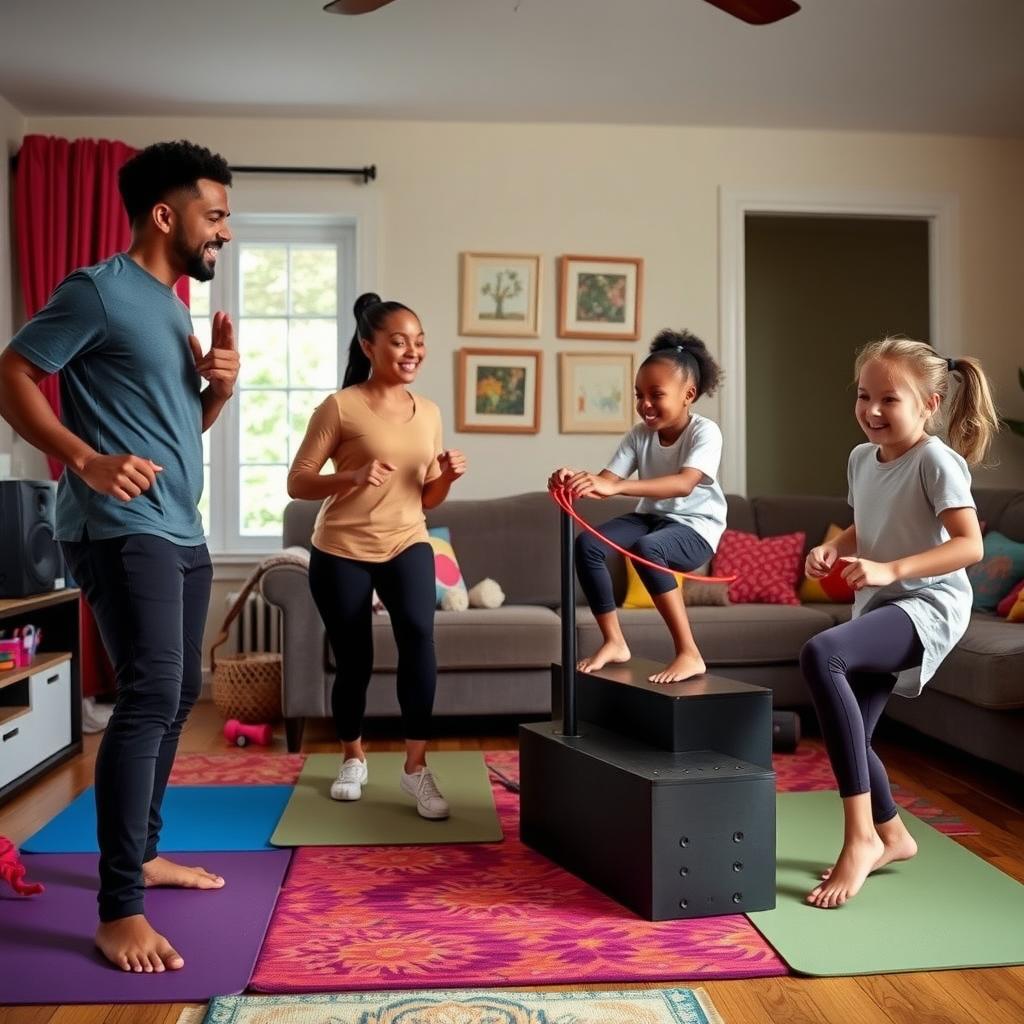
You don’t need a gym to get moving. Family fitness activities for the home can be simple, budget-friendly, and fun. Try these ideas:
- Living Room Dance Party: Pick a playlist and dance for 20 minutes. It’s a great cardio workout for beginners at home and gets everyone laughing.
- Obstacle Course: Use pillows, chairs, and ropes to create a course. Time each person for friendly competition.
- Yoga Together: Follow a beginner yoga video on YouTube. It’s low-impact and great for flexibility.
Research from Harvard Medical School highlights that even moderate exercise improves mood and energy levels, making these activities perfect for families.
Step 3: Add Cardio Workouts for Beginners at Home
Cardio workouts are essential for heart health and stamina. For beginners, start small to avoid burnout. Here are three cardio workouts tailored for families:
| Workout | Description | Duration |
|---|---|---|
| Marching in Place | Lift knees high while swinging arms. Add music for fun. | 10-15 min |
| Jump Rope (No Rope) | Mimic jump rope motions without equipment. | 5-10 min |
| Stair Climbs | Walk or jog up and down stairs (or a step stool). | 10 min |
When my family started, we could barely do 10 minutes of marching without giggles or complaints. Now, we mix in short bursts of these exercises during TV commercial breaks.
Step 4: Make Nutrition a Family Affair
Wellness isn’t just about exercise—nutrition plays a huge role. Involve kids in meal planning and cooking to teach healthy habits. Try these:
- Smoothie Challenge: Each family member creates a smoothie with fruits, veggies, and protein.
- Meatless Mondays: Experiment with plant-based meals once a week.
- Snack Swaps: Replace chips with veggies and hummus.
The CDC emphasizes balanced diets for long-term health, and cooking together builds teamwork. My kids love making “monster smoothies” with spinach—they think it’s funny to drink something green.
Step 5: Prioritize Mental Wellness
A family wellness program should include mental health. Stress affects everyone, even kids. Try these activities:
- Gratitude Circle: Share one thing you’re thankful for daily.
- Mindful Breathing: Practice 5 minutes of deep breathing as a family.
- Screen-Free Time: Set aside an hour for board games or storytelling.
These small habits made a big difference in my household. Our nightly gratitude circle turned into a cherished ritual where even my shy teen opened up.
Step 6: Create a Flexible Schedule
A consistent schedule keeps everyone on track, but flexibility is key. Aim for 3-4 wellness activities per week, mixing cardio workouts, nutrition goals, and mental health practices. Use a shared calendar to plan sessions, but don’t stress if life gets in the way—adapt and keep going.
Sample Weekly Schedule: - Monday: Dance party (20 min) + smoothie night - Wednesday: Yoga (15 min) + gratitude circle - Friday: Obstacle course (20 min) + screen-free game night - Sunday: Family walk (30 min)

Step 7: Track Progress and Celebrate Wins
Keep motivation high by tracking progress and celebrating milestones. Use a wall chart to mark completed workouts or try a fitness app for older kids and adults. Celebrate with non-food rewards like a movie night or a new game.
In my family, we made a “Wellness Win” jar. Every time we hit a goal, we added a star. After 10 stars, we picked a fun outing. It kept us excited and committed.
Overcoming Common Challenges
Starting a family wellness program isn’t always smooth. Here’s how to tackle common issues:
- Lack of Time: Break activities into 10-minute chunks.
- Picky Eaters: Let kids choose one healthy ingredient to include.
- Resistance: Start with activities kids already enjoy, like dancing or biking.
The Mayo Clinic suggests starting small to build habits, which worked for us when my youngest refused to join in at first.
Summary: Your Path to Family Wellness
Creating a family wellness program is about small, intentional steps that bring everyone together. By blending family fitness activities for the home, beginner-friendly cardio workouts, healthy eating, and mental wellness practices, you’ll build a sustainable, fun routine. Start today, stay flexible, and enjoy the journey to a healthier family.

Discuss Here