Overview: Affordable Family Retreats for Lasting Memories
Planning a family retreat doesn’t have to drain your savings. With thoughtful preparation, you can create a meaningful experience that strengthens family bonds and promotes wellness. This guide shares practical steps to plan a budget-friendly family retreat, packed with tips to maximize fun and connection.
Why Family Retreats Matter
Family retreats offer a chance to step away from daily routines and focus on connection. The benefits of family wellness retreats go beyond relaxation—they foster communication, create shared memories, and promote mental and physical health. According to a study from the American Psychological Association, quality family time reduces stress and improves emotional well-being for both kids and adults. A retreat doesn’t need to be expensive to deliver these rewards. With smart planning, you can achieve the same benefits on a budget.
When my family planned our first retreat, we were overwhelmed by the costs of fancy resorts. Instead, we focused on what mattered: being together. That shift in perspective led us to affordable destinations and activities that brought us closer than any luxury getaway could.
Step 1: Define Your Retreat Goals
Start by asking what you want from the retreat. Are you aiming for relaxation, adventure, or personal growth? For example, my family wanted a mix of outdoor fun and quiet evenings to reconnect. Defining these goals helps you prioritize spending and avoid unnecessary expenses.
Consider these questions: - What activities make your family feel energized? - Do you want structured activities or free time? - Are there specific skills or values you want to share with your kids?
Clear goals keep your planning focused and budget-conscious.
Step 2: Choose a Budget-Friendly Destination
You don’t need a pricey resort for a great retreat. Look for local or regional destinations to save on travel costs. State parks, community centers, or nearby lakes offer affordable venues with plenty of activities. For example, U.S. National Park Service lists hundreds of parks with low-cost camping and day-use fees.
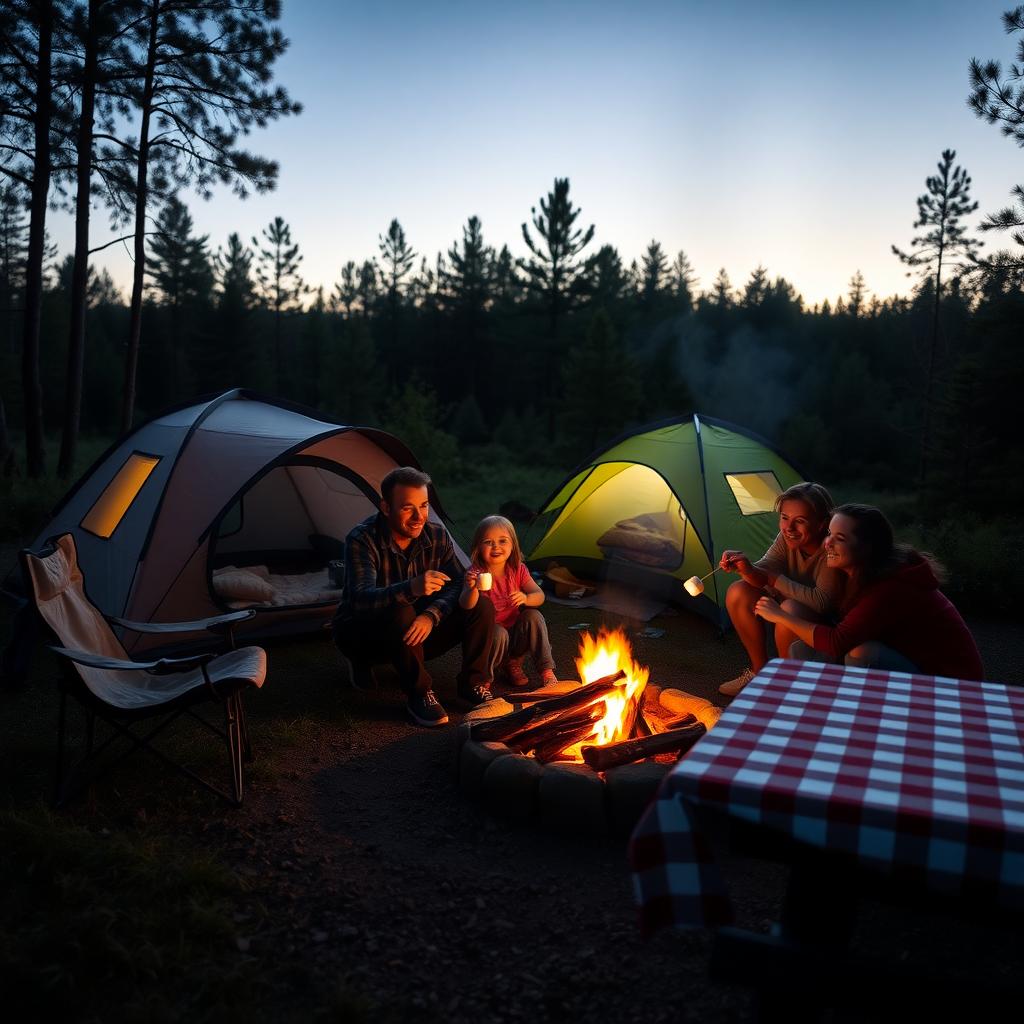
When we planned our retreat, we chose a state park an hour from home. The $20 campsite fee gave us access to hiking trails, a lake, and picnic areas. Driving instead of flying kept costs low, and the kids loved the adventure of sleeping in a tent.
Step 3: Plan Affordable Activities
Focus on activities that are low-cost or free but high on engagement. Many family wellness benefits come from simple, shared experiences. Here’s a table of budget-friendly activity ideas:
| Activity | Cost | Wellness Benefit |
|---|---|---|
| Nature Hikes | Free | Boosts physical health and reduces stress |
| Storytelling Nights | Free | Encourages creativity and bonding |
| DIY Crafts | $5-$15 | Fosters teamwork and self-expression |
| Group Cooking | $20-$40 | Builds cooperation and healthy eating habits |
Our family’s favorite was a scavenger hunt we created using a free app. The kids spent hours exploring, laughing, and working together, all for the cost of a printed checklist.
Step 4: Save on Accommodations
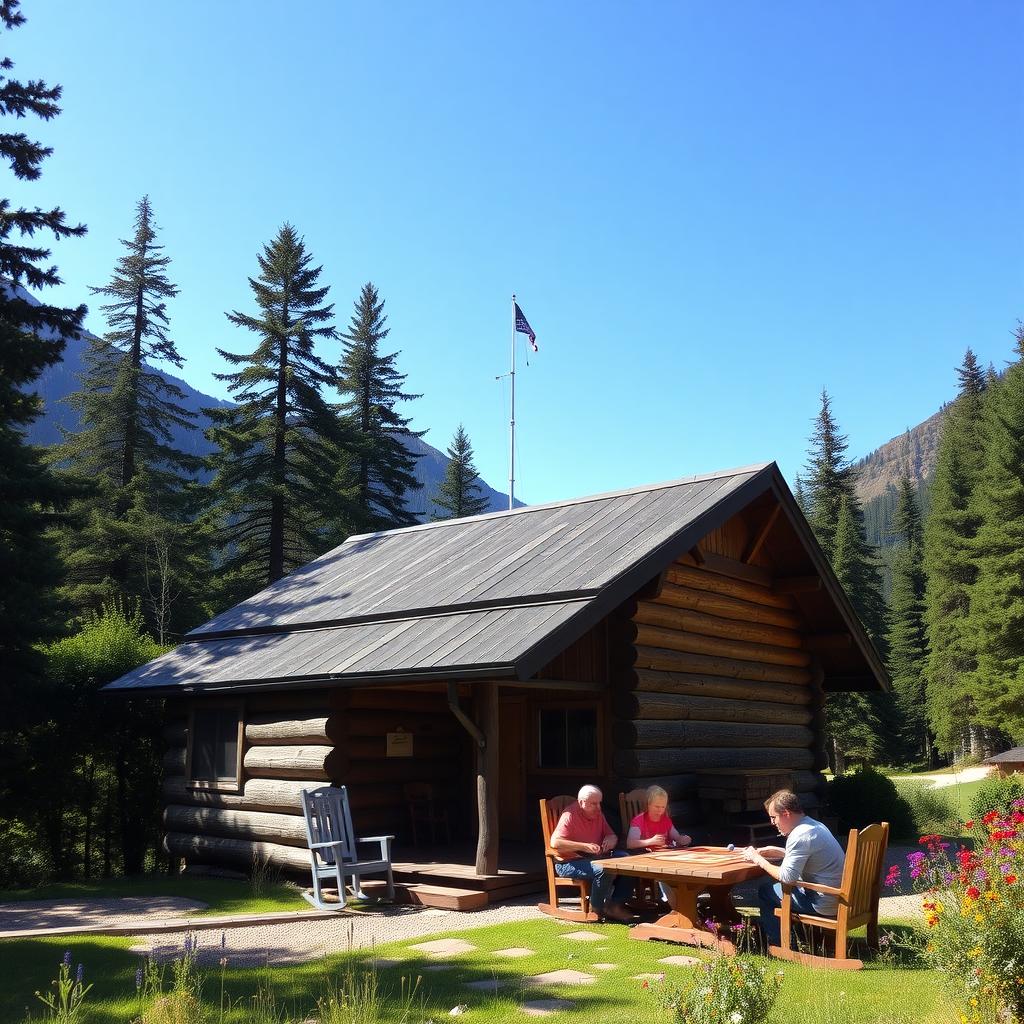
Accommodations often eat up the biggest chunk of a retreat budget. Skip hotels and consider these alternatives: - Camping: Tent camping is cheap and immersive. Many sites cost $10-$30 per night. - Cabins or Yurts: State parks often have basic cabins for $50-$100 per night, a fraction of hotel prices. - Home Exchanges: Platforms like HomeExchange let you swap homes with another family, cutting costs entirely.
We opted for a tent, but a friend recommended renting a yurt for their retreat. It felt like a luxury for half the price of a hotel.
Step 5: Budget for Meals
Food can be a major expense, but you can keep it affordable with planning. Pack a cooler with groceries to avoid pricey restaurants. Plan simple meals like sandwiches, pasta, or grilled veggies. If you’re camping, a portable stove or campfire can handle most cooking needs.
We spent $50 on groceries for a three-day retreat, compared to $200 we’d have spent eating out. The kids loved helping cook, and we turned meal prep into a fun group activity. For snacks, buy in bulk or make your own trail mix.
Step 6: Leverage Free Resources
Many communities offer free resources that align with family wellness goals. Libraries often host workshops or provide free passes to local attractions. Websites like Eventbrite list free family-friendly events, from yoga sessions to nature walks.
During our retreat, we found a free guided hike through a local nature center. The guide taught us about local plants, and the kids felt like explorers. These experiences add value without adding costs.
Step 7: Set a Realistic Budget
To keep your retreat affordable, create a clear budget. Here’s a sample breakdown for a three-day family retreat for four:
| Category | Estimated Cost |
|---|---|
| Accommodation (camping) | $60 |
| Food (groceries) | $50 |
| Activities (crafts, gas) | $30 |
| Miscellaneous | $20 |
| Total | $160 |
Track expenses with a simple spreadsheet or app. We used a free budgeting app to stay on track, which helped us avoid overspending.
Step 8: Involve the Family in Planning
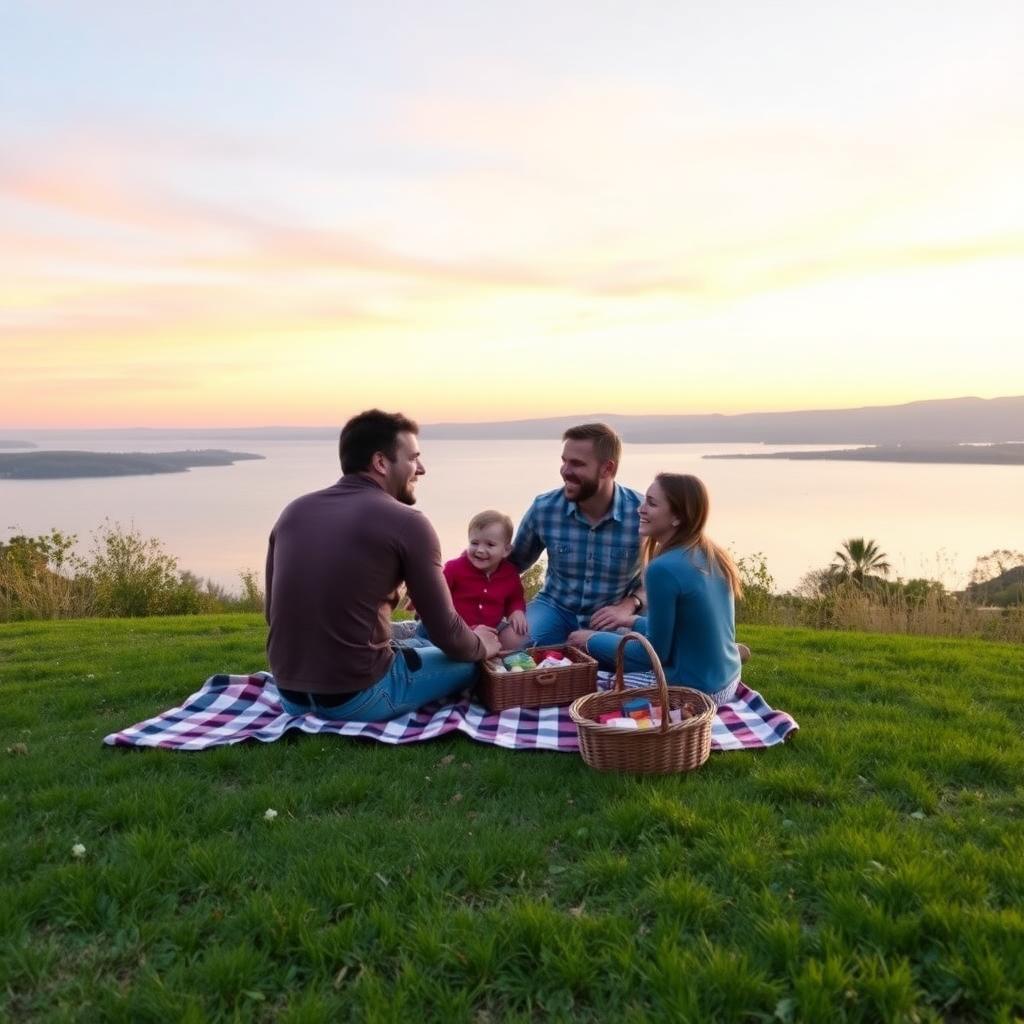
Get everyone involved to make the retreat meaningful. Kids feel valued when their ideas are included, and it teaches them budgeting skills. Let them suggest activities or help pack. Our daughter proposed a stargazing night, which became the highlight of our trip—and it was free.
Involving the family also ensures everyone’s needs are met. If someone loves art, include a drawing session. If another prefers sports, plan a game. This approach maximizes the benefits of family wellness retreats.
Step 9: Reflect and Recharge
A retreat isn’t just about activities—it’s about reflection. Set aside time for quiet moments, like journaling or a group gratitude circle. These practices enhance emotional health, as noted in a Harvard Health study. We ended our retreat with a campfire talk, sharing what we loved about the weekend. It deepened our connection and left us refreshed.
Summary: Affordable Retreats, Priceless Memories
Planning a family retreat on a budget is about prioritizing connection over cost. By choosing affordable destinations, planning simple activities, and involving everyone, you can create a wellness-focused experience that strengthens bonds. Use these tips to design a retreat that’s both meaningful and wallet-friendly.

Discuss Here