Overview: A Path to Holistic Health Through Yoga
Wellness programs are transforming how we approach health, blending physical activity, mental clarity, and emotional balance. Integrating yoga into these programs offers a powerful way to achieve holistic well-being. By combining mindful movement and breathwork, yoga fosters an active lifestyle and longevity, making it a cornerstone of modern wellness.
Why Yoga Matters in Wellness Programs
Yoga isn’t just stretching on a mat—it’s a practice that connects body, mind, and spirit. Wellness programs that include yoga tap into its ability to reduce stress, improve flexibility, and boost mental health. Unlike high-intensity workouts, yoga is accessible to all ages and fitness levels, making it ideal for diverse groups. Studies from the National Center for Complementary and Integrative Health show yoga can lower cortisol levels, helping manage stress and anxiety. This makes it a perfect fit for workplace or community wellness initiatives aiming to promote holistic health.
How Yoga Boosts Mental Health and Longevity
Mental health is at the heart of any wellness program. Yoga’s meditative practices, like deep breathing and mindfulness, calm the nervous system. I’ve seen friends who were skeptical about yoga start practicing and notice sharper focus and less anxiety within weeks. Research from Harvard Medical School highlights that yoga can improve mood and even reduce symptoms of depression. By fostering emotional resilience, yoga supports longevity by reducing the wear and tear of chronic stress on the body.
Physical Benefits of Yoga in an Active Lifestyle
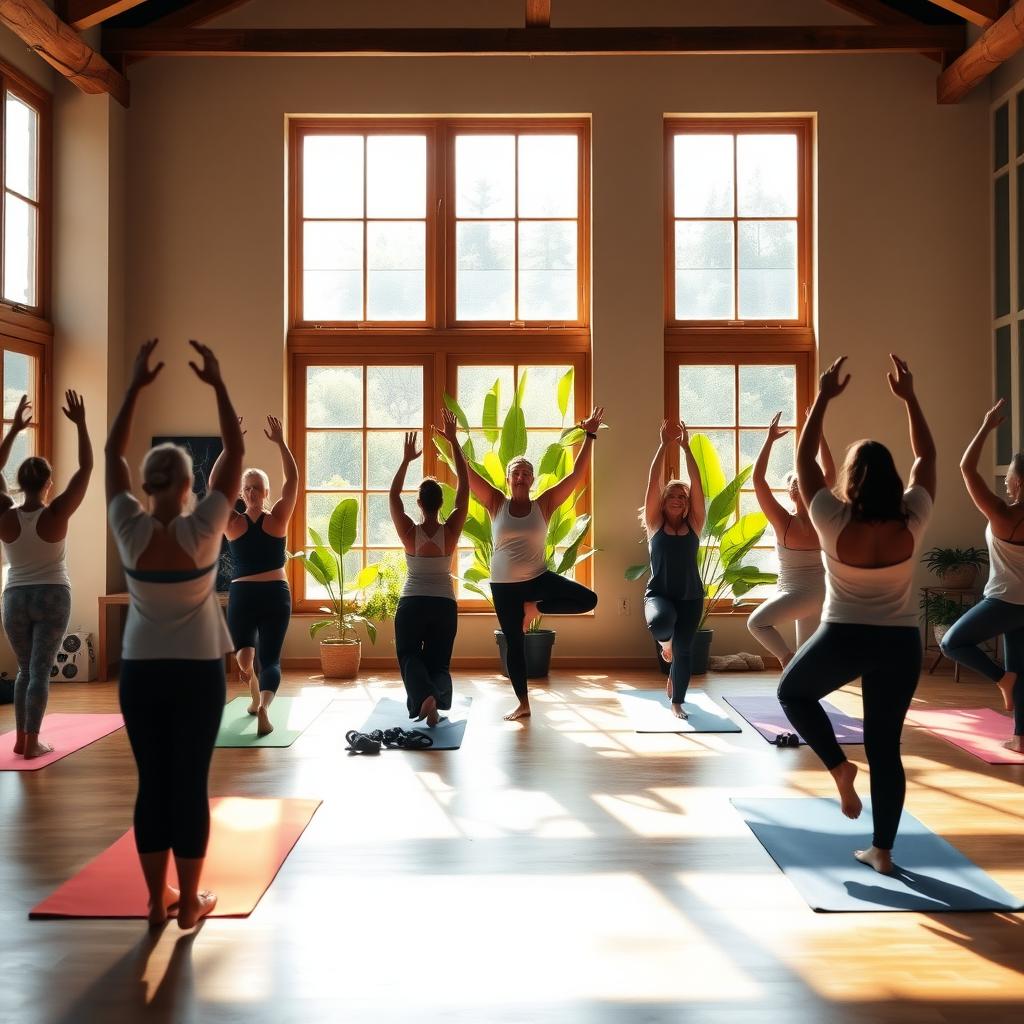
Yoga is a cornerstone of an active lifestyle. It builds strength, improves balance, and enhances flexibility without the joint strain of high-impact exercises. For example, poses like downward dog or warrior II engage multiple muscle groups, promoting full-body fitness. According to the American Heart Association, yoga can lower blood pressure and improve cardiovascular health, key factors in longevity. Whether you’re a beginner or an athlete, yoga adapts to your needs, making it a sustainable choice for physical activity programs.
Integrating Yoga into Wellness Programs
Adding yoga to wellness programs requires thoughtful planning. Here are some practical steps to make it work:
- Start Small: Offer beginner-friendly sessions, like 20-minute chair yoga for office settings.
- Train Instructors: Ensure facilitators are certified and can adapt classes for all levels.
- Create a Schedule: Provide morning or lunchtime sessions to fit busy lifestyles.
- Promote Accessibility: Use online platforms for virtual classes or hybrid options.
I once joined a workplace yoga program that offered weekly sessions, and it transformed my afternoons—less stress, more energy. Programs that prioritize flexibility and inclusivity see higher participation.
Yoga’s Role in Community and Workplace Wellness
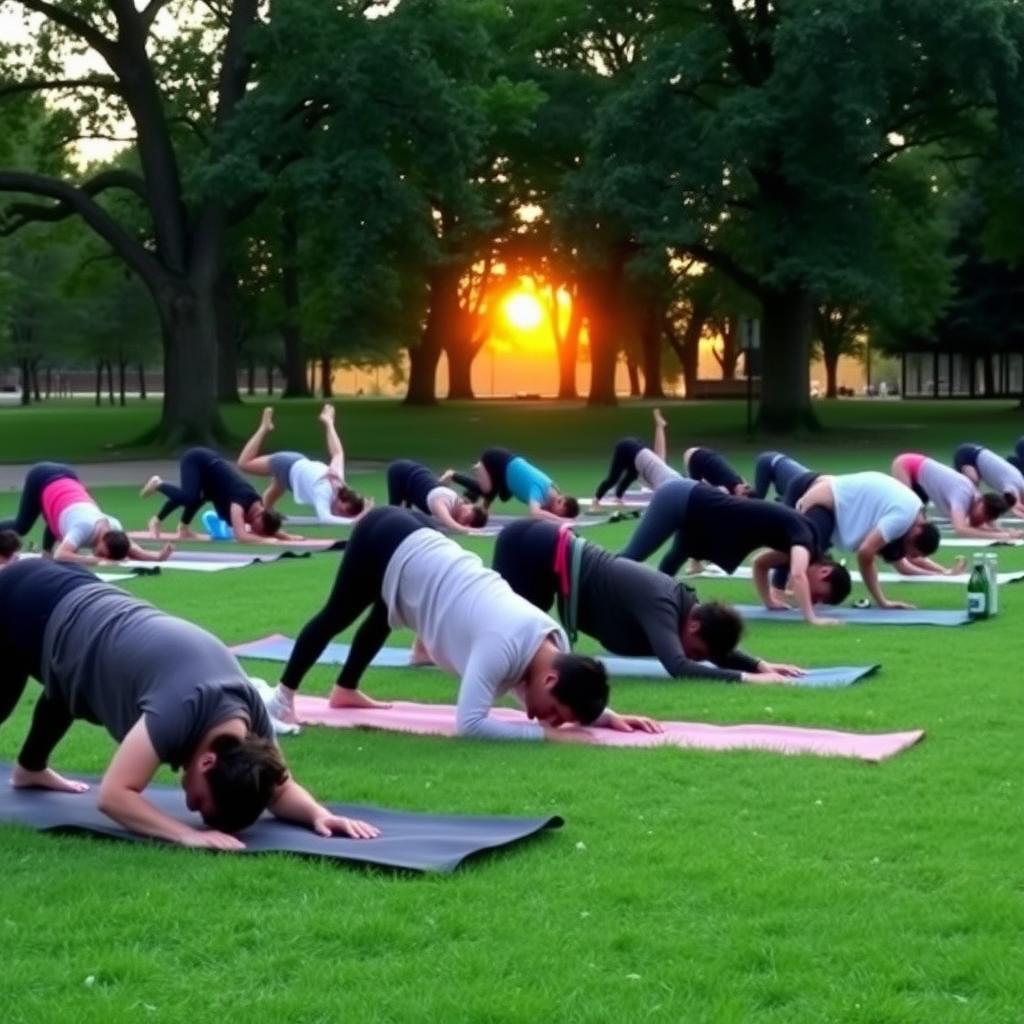
Wellness programs thrive when they build community. Yoga classes create a shared space for connection, whether in an office or a local gym. I’ve watched colleagues bond over shared struggles with balancing poses, laughing and encouraging each other. This social aspect boosts morale and accountability. Data from the World Health Organization emphasizes that social support improves mental health outcomes, making group yoga sessions a win-win for wellness initiatives.
Overcoming Barriers to Yoga in Wellness Programs
Not everyone jumps at the idea of yoga. Some see it as too slow or “not a real workout.” Others worry about flexibility or cultural misconceptions. Address these by educating participants about yoga’s benefits and offering trial classes. For example, a friend thought yoga was too “woo-woo” until he tried a power yoga class and loved the challenge. Programs should also consider affordability—free or subsidized sessions can remove financial barriers, ensuring inclusivity.
Yoga for Longevity: A Lifelong Practice
Yoga’s gentle approach makes it ideal for aging populations. Poses like seated forward bends or gentle twists improve mobility and reduce fall risks, key concerns for older adults. A 2020 study from the Journal of the American Geriatrics Society found that regular yoga practice improved balance and quality of life in seniors. By integrating yoga, wellness programs can support active aging, helping people stay vibrant and independent longer.
Practical Tips for Starting Your Yoga Journey
Ready to try yoga in a wellness program? Here’s how to begin:
| Step | Action |
|----------|-----------|
| Find a Class | Look for local or online sessions tailored to beginners. |
| Get Gear | A yoga mat and comfortable clothes are all you need. |
| Set Goals | Aim for consistency, like one session a week. |
| Listen to Your Body | Modify poses to avoid strain and build confidence. |
I started with just 10 minutes a day, and it felt like a gift to myself. Small steps lead to big changes.

Measuring the Impact of Yoga in Wellness Programs
To ensure success, programs should track outcomes. Surveys can gauge participants’ stress levels or mood before and after sessions. Fitness trackers can measure improvements in heart rate or sleep quality. In my experience, tracking progress—like noticing better sleep after evening yoga—keeps motivation high. Organizations can also monitor attendance and retention to assess engagement. These metrics help refine programs to maximize benefits.
Summary: Yoga as a Wellness Game-Changer
Wellness programs integrating yoga offer a holistic path to health, blending physical activity, mental clarity, and community connection. By reducing stress, boosting fitness, and supporting longevity, yoga transforms lives. Whether at work or in your community, starting a yoga practice can spark lasting change. Take the first step today—your body and mind will thank you.

Discuss Here