Overview: Why Community Resources Matter for Family Wellness
Families today face countless demands—busy schedules, financial pressures, and the challenge of staying connected. Community resources for family wellness offer practical support to help families stay healthy, balanced, and strong. From parenting classes to mental health services, these resources can make a real difference. This article explores how to find and use them effectively.
Understanding Community Resources for Family Wellness
Community resources for family wellness include programs, services, and organizations designed to support families in achieving physical, mental, and emotional health. These can be local, like community centers offering fitness classes, or online, like virtual support groups for parents. My family has leaned on these resources during tough times, like when my daughter struggled with anxiety. A local parenting workshop gave us tools to help her cope, and it felt like a lifeline.
These resources aren’t just for crises. They help families build resilience, strengthen bonds, and prevent burnout. Whether it’s a free yoga class, a food pantry, or a family counseling session, the right resource can transform daily life.
Types of Community Resources for Families
Communities offer a wide range of resources tailored to family needs. Here’s a breakdown of the most common types:
| Resource Type | Examples | Benefits |
|---|---|---|
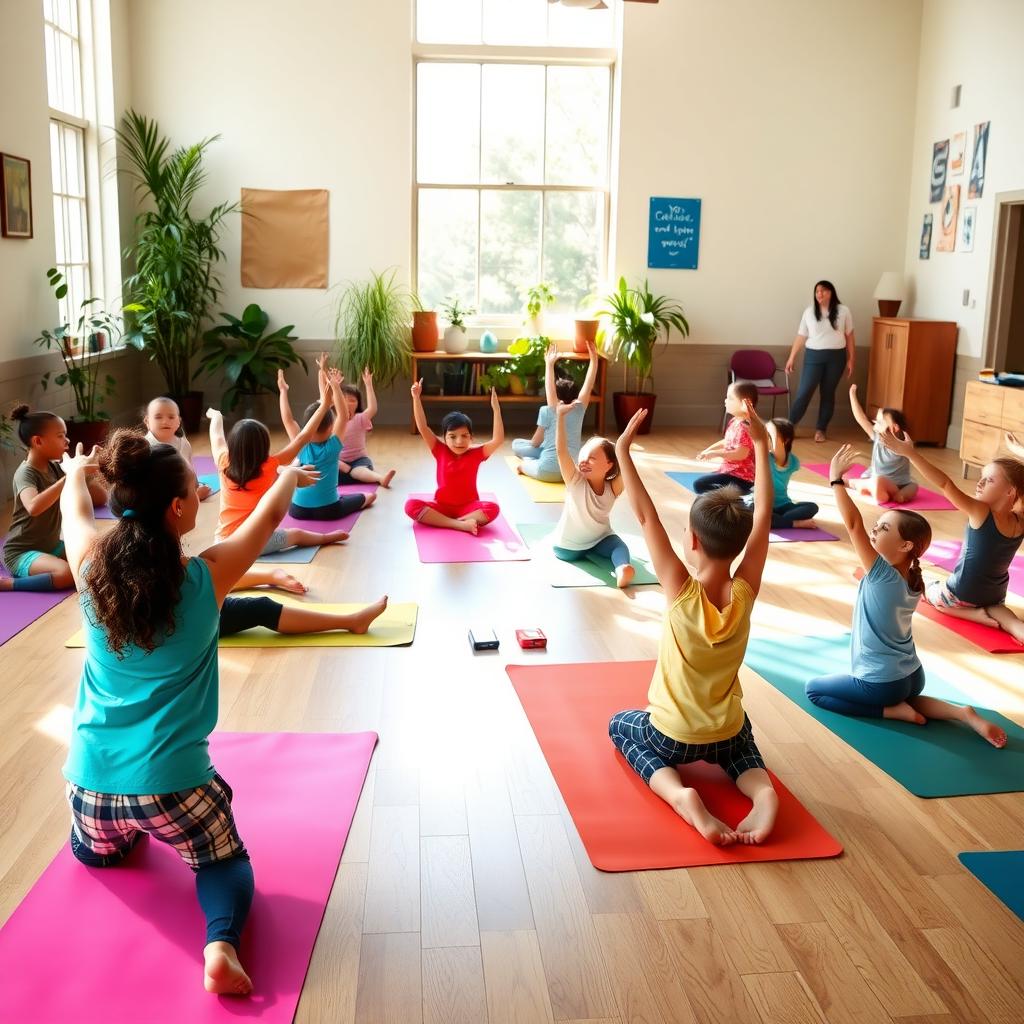
| Health and Fitness | Community gyms, free sports programs, wellness clinics | Improves physical health, reduces stress |
| Mental Health | Counseling services, support groups, mindfulness workshops | Supports emotional well-being, reduces anxiety |
| Education and Parenting | Parenting classes, library story hours, tutoring programs | Enhances parenting skills, supports child development |
| Nutrition and Food Access | Food banks, community gardens, cooking classes | Promotes healthy eating, reduces food insecurity |
| Social and Recreational | Family events, youth clubs, volunteer opportunities | Strengthens family bonds, builds community ties |
Each type addresses a different aspect of family wellness. For example, my neighbor joined a community garden and not only grew fresh vegetables but also made new friends, which boosted her mood and her kids’ love for healthy food.
Where to Find Community Resources
Finding the right resources can feel overwhelming, but it’s easier than you think. Start local:
- Community Centers: Most towns have centers offering classes, events, or support groups. Check their websites or bulletin boards.
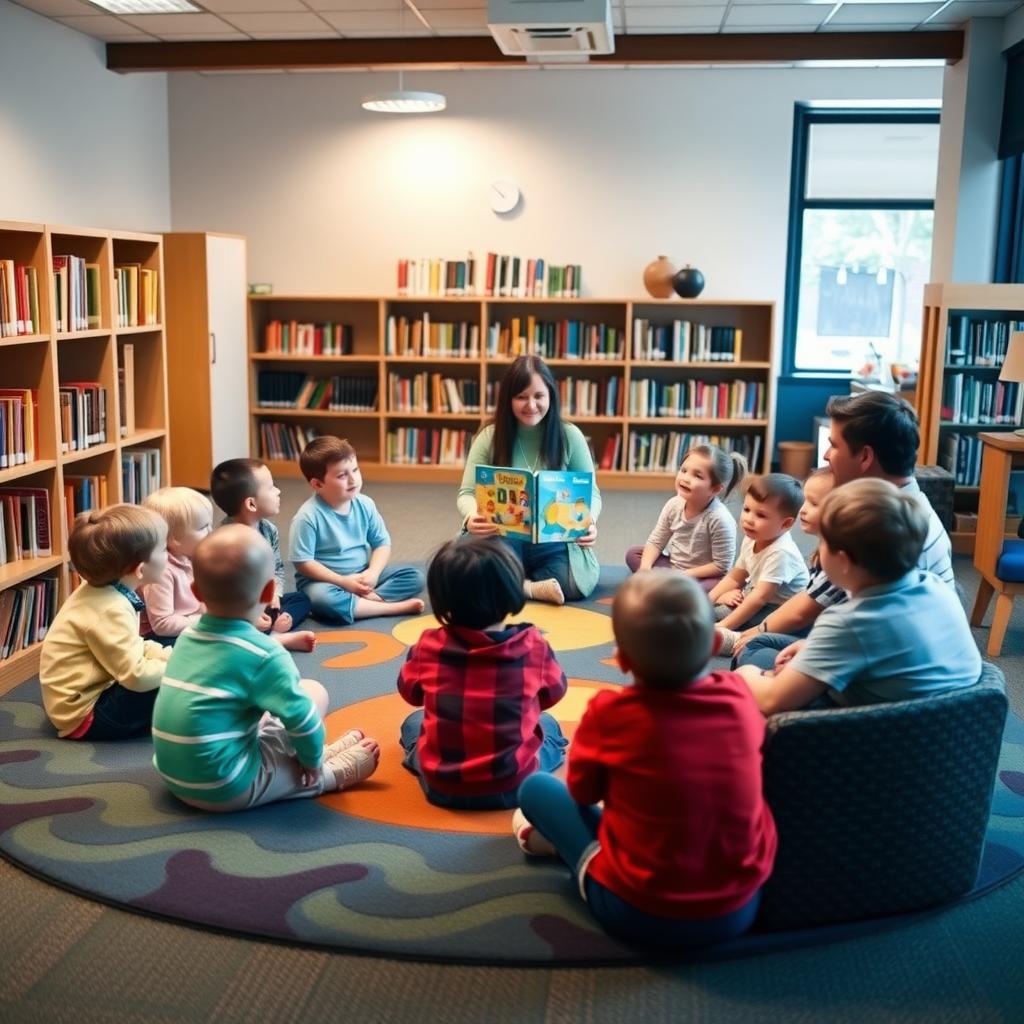
- Libraries: Beyond books, libraries host story times, parenting workshops, and even free internet access.
- Local Government Websites: Many cities list resources like food assistance or health clinics on their sites.
- Nonprofits and Charities: Organizations like the YMCA or United Way often provide family-focused programs.
- Online Platforms: Websites like Meetup or Eventbrite list local family events, while platforms like Mental Health America offer virtual resources.
When my son needed help with math, our local library’s free tutoring program was a game-changer. It wasn’t just about grades—it gave him confidence and eased my stress as a parent.
How to Make the Most of These Resources
Using community resources effectively requires a bit of planning. Here are practical tips based on my own experiences:
- Assess Your Needs: Identify what your family needs most. Is it stress relief? Better nutrition? Academic support? For us, finding a local counselor helped my daughter manage her anxiety.
- Start Small: Don’t overwhelm yourself by signing up for everything. Try one program, like a weekly family fitness class, and build from there.
- Engage as a Family: Involve everyone in choosing activities. My kids loved picking out community events, which made them more excited to participate.
- Ask for Recommendations: Talk to neighbors, teachers, or other parents. They often know about hidden gems, like a free summer camp we discovered through a friend.
- Stay Consistent: Regular participation builds habits. A weekly parenting class helped me stay patient during tough moments.
These steps aren’t just practical—they create moments of connection. When we joined a community cooking class, my kids learned to chop vegetables, and we laughed more than we had in weeks.
Overcoming Barriers to Access
Not every family finds it easy to access resources. Common barriers include time, cost, transportation, or simply not knowing where to start. Here’s how to navigate these:
- Time Constraints: Look for flexible options, like online webinars or weekend events. Many libraries offer virtual story times that fit busy schedules.
- Cost: Seek out free or low-cost programs. Food banks, government-funded clinics, and library events are often free.
- Transportation: Check if programs offer virtual access or carpool with neighbors. Our local YMCA even provides bus services for kids’ programs.
- Awareness: Use social media groups or community boards to discover what’s available. I found a free mental health workshop through a local Facebook group.
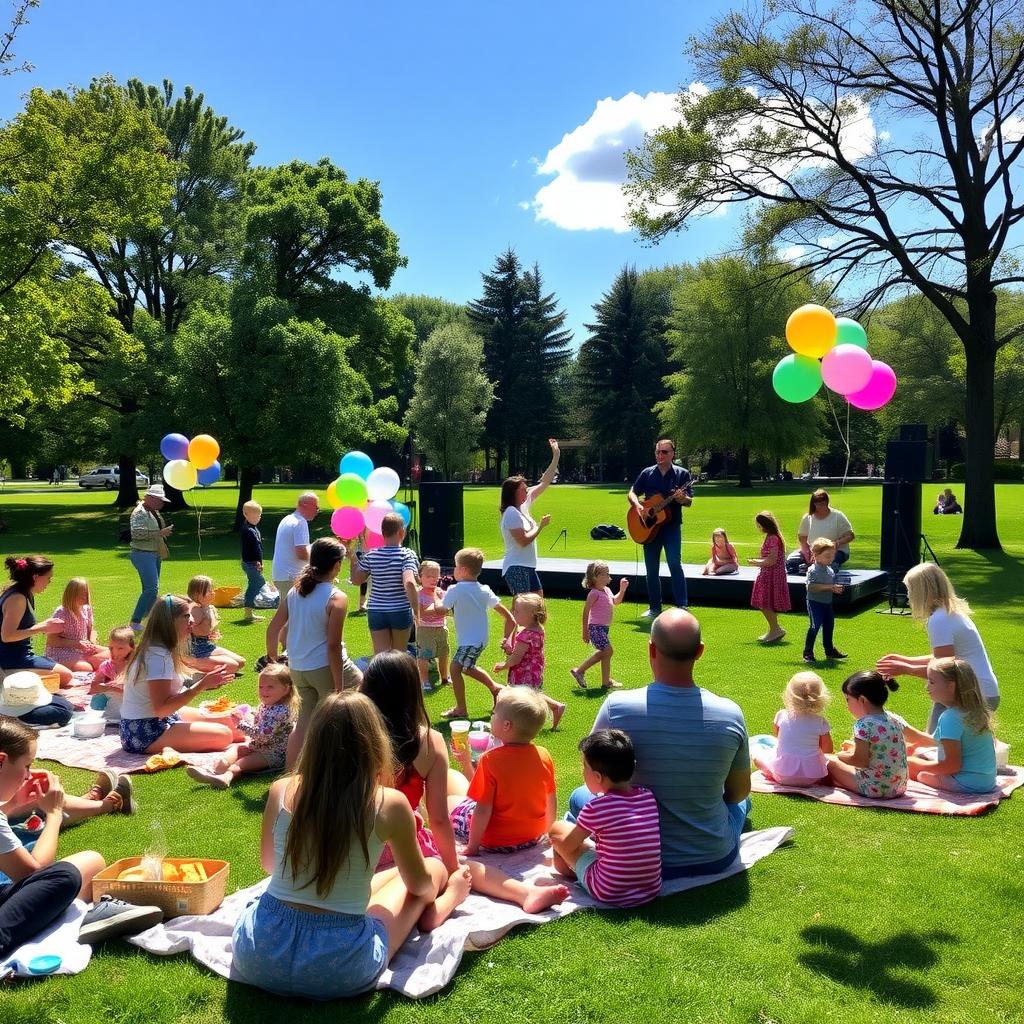
When I was a single parent, cost was a big issue. Free community events, like park picnics, gave my kids fun experiences without breaking the bank.
The Impact of Community Resources on Family Wellness
These resources do more than solve immediate problems—they build stronger families. Studies from the American Academy of Pediatrics show that community support improves child development and parental mental health. For my family, a weekly art class at our community center became a space to reconnect and laugh together, easing the stress of daily life.
Beyond individual benefits, these programs foster a sense of belonging. When we volunteered at a local food drive, my kids learned empathy and teamwork. These experiences shape not just wellness but values.
If you’re hesitant, start with something small, like a library event or a free fitness class. The first step is often the hardest, but the rewards—healthier kids, happier parents, stronger bonds—are worth it.
Summary: Building a Healthier Future Together
Community resources for family wellness are powerful tools to support physical, mental, and emotional health. From parenting classes to food banks, these programs offer practical solutions and opportunities to connect. By assessing your needs, starting small, and staying consistent, you can make these resources work for your family. My own journey with these programs taught me that small steps lead to big changes. Explore what’s available in your community—you might be surprised at the difference it makes.

Discuss Here