Overview
Applied Behavior Analysis (ABA) is a proven approach to understanding and shaping behavior. When used in schools, it helps students thrive by addressing challenging behaviors and fostering skills for academic and social success. This guide explores how to implement Applied Behavior Analysis in schools, offering practical steps for educators, administrators, and families.
What Is Applied Behavior Analysis?
Applied Behavior Analysis, often called ABA, is a scientific method that studies how behaviors are influenced by the environment. By analyzing triggers and consequences, educators can create strategies to encourage positive behaviors and reduce disruptions. ABA is widely used in behavioral therapy to support students with autism, ADHD, or other challenges, but its principles benefit all learners.
The beauty of ABA lies in its simplicity. It’s about observing what happens before and after a behavior, then making small, intentional changes to get better outcomes. For example, a student who struggles to focus might be rewarded for completing tasks, reinforcing their effort over time.
Why Use ABA in Schools?
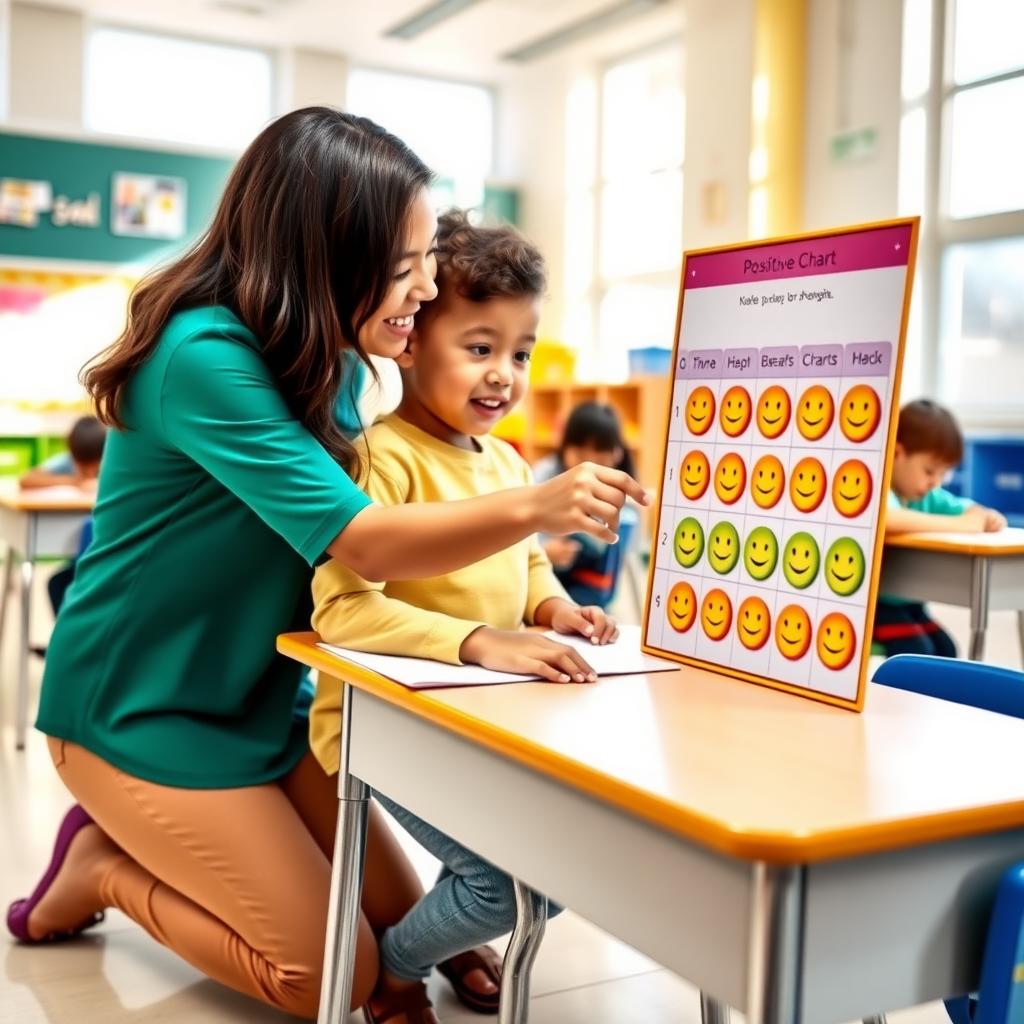
Schools are complex environments where students face academic, social, and emotional demands. ABA provides a structured way to address issues like tantrums, inattention, or difficulty following rules. Research shows that ABA can improve academic performance and social skills while reducing disruptive behaviors. According to a study from the National Institute of Health, ABA interventions in schools led to significant improvements in student engagement.
Beyond academics, ABA promotes family wellness by creating consistency between home and school. When parents and teachers use similar strategies, students feel supported and are more likely to succeed. This alignment also reduces stress for families, making it a win-win.
Step 1: Train Educators and Staff
The first step in implementing ABA is training. Teachers, aides, and administrators need to understand ABA principles to use them effectively. Training should cover:
- Identifying behaviors: Spotting what triggers a student’s actions.
- Setting goals: Defining clear, measurable outcomes, like raising a hand instead of shouting.
- Using reinforcement: Rewarding positive behaviors with praise, tokens, or privileges.
Workshops led by certified behavior analysts are ideal. The Behavior Analyst Certification Board offers resources to find qualified trainers.
In my experience, schools that invest in ongoing training see the best results. One school I worked with held monthly ABA refreshers, and teachers reported feeling more confident handling classroom challenges. It’s not about perfection—it’s about building skills over time.
Step 2: Create Individualized Plans
Every student is unique, so ABA plans must be tailored. Start by observing the student in different settings—classroom, playground, or cafeteria. Note what behaviors need support and what triggers them. For example, a student might act out during transitions because they feel overwhelmed.
Next, collaborate with a behavior analyst to design a plan. This might include:
| Strategy | Example |
|---|---|
| Positive Reinforcement | Giving a sticker for completing homework |
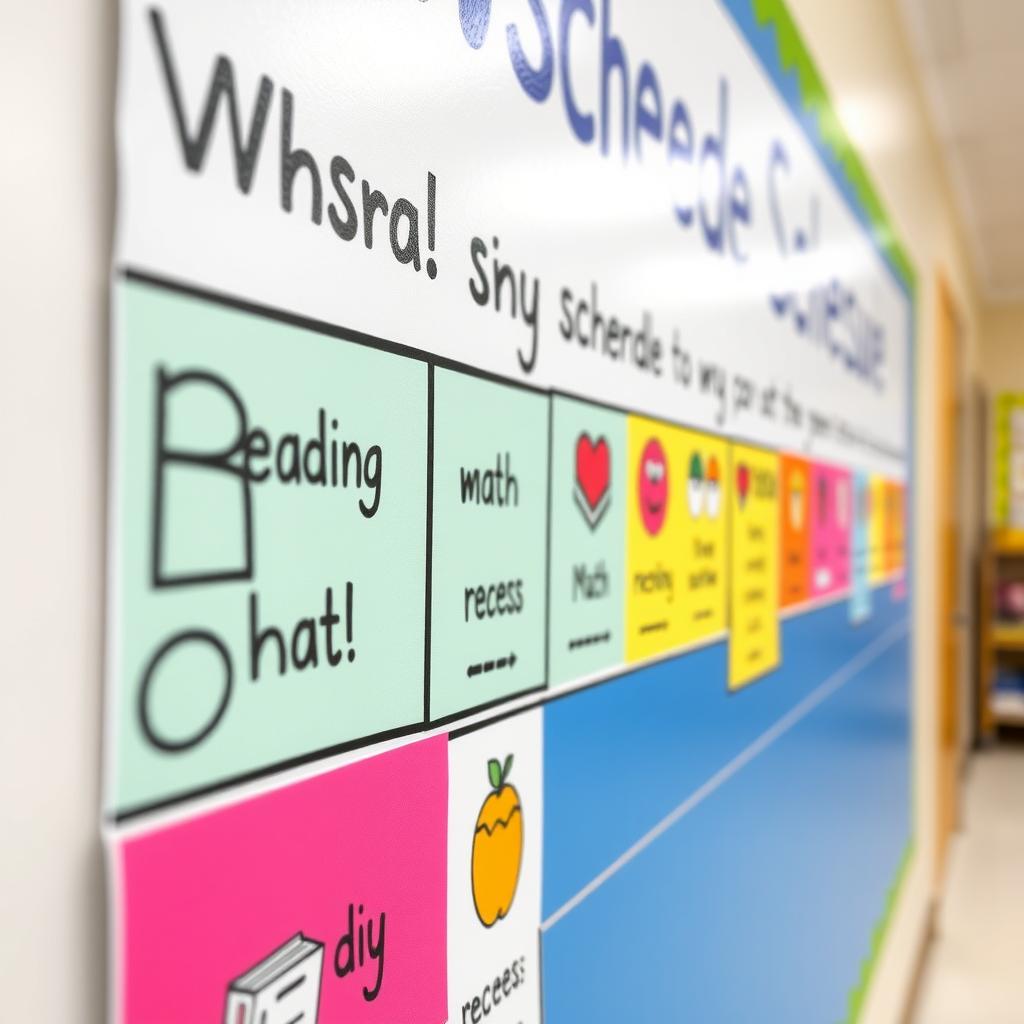
| Visual Schedules | Using a chart to outline daily tasks |
| Clear Expectations | Teaching rules with simple phrases like 'quiet hands' |
These plans should be flexible, adjusting as the student progresses.
Step 3: Involve Families
ABA works best when families are involved. Schools can host workshops to teach parents about family therapy techniques that complement ABA. For example, parents can use the same rewards at home, like extra playtime for good behavior. This consistency helps students generalize skills across settings.
I once saw a family transform their home routine by adopting the school’s ABA strategies. The child, who struggled with meltdowns, began thriving because everyone was on the same page. Schools can facilitate this by sharing progress reports and hosting regular meetings.
Step 4: Monitor and Adjust
Implementing ABA isn’t a one-and-done process. Regular data collection is key to knowing what’s working. Teachers can track behaviors using simple tools like checklists or apps. For instance, if a student is rewarded for staying seated, note how often it happens each week.
Review this data monthly to adjust strategies. If a reward stops working, try something new, like a different privilege. The Association for Behavior Analysis International emphasizes data-driven decisions as a core ABA principle.
Overcoming Common Challenges
Implementing ABA isn’t always smooth. Here are common hurdles and solutions:
- Time constraints: Teachers are busy, so integrate ABA into existing routines, like using visual schedules during morning meetings.
- Resistance to change: Some staff may hesitate. Share success stories to build buy-in.
- Student variability: Not every strategy works for every student. Be patient and experiment.
Real-World Impact
When done right, ABA transforms classrooms. I’ve seen students who once struggled with aggression become leaders in group activities. Schools using ABA often report fewer suspensions and happier students. A report from the U.S. Department of Education highlights how behavior interventions like ABA reduce dropout rates.
Summary
Implementing Applied Behavior Analysis in schools is a powerful way to support students and promote family wellness. By training staff, creating individualized plans, involving families, and monitoring progress, schools can foster positive behaviors and academic success. With patience and collaboration, ABA creates lasting change for students and communities.

Discuss Here