Overview: Crafting a Family Wellness Retreat
Planning a family wellness retreat is a rewarding way to strengthen bonds and prioritize health. By blending relaxation, fun, and meaningful activities, you create lasting memories. This guide walks you through every step of organizing a retreat that brings your family closer together.
Why Plan a Family Wellness Retreat?
A family wellness retreat is more than a vacation—it’s a chance to reconnect, recharge, and focus on well-being. In today’s fast-paced world, families often struggle to find quality time. A retreat offers a dedicated space to nurture relationships and health. Whether it’s through shared meals, outdoor adventures, or mindfulness practices, these experiences build stronger connections.
When I planned my first family retreat, we were all stretched thin by work and school. The retreat gave us a rare opportunity to laugh, talk, and just be together. It wasn’t perfect—our youngest spilled juice on the yoga mats—but those imperfections became our favorite stories.
Step 1: Define Your Retreat’s Purpose
Start by setting clear goals. Are you aiming to improve physical health, reduce stress, or simply bond? Defining the purpose shapes every decision, from location to activities. For example, if bonding is the goal, prioritize group activities like cooking classes or team games. If wellness is the focus, include yoga or tai chi sessions.
Consider everyone’s needs. Kids might want fun, while adults may crave relaxation. A balanced retreat caters to all ages. My family decided our retreat would focus on stress relief and fun, so we mixed quiet activities like meditation with silly scavenger hunts.

Step 2: Choose the Perfect Location
The right setting makes all the difference. Look for places that offer natural beauty and wellness amenities. Think cozy cabins in the mountains, beachside resorts, or wellness centers with family-friendly programs. Some locations even specialize in family wellness retreats with tai chi sessions, which are great for mindfulness and movement.
When picking a spot, check for kid-friendly spaces, healthy dining options, and activities like hiking trails or pools. We chose a woodland retreat center with a lake. The kids loved splashing around, while the adults enjoyed morning walks. Websites like Wellness Tourism Association can help you find vetted destinations.
Step 3: Planning Activities for Family Bonding
Activities are the heart of your retreat. Mix structured and free time to keep everyone engaged. Here are some ideas:
- Mindfulness Practices: Try family wellness retreats with tai chi sessions or yoga. These are accessible for all ages and promote calm. Our family’s tai chi session was a hit—even our skeptical teen joined in.
- Outdoor Adventures: Hiking, kayaking, or nature walks encourage teamwork. Plan a scavenger hunt for kids to spark excitement.
- Creative Workshops: Cooking classes or art sessions let everyone express themselves. We made smoothies together, which turned into a hilarious blending competition.
- Game Nights: Board games or charades bring out laughter and connection.
Balance is key. Schedule one or two activities per day, leaving room for downtime. Too many plans can feel overwhelming.
| Activity Type | Examples | Benefits |
|---|---|---|
| Mindfulness | Tai Chi, Yoga | Reduces stress, improves focus |
| Outdoor | Hiking, Kayaking | Builds teamwork, boosts health |
| Creative | Cooking, Painting | Encourages creativity, bonding |
| Games | Charades, Board Games | Sparks laughter, connection |
This table helped us visualize our activity mix. Tailor it to your family’s interests.
Step 4: Plan Healthy Meals
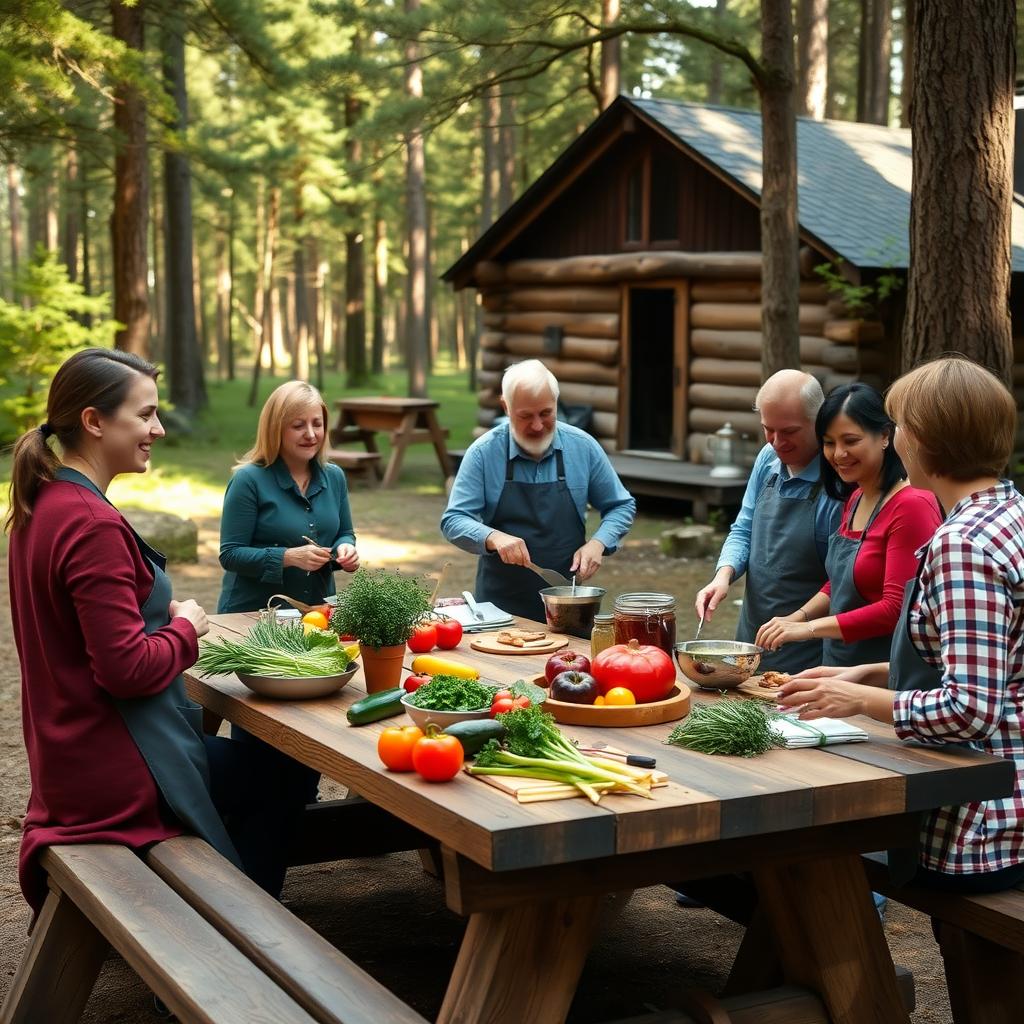
Food plays a big role in wellness. Opt for nutritious, family-friendly meals that everyone can enjoy. Many retreat centers offer customizable menus with organic, plant-based, or kid-friendly options. If you’re cooking, plan simple dishes like grilled veggies, lean proteins, and whole grains.
Involve the family in meal prep to make it fun. Our kids loved making their own wraps, picking toppings like avocado and hummus. Check resources like EatRight.org for healthy recipe ideas. Don’t forget to accommodate dietary needs—gluten-free, vegan, or allergies.
Step 5: Set a Realistic Budget
Retreats don’t have to break the bank. Decide your budget early and prioritize what matters most. A high-end wellness resort might cost more but include activities and meals. Alternatively, a DIY retreat at a rental cabin can be affordable and flexible.
Here’s a sample budget breakdown:
- Accommodation: $500–$2,000 (depending on location and duration)
- Activities: $100–$500 (guided sessions or equipment rentals)
- Food: $200–$600 (self-catering or dining plans)
- Travel: $100–$1,000 (gas, flights, or local transport)
We saved by choosing a nearby location and cooking most meals. Compare options on sites like Booking.com for deals.
Step 6: Create a Flexible Schedule
A loose schedule keeps things relaxed but organized. Plan one main activity per day, plus a group meal or downtime. For example:
- Day 1: Morning tai chi, afternoon hike, evening storytelling.
- Day 2: Breakfast together, art workshop, free time by the pool.
- Day 3: Yoga session, scavenger hunt, family movie night.
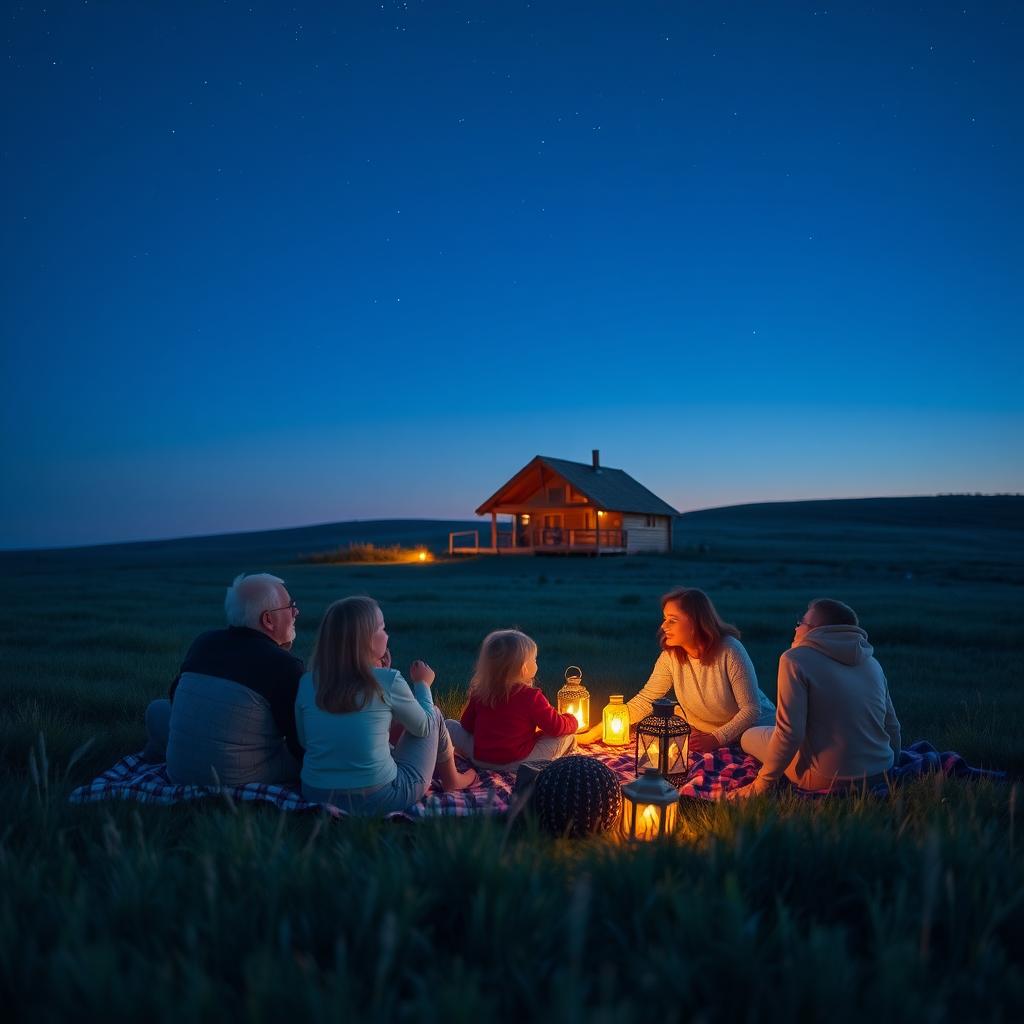
Our retreat’s best moments were unplanned—like an impromptu stargazing session. Leave space for spontaneity.
Step 7: Pack Smart and Prepare
Pack light but include essentials: comfortable clothes, reusable water bottles, sunscreen, and activity gear (like yoga mats). Check the weather and venue amenities. For tai chi or yoga, loose-fitting attire works best. We forgot bug spray once—don’t make that mistake!
Talk to your family beforehand to set expectations. Explain the retreat’s purpose and encourage everyone to participate. Our pre-retreat family meeting got the kids excited and helped them feel included.
Step 8: Reflect and Follow Up
After the retreat, take time to reflect. Ask everyone to share their favorite moments. This helps solidify the experience and plan better for next time. We started a tradition of making a photo book from each retreat, which the kids love flipping through.
Follow up by incorporating wellness habits at home, like weekly family walks or mindfulness moments. It keeps the retreat’s spirit alive.
Summary: Making Memories That Last
Planning a family wellness retreat is about creating space for connection and health. By setting clear goals, choosing a great location, and planning activities for family bonding, you’ll craft an experience that strengthens your family. Whether it’s family wellness retreats with tai chi sessions or simple campfire chats, the memories you make will last a lifetime.

Discuss Here