Overview: Helping Your Child Thrive with Food Allergies in School
Sending a child with food allergies to school can feel overwhelming. From ensuring safe meals to managing social situations, parents face unique challenges. This guide, Navigating Food Allergies in School: A Guide for Parents, offers practical advice to help your child stay safe and confident.
Understanding Food Allergies in the School Environment
Food allergies affect millions of children, with about 8% of kids in the U.S. dealing with some form of food sensitivity. For parents, the school setting introduces risks like shared snacks, classroom parties, or accidental exposure. Chronic Food Allergy conditions, such as peanut or dairy allergies, require constant vigilance. Schools are busy places, and even well-meaning staff may not fully grasp the severity of an allergic reaction.
My own experience as a parent of a child with a peanut allergy taught me the importance of preparation. The first day of kindergarten was nerve-wracking. Would the teacher remember the allergy plan? Would other kids share unsafe snacks? These worries are normal, but with the right strategies, you can create a safe environment for your child.
Key Steps to Prepare for School
Start by meeting with school staff before the year begins. Share a detailed 504 Plan or Individualized Health Plan (IHP) outlining your child’s allergies, symptoms, and emergency protocols. Include specifics about medications like epinephrine auto-injectors. Here’s a checklist to guide you:
- Meet the Team: Talk to the principal, nurse, and teachers.
- Provide Documentation: Share medical records and allergy action plans.
- Train Staff: Ensure they know how to use an epinephrine injector.
- Communicate Clearly: Explain your child’s needs in simple terms.
The Food Allergy Research & Education (FARE) organization offers templates for these plans, which can be a great starting point (https://www.foodallergy.org).

Understanding FPIES: Symptoms and Management
For some children, food allergies go beyond common triggers like nuts or dairy. Chronic FPIES (Food Protein-Induced Enterocolitis Syndrome) is a rare but serious condition. Unlike typical allergies, FPIES reactions often involve delayed vomiting, diarrhea, or lethargy, usually 2-4 hours after eating trigger foods like soy, rice, or oats. My friend’s daughter, Emma, was diagnosed with FPIES, and her parents struggled to explain it to teachers unfamiliar with the condition.
Managing FPIES in school requires extra steps. Since reactions aren’t immediate, teachers may not connect symptoms to a food trigger. Create a clear symptom list for staff, like this:
| Symptom | What to Watch For | Action |
|---|---|---|
| Vomiting | Repeated, forceful vomiting 2-4 hours after eating | Call parents, avoid food/drink |
| Lethargy | Unusual tiredness or paleness | Contact parents, monitor closely |
| Diarrhea | Frequent, watery stools | Notify parents, ensure hydration |
The International FPIES Association provides excellent resources for educating schools (https://www.fpies.org).
Meal Planning and Safe Snacks
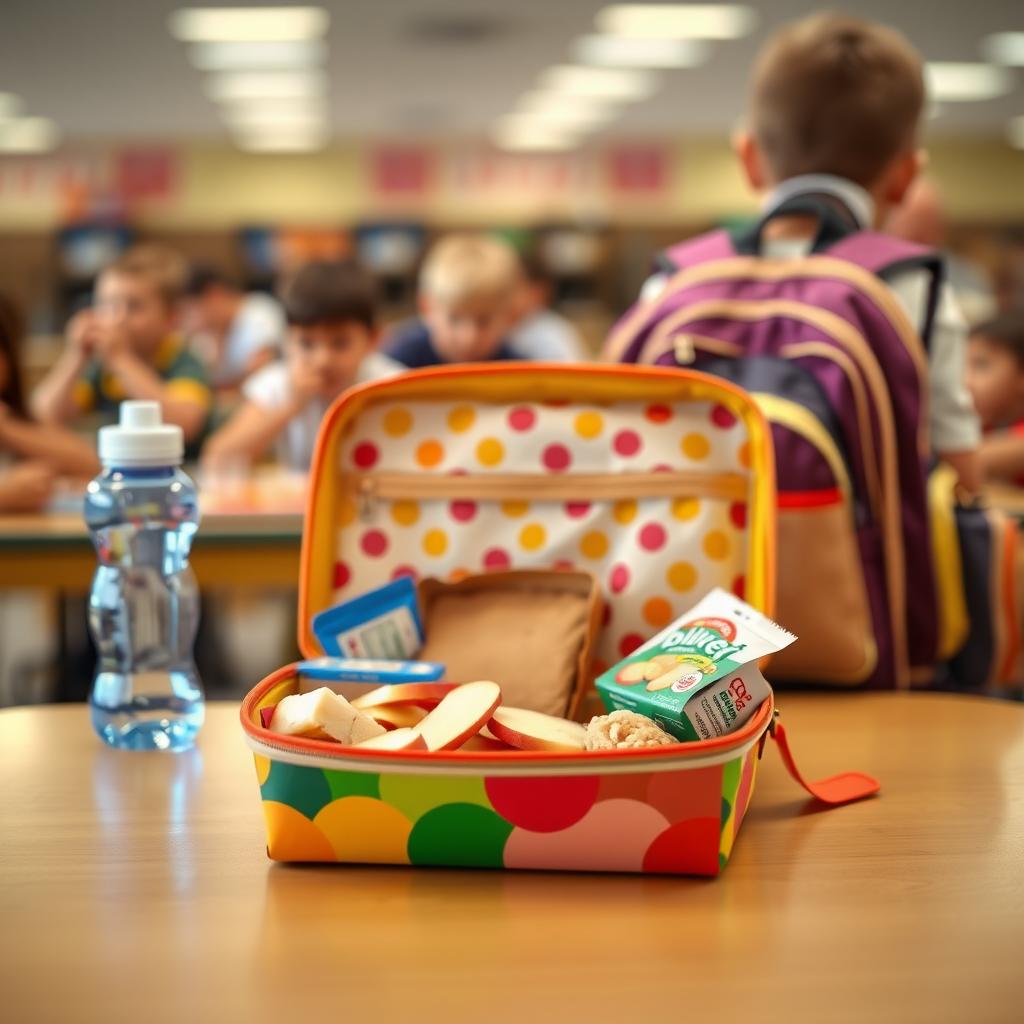
Packing safe lunches is a daily task for parents of kids with food allergies. Check ingredient labels carefully, even for familiar brands, as recipes can change. I learned this the hard way when a “safe” granola bar suddenly included peanut traces. Work with your child to find allergy-friendly snacks they enjoy, like fruit pouches or rice cakes. Involve them in the process—it builds confidence and teaches them to advocate for themselves.
For classroom events, offer to provide treats for everyone. This ensures your child isn’t left out. Schools can also implement allergy-aware policies, like nut-free zones. Talk to other parents to build understanding—most are happy to help once they know the stakes.
Chronic Food Allergy and Mental Health
Living with a Chronic Food Allergy can take an emotional toll. Kids may feel isolated during lunch or anxious about accidental exposure. My son once came home upset because he couldn’t join a pizza party. These moments can chip away at confidence. Chronic FPIES adds another layer, as delayed reactions can make kids feel unpredictable or “different.”
Support your child’s mental health by fostering open conversations. Ask how they feel about their allergies and school. Role-play scenarios, like politely declining unsafe food. Connecting with other kids who have allergies—through support groups or online communities—can help them feel less alone. A counselor or therapist can also provide tools to manage anxiety.
Teaching Self-Advocacy
As kids grow, they need to take charge of their allergies. Start young by teaching them to read labels and ask about ingredients. By middle school, they should know how to use their epinephrine injector and recognize symptoms. My son practiced carrying a “practice” injector to build confidence. Schools can support this by including kids in allergy discussions, respecting their growing independence.
Handling Emergencies
Despite precautions, accidents happen. Ensure your child’s epinephrine injector is accessible—ideally, one in the nurse’s office and one with the teacher. Train your child to recognize symptoms like hives, swelling, or breathing trouble. For FPIES, symptoms are trickier, so stress the importance of telling an adult if they feel “off.” Practice an emergency plan with your child and school staff.

Building a Support Network
You don’t have to navigate this alone. Connect with other parents through local or online support groups. Websites like Kids With Food Allergies (https://www.kidswithfoodallergies.org) offer forums and resources. Share your experiences with teachers and parents to build a community that prioritizes your child’s safety.
Summary: Empowering Your Child for Success
Navigating Food Allergies in School: A Guide for Parents is about preparation and partnership. By creating clear plans, fostering self-advocacy, and addressing mental health, you can help your child thrive. Whether managing Chronic Food Allergy or Chronic FPIES, proactive steps make school a safer, happier place.

Discuss Here