Overview: The Power of Community Health Workers
Community health workers (CHWs) are unsung heroes in healthcare. They connect people to medical services, educate communities, and advocate for better health outcomes. By addressing barriers like poverty and mistrust, CHWs transform lives and pave the way for a healthier future.
Who Are Community Health Workers?
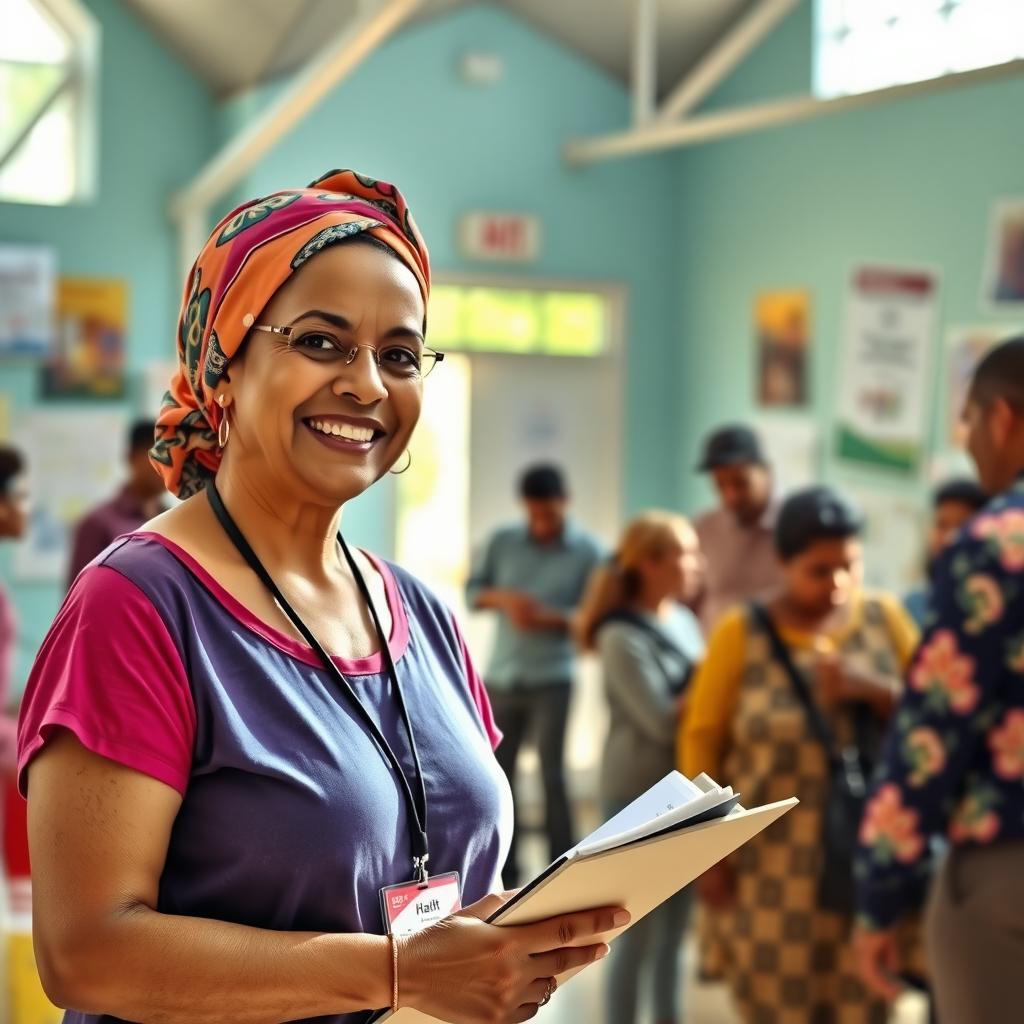
Community health workers are trusted individuals from the communities they serve. They’re not doctors or nurses but act as bridges between healthcare systems and local people. Often, they share the same language, culture, and experiences as those they help, making them uniquely effective.
CHWs perform tasks like organizing health screenings, teaching about nutrition, or helping families navigate insurance. For example, in rural areas, a CHW might drive someone to a clinic or explain a diagnosis in simple terms. Their work builds trust, which is key to improving health outcomes.
The Role of Community Health Workers in Access to Care
Access to care is a major challenge, especially for underserved groups. Many people face barriers like lack of transportation, language differences, or fear of medical systems. CHWs tackle these issues head-on.
For instance, in urban neighborhoods, CHWs might help immigrants understand how to use Medicaid. In rural regions, they may coordinate mobile clinics to bring vaccines to remote areas. A 2020 study by the World Health Organization found that CHWs increased healthcare access by 30% in low-income communities. Their local knowledge makes them experts at finding solutions that work.
Promoting Health Equity Through Community Ties
Health equity means everyone has a fair shot at being healthy. CHWs are critical to this goal because they understand the social factors—like poverty or discrimination—that affect health. They don’t just treat symptoms; they address root causes.
Take Maria, a CHW in a low-income neighborhood. She noticed many families skipped doctor visits because they couldn’t afford childcare. So, she partnered with a local nonprofit to offer free daycare during clinic hours. This small change helped dozens of parents get checkups. Stories like Maria’s show how CHWs make health equity real.
How CHWs Transform Lives: Real Stories
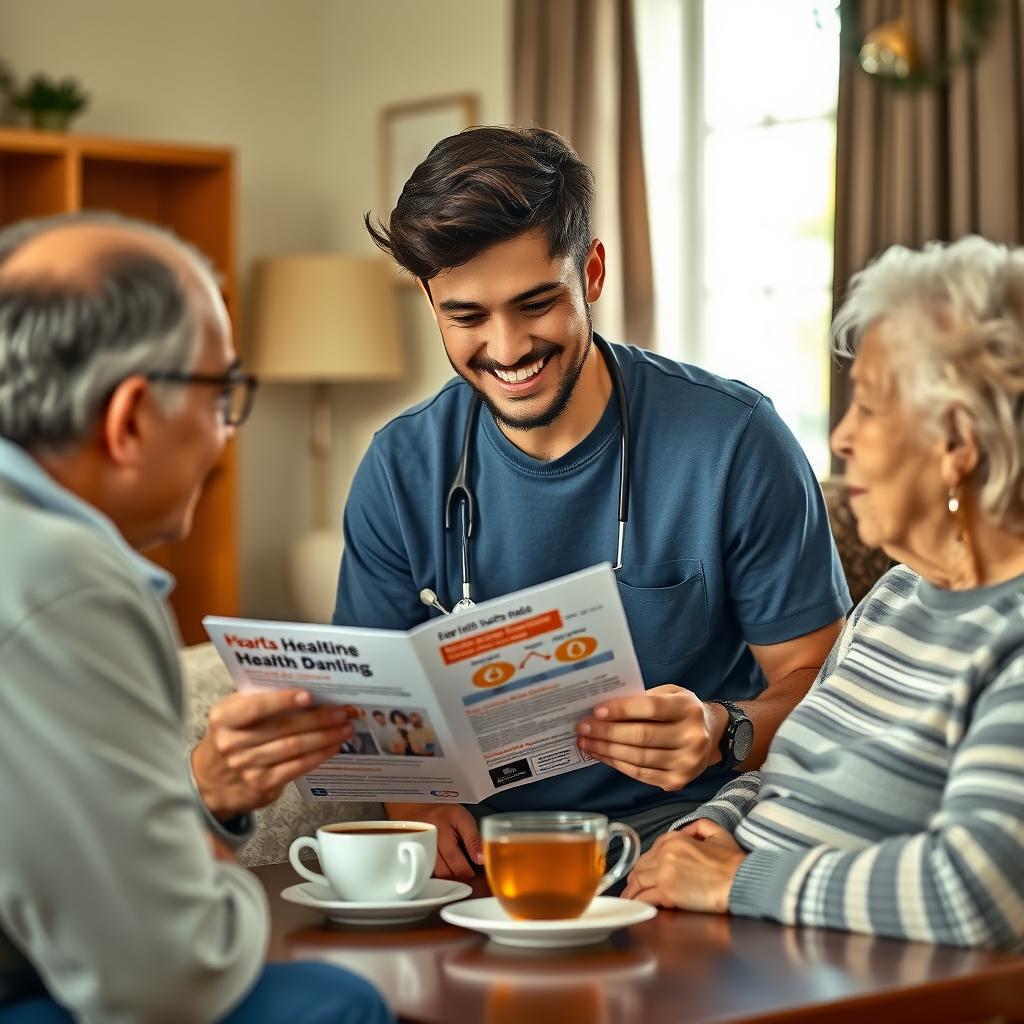
The impact of CHWs is best seen through people’s lives. Consider James, a diabetic in a rural town. He ignored his condition because he distrusted doctors. A CHW named Sarah visited him regularly, explained his medication, and even cooked a healthy meal with him. Over time, James managed his diabetes and avoided a hospital stay.
Or think of Aisha, a single mom who couldn’t afford prenatal care. Her CHW connected her to a free clinic and taught her about nutrition. Aisha’s baby was born healthy, and she now advocates for CHWs in her community. These stories highlight the human side of healthcare.
The Future of Health: How Communities Lead the Way
The future of healthcare lies in community-led efforts. CHWs are at the heart of this shift, proving that local solutions can solve global problems. Programs training CHWs are growing, with countries like India and Ethiopia expanding their CHW workforce by 20% since 2015, according to WHO data.
Technology is also boosting their impact. Some CHWs now use apps to track patient data or share health tips via text. But their real strength remains their personal touch—something no app can replace. As healthcare systems face rising costs and shortages, CHWs offer a cost-effective, human-centered solution.
Challenges and Opportunities for CHWs
Despite their impact, CHWs face challenges. Many are underpaid or work as volunteers. Training can be inconsistent, and some healthcare systems undervalue their role. Yet, opportunities are emerging. Governments and NGOs are investing in CHW programs, recognizing their value.
For example, a 2023 initiative in California trained 1,000 CHWs to focus on mental health, addressing a growing need. Supporting CHWs with better pay, training, and resources will amplify their ability to transform lives.

How You Can Support Community Health Workers
Communities can support CHWs by advocating for their funding and recognition. Individuals can volunteer, donate to CHW programs, or simply spread the word about their work. If you’re interested in becoming a CHW, look for local training programs—many are free and open to all.
Businesses and policymakers can also step up. Investing in CHWs means investing in healthier communities. A 2021 report by the National Academy of Medicine showed that every dollar spent on CHW programs saves $4 in healthcare costs. That’s a win for everyone.
Summary: A Healthier Future with CHWs
Community health workers are changing lives by making healthcare accessible and equitable. Their local knowledge, empathy, and dedication bridge gaps that traditional systems can’t. As we look to the future, supporting CHWs will ensure healthier, stronger communities for all.

Discuss Here