Chronic vomiting is more than just an occasional upset stomach. It’s a persistent issue that can signal deeper health problems, especially when linked to gastrointestinal disorders. These disorders affect the digestive system, causing symptoms like nausea, vomiting, abdominal pain, and more. One lesser-known but significant condition is Food Protein-Induced Enterocolitis Syndrome (FPIES), which primarily affects infants and young children but can also impact adults.
In this article, we’ll dive into what chronic vomiting means, how it relates to gastrointestinal disorders, and why FPIES deserves special attention. We’ll also share personal experiences and insights to help you understand these conditions better.

Gastrointestinal disorders encompass a wide range of conditions that affect the digestive tract, from the esophagus to the intestines. Common examples include irritable bowel syndrome (IBS), gastroesophageal reflux disease (GERD), and inflammatory bowel disease (IBD). These disorders often cause symptoms like bloating, diarrhea, constipation, and, of course, vomiting.
Chronic vomiting can be a key symptom in many of these disorders. For instance, in gastroparesis, the stomach takes too long to empty its contents, leading to nausea and vomiting. Similarly, in cyclic vomiting syndrome (CVS), individuals experience episodes of severe vomiting that can last for days.
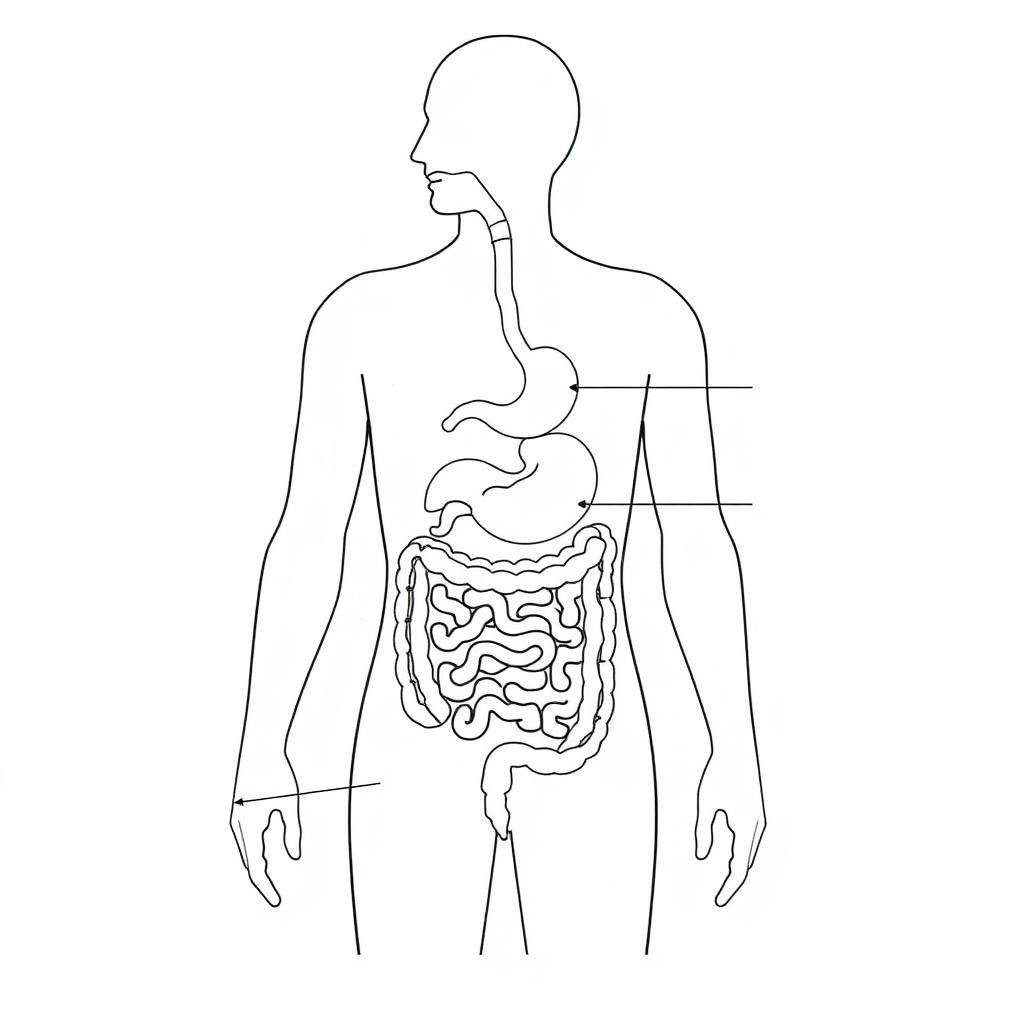
Chronic vomiting can present in various ways, depending on the underlying cause. In gastrointestinal disorders, it’s often accompanied by: - Abdominal pain or cramping - Bloating or gas - Diarrhea or constipation - Weight loss or failure to thrive (in children)
In FPIES specifically, symptoms are more distinct: - Chronic FPIES Symptoms: Unlike acute FPIES, which involves sudden, severe vomiting after ingesting a trigger food, chronic FPIES occurs when the trigger food is consumed regularly. Symptoms include intermittent vomiting, diarrhea, and poor growth in infants. - Acute FPIES Symptoms: Severe vomiting starting 1-4 hours after ingestion, followed by diarrhea, lethargy, and sometimes shock.
Understanding these symptoms is key to distinguishing FPIES from other conditions.
| Condition | Key Symptoms | Onset After Eating |
|---|---|---|
| Gastroparesis | Nausea, vomiting, early satiety | Immediate to delayed |
| Cyclic Vomiting Syndrome | Episodic severe vomiting | Not related to food |
| FPIES | Vomiting, diarrhea, lethargy | 1-4 hours (acute) |
| Functional Dyspepsia | Upper abdominal pain, nausea | Varies |
Diagnosing chronic vomiting requires a thorough approach. Doctors typically start with a detailed medical history and physical examination. They’ll ask about the frequency, timing, and triggers of vomiting episodes.
Common Diagnostic Tests: - Blood Tests: To check for infections, metabolic disorders, or nutritional deficiencies. - Imaging: X-rays, CT scans, or ultrasounds to look for structural abnormalities. - Endoscopy: A procedure to visualize the upper digestive tract. - Gastric Emptying Study: Specifically for conditions like gastroparesis, this test measures how quickly food leaves the stomach.
For FPIES, diagnosis is often based on clinical history and the exclusion of other conditions. An oral food challenge, where the suspected trigger food is given under medical supervision, can confirm the diagnosis but is risky and should only be done in a controlled setting.
Examining personal stories, managing chronic vomiting often requires a team approach. Gastroenterologists, dietitians, psychologists, and primary care physicians all play a role. For conditions like FPIES, involving an allergist is crucial.
Psychological support is also important, as chronic vomiting can lead to anxiety and depression. Cognitive-behavioral therapy (CBT) or mindfulness techniques can help manage the emotional toll.
- Understanding FPIES: A Guide for Parents and Caregivers
- Managing Gastroparesis: Tips and Strategies
- The Role of Diet in Gastrointestinal Disorders
- American College of Gastroenterology
- National Institute of Diabetes and Digestive and Kidney Diseases
Each reading dives deeper into specific aspects of the topics discussed.

Discuss Here