Overview
Creating a supportive family wellness environment is about more than just eating right or exercising. It’s about building a home where everyone feels encouraged to prioritize health, connect with each other, and grow together. This guide explores practical ways to integrate fitness challenges, habit tracking, and family bonding to create a thriving wellness culture at home.
Why Family Wellness Matters
A supportive family wellness environment sets the stage for lifelong healthy habits. When families work together on fitness and well-being, they not only improve their physical health but also strengthen emotional bonds. Studies from the American Academy of Pediatrics show that children with active parents are more likely to stay active into adulthood. Plus, shared goals create a sense of teamwork and accountability.
My own family struggled with finding time for wellness. Between work, school, and endless to-dos, healthy habits often took a backseat. But when we started small—simple walks after dinner or weekend dance-offs—something clicked. It wasn’t just about fitness; it was about laughing together, cheering each other on, and feeling connected.
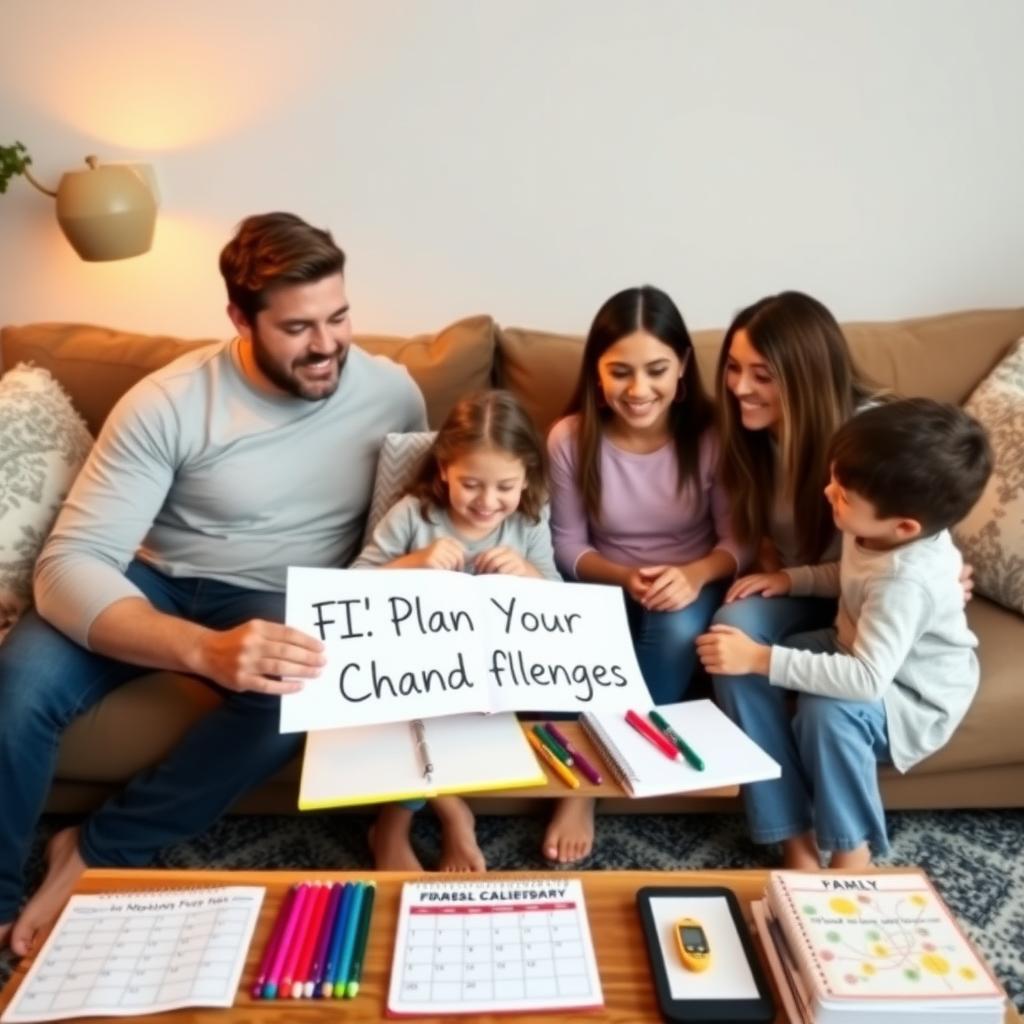
Steps to Create a Supportive Family Wellness Environment
1. Set Shared Goals
Start by talking as a family about what wellness means to you. Does it mean more energy? Better sleep? Stronger bodies? Set clear, achievable goals. For example, you might aim to walk 10,000 steps daily or try a new vegetable each week. Involve everyone in the decision-making to ensure buy-in.
2. Integrate Habit Tracking with Fitness Challenges
Habit tracking is a game-changer for family fitness. Apps or simple charts can help everyone stay accountable. Pair this with a 30-day fitness challenge to keep things fun. For instance, commit to daily yoga, a step-count contest, or a no-soda challenge. According to Harvard Health, tracking habits increases success rates by up to 80% because it builds consistency.
In our house, we made a colorful chart on the fridge. Each family member had a column to mark their daily activity—whether it was a bike ride, a stretch session, or drinking enough water. The kids loved adding stickers, and it sparked friendly competition. We’d celebrate small wins with high-fives or an extra movie night.
3. Make Fitness Fun with Family Challenges
Fitness challenges don’t have to feel like a chore. Try these ideas: - Dance Party Night: Pick a playlist and dance for 20 minutes. - Backyard Olympics: Set up mini-events like sack races or relay runs. - Step Count Showdown: Use fitness trackers to see who walks the most each week. These activities turn exercise into play, making it easier to stick with.

Overcoming Common Challenges
Time Constraints
Busy schedules can derail wellness goals. To combat this, schedule family fitness time like any other appointment. Even 15-minute walks after dinner can make a difference. Research from the Centers for Disease Control and Prevention shows that short bursts of activity still provide significant health benefits.
Different Interests
Not everyone loves the same activities. My teenager groaned at the idea of yoga, but he lit up when we suggested a basketball shootout. Let each family member pick an activity they enjoy, then rotate choices weekly to keep everyone engaged.
Motivation Slumps
Motivation fades, especially during a 30-day fitness challenge. Keep things fresh by mixing up activities or adding rewards. For example, after completing a challenge, treat the family to a healthy picnic or a fun outing. Positive reinforcement keeps everyone excited.
Building a Long-Term Wellness Culture
Creating a supportive family wellness environment isn’t a one-time effort—it’s a lifestyle. Here are ways to make it stick: - Model Healthy Behavior: Parents’ actions set the tone. If you prioritize wellness, kids will follow. - Celebrate Progress: Acknowledge milestones, like completing a fitness challenge or trying a new healthy recipe. - Keep It Flexible: Life happens. If a week gets chaotic, adjust goals instead of abandoning them.
One of my favorite memories is when we finished our first 30-day fitness challenge. We’d committed to daily walks, and by the end, even our grumpy cat seemed to enjoy tagging along! The kids started suggesting their own challenges, like a ‘no screens before breakfast’ rule. It showed me that wellness isn’t just physical—it’s about creating a home where everyone feels supported.

Practical Tools and Resources
- Habit Tracking Apps: Apps like Habitica or MyFitnessPal make tracking fun and easy.
- Fitness Challenge Ideas: Websites like Shape Magazine offer creative family-friendly challenges.
- Community Support: Join local fitness groups or online communities for inspiration and accountability. These tools can streamline your efforts and keep everyone motivated.
Summary
Creating a supportive family wellness environment is about fostering connection, accountability, and fun. By setting shared goals, integrating habit tracking with fitness challenges, and celebrating progress, families can build lasting healthy habits. Start small, stay flexible, and watch your family thrive together.

Discuss Here