Overview
Tai Chi, an ancient Chinese practice, blends gentle movements, deep breathing, and meditation to promote balance and well-being. Rooted in martial arts and Taoist philosophy, it has evolved into a global practice for health and mindfulness. This article dives into The History and Philosophy of Tai Chi and explores how integrating Tai Chi into family wellness plans can transform lives.
The Origins of Tai Chi
Tai Chi, often called 'moving meditation,' traces its roots to ancient China, likely emerging during the 12th century. Legend credits Zhang Sanfeng, a Taoist monk, with creating Tai Chi by observing a crane and snake in combat. Their fluid, balanced movements inspired a practice that emphasizes harmony and flow.
Historical records suggest Tai Chi evolved from martial arts systems like Qigong and Kung Fu. By the 17th century, the Chen family in Henan Province formalized the first Tai Chi style, known as Chen-style. Over time, other styles—Yang, Wu, Hao, and Sun—emerged, each with unique movements but sharing the same core principles.
Tai Chi’s early purpose was self-defense, but its meditative qualities soon made it a tool for health and spiritual growth. Today, it’s practiced worldwide, with millions embracing its benefits for body and mind.
The Philosophy of Tai Chi
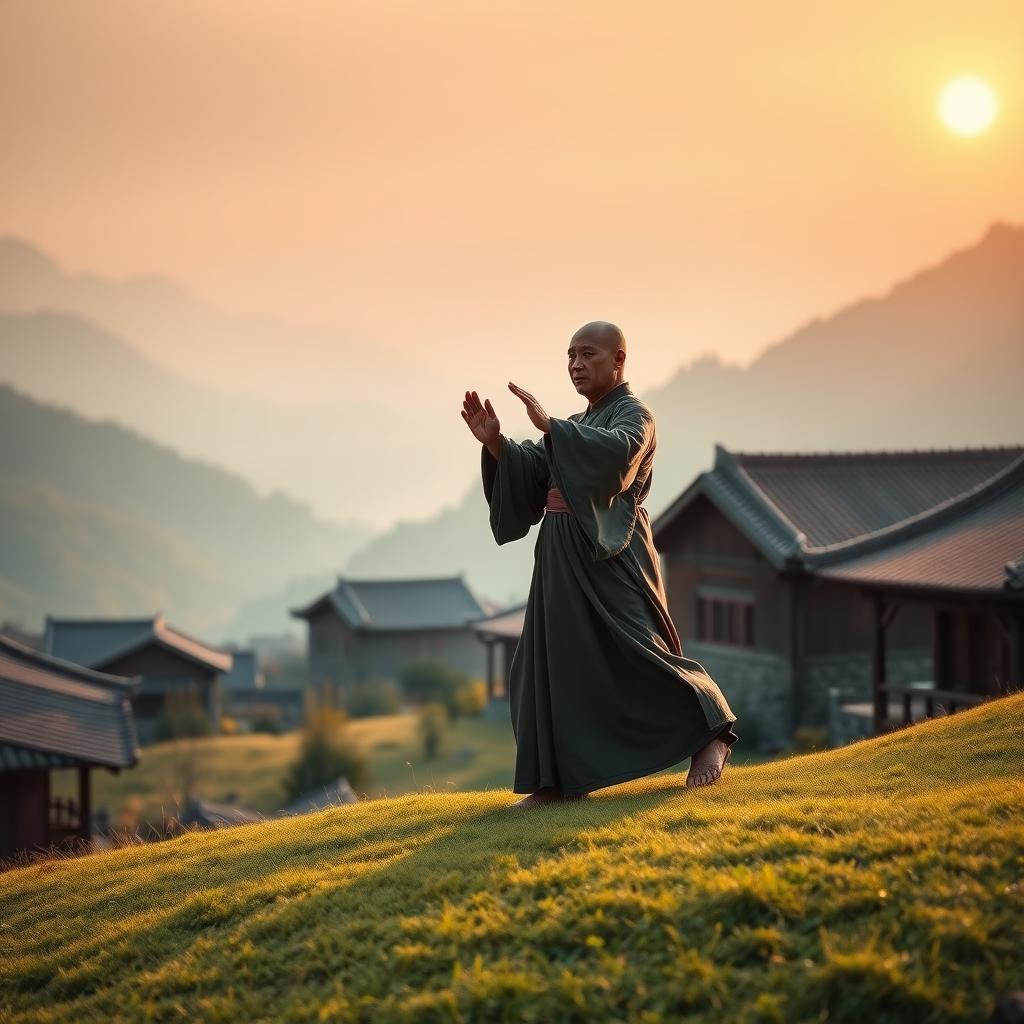
At its heart, The History and Philosophy of Tai Chi are deeply tied to Taoism, a philosophy centered on living in harmony with the natural world. Tai Chi embodies the concept of Yin and Yang—the balance of opposites. Every movement flows between soft and strong, fast and slow, creating a dynamic equilibrium.
The practice also draws on the idea of Qi, or life energy, which flows through the body. Tai Chi movements are designed to unblock and balance Qi, promoting physical and mental health. Practitioners focus on mindfulness, staying present in each motion, which fosters a sense of inner peace.
This philosophy extends beyond the individual. Tai Chi teaches patience, adaptability, and respect for others, making it a powerful tool for building stronger relationships. For families, these principles can translate into better communication and shared moments of calm.
Tai Chi Through the Ages
Over centuries, Tai Chi spread from rural China to urban centers and beyond. During the Qing Dynasty (1644–1912), it gained popularity among scholars and nobles seeking health and longevity. By the 20th century, masters like Yang Chengfu simplified Tai Chi, making it accessible to the masses.
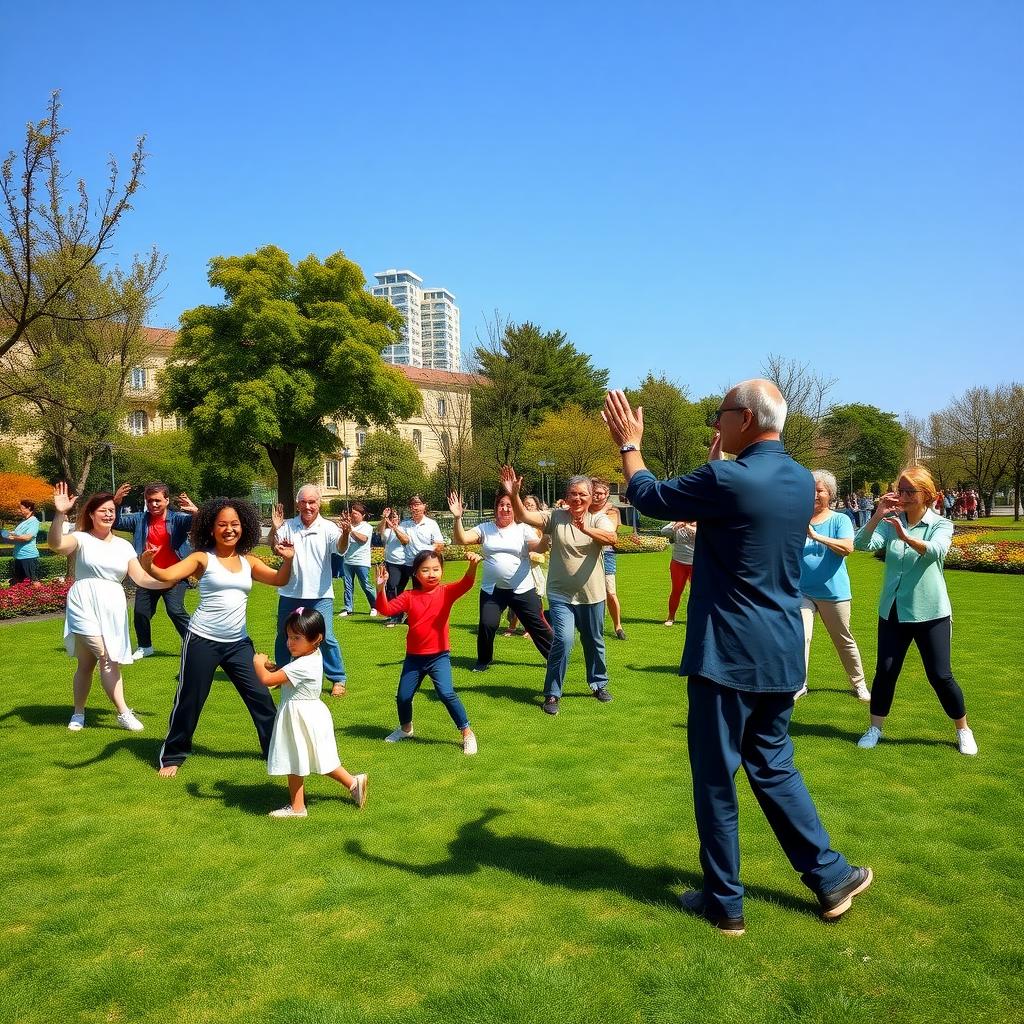
In the 1950s, the Chinese government promoted Tai Chi as a national exercise, leading to its global spread. Today, you can find Tai Chi classes in community centers, parks, and gyms worldwide. Its adaptability has made it a staple of family wellness, appealing to all ages.
Research supports Tai Chi’s benefits. A 2019 study in The Journal of Clinical Medicine found that regular practice improves balance, reduces stress, and enhances cardiovascular health. These benefits make it an ideal activity for families looking to stay active together.
Integrating Tai Chi into Family Wellness Plans
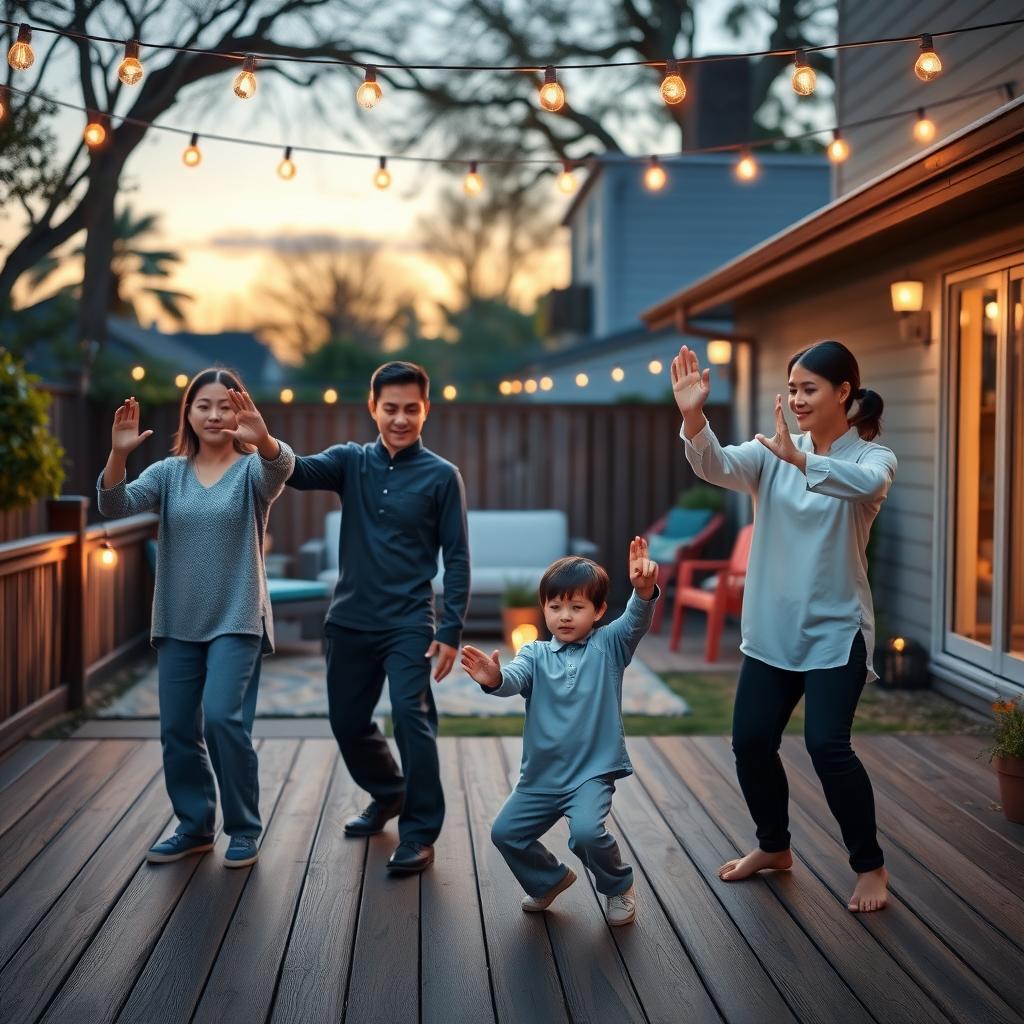
Integrating Tai Chi into family wellness plans is a practical way to promote health and togetherness. Unlike high-intensity workouts, Tai Chi’s gentle movements are accessible to everyone, from kids to grandparents. A family session can be as simple as 15 minutes in the backyard or living room.
Here’s how to get started:
- Find a teacher or online class: Look for local instructors or beginner-friendly videos on platforms like YouTube. Many communities offer free or low-cost classes in parks.
- Start small: Begin with short sessions (10–15 minutes) to build confidence. Focus on basic forms like 'Wave Hands Like Clouds.'
- Make it fun: Play calming music or practice outdoors to keep kids engaged. Encourage everyone to share how they feel after each session.
- Set a routine: Aim for 2–3 sessions per week. Consistency builds habits and strengthens family bonds.
Tai Chi fosters mindfulness, which can help families manage stress. For example, practicing together before dinner can create a calm, focused atmosphere. Kids learn patience, while adults gain flexibility and mental clarity.
Benefits for the Whole Family
Tai Chi offers unique benefits for every family member. For children, it improves focus and coordination. A 2021 study in Pediatric Exercise Science showed that kids practicing Tai Chi had better balance and concentration than their peers. For adults, it reduces stress and improves joint health. Seniors benefit from improved mobility and fall prevention, as noted in a 2020 Journal of Aging and Physical Activity study.
Beyond physical benefits, Tai Chi strengthens emotional connections. Practicing together encourages teamwork and mutual respect. Parents might notice kids opening up during sessions, sharing thoughts they’d otherwise keep to themselves. It’s a low-pressure way to connect.
I’ve seen this firsthand. My neighbor, a busy mom of two, started Tai Chi with her family during the pandemic. She told me it became their 'reset button,' helping everyone unwind and reconnect after long days.
Challenges and Tips for Success
Starting Tai Chi as a family isn’t without challenges. Kids might find it slow at first, and busy schedules can make consistency tough. Here are some tips to overcome these hurdles:
| Challenge | Solution |
|---|---|
| Lack of interest | Incorporate storytelling or games to make sessions engaging for kids. |
| Time constraints | Schedule short sessions during family downtime, like weekends. |
| Learning curve | Focus on one or two movements per session to build confidence. |
Patience is key. Tai Chi is about progress, not perfection. Celebrate small wins, like mastering a new form or feeling more relaxed after a session.
Summary
The History and Philosophy of Tai Chi reveal a practice rooted in balance, mindfulness, and harmony. From its origins in ancient China to its modern role in family wellness, Tai Chi offers a unique way to improve health and strengthen bonds. By integrating Tai Chi into family wellness plans, you can create lasting habits that benefit everyone. Start small, stay consistent, and enjoy the journey to a healthier, more connected family.

Discuss Here