As a parent, you want the best for your kids—especially when it comes to their health. But with so much conflicting advice online, it’s easy to fall for nutrition myths that sound convincing but lack evidence. This guide, Nutrition Myths Debunked: What Parents Need to Know, cuts through the noise to deliver practical, research-based insights for feeding your family well and keeping them active, especially during the summer.
I’ve been there myself, scrolling through parenting forums late at night, trying to figure out if gluten is secretly harming my kids or if they really need to avoid sugar entirely. The truth is, many nutrition myths come from half-truths or outdated science. Let’s dive into some of the most common ones and set the record straight.
Myth 1: Carbs Are the Enemy
One of the biggest myths is that carbohydrates are inherently bad. I used to worry that my kids’ love for pasta was setting them up for health problems. But carbs are a key energy source, especially for active kids. According to the Academy of Nutrition and Dietetics, complex carbs like whole grains, fruits, and vegetables provide essential nutrients and fuel for growing bodies.
Healthy Eating Tips for Active Kids: Focus on whole-grain options like brown rice or whole-wheat bread. Pair them with lean proteins and veggies for balanced meals. For example, my kids love whole-grain wraps stuffed with grilled chicken and colorful bell peppers. It’s quick, nutritious, and keeps them energized for soccer practice.

Myth 2: All Fats Are Unhealthy
I used to think fat-free was the way to go, swapping butter for low-fat spreads and avoiding avocados like the plague. But not all fats are created equal. Healthy fats, like those in nuts, seeds, avocados, and olive oil, are crucial for brain development and overall health, as noted by the American Heart Association.
For snacks, I now make Healthy Summer Snacks for Active Families like avocado toast on whole-grain bread or a handful of almonds with apple slices. These keep my kids full and focused during long summer days spent biking or swimming. The key is moderation—fats are calorie-dense, so a little goes a long way.
Myth 3: Kids Need Juice for Vitamins
I used to pack juice boxes in my kids’ lunch bags, thinking they were a healthy way to get vitamins. But most juices are loaded with sugar and lack the fiber found in whole fruits. The Centers for Disease Control and Prevention (CDC) recommends whole fruits over juice for kids to get fiber and nutrients without the sugar spike.
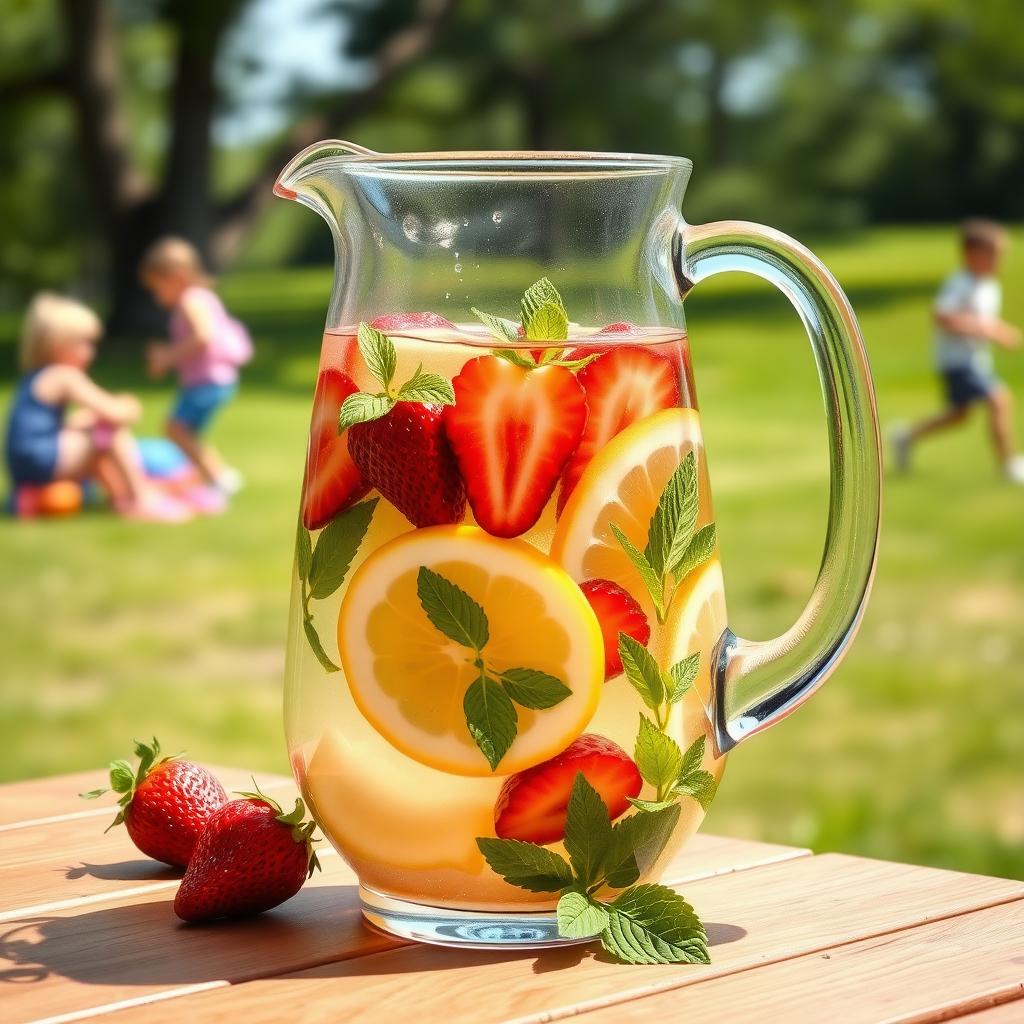
Instead of juice, try infusing water with fruit slices like lemon or berries for a refreshing drink. My kids love making their own ‘fancy water’ with strawberries and mint—it’s a fun activity that doubles as a healthy habit.
Myth 4: Sugar Makes Kids Hyper
This one hits close to home. I used to dread birthday parties, convinced that cake and candy would turn my kids into bouncing-off-the-walls monsters. But studies, like those summarized by the National Institutes of Health (NIH), show no consistent link between sugar and hyperactivity. The excitement of the event itself is often the real culprit.
That said, too much sugar isn’t great for anyone. I focus on natural sweeteners like fruit or small amounts of honey in desserts. For example, we make frozen banana ‘nice cream’ as a healthier treat that still feels indulgent.
Myth 5: Supplements Can Replace a Balanced Diet
I once thought a daily multivitamin could make up for my kids’ picky eating phases. But supplements aren’t a substitute for real food. The Mayo Clinic emphasizes that whole foods provide a complex mix of nutrients that pills can’t replicate.
If your child is a picky eater, try small, colorful plates with a variety of foods to make meals fun. My daughter refused veggies until we started making ‘rainbow plates’ with red tomatoes, yellow peppers, and green cucumbers. It’s amazing how presentation can change their willingness to try new things.
Keeping Kids Active: Family Fitness Activities for Summer
Nutrition is only half the equation—physical activity is just as important. Summer is the perfect time to get the whole family moving. Family Fitness Activities for Summer don’t have to be complicated. Simple activities like bike rides, nature hikes, or even a backyard obstacle course can keep everyone active and laughing.
One of our favorite activities is joining summer fitness challenges involving 5K runs. Last year, we signed up for a local 5K fun run. The kids loved training for it, and crossing the finish line together was a memory we’ll cherish forever. Many communities host family-friendly 5K events in the summer—check your local recreation center or sites like Active.com for events near you.

Tips for 5K Training with Kids: - Start Slow: Begin with short jogs or walk-run intervals to build stamina. - Make It Fun: Turn training into a game, like racing to the next tree or counting steps. - Stay Hydrated: Bring water bottles and take breaks as needed. - Celebrate Milestones: Reward progress with small treats like a trip to the park.
Combining good nutrition with regular activity sets kids up for lifelong healthy habits. It’s not about perfection—it’s about small, consistent choices. For example, swapping one sugary snack for fruit or adding a family walk after dinner can make a big difference over time.
Final Thoughts
Navigating nutrition as a parent can feel overwhelming, but you don’t need to overhaul everything overnight. Start by debunking one myth at a time and making small changes, like choosing whole grains or planning a family 5K. Your kids will thank you—not just for the healthy meals, but for the fun memories you create together.

Discuss Here