Overview
Family biking is a fantastic way to bond, stay active, and explore the outdoors together. This Beginner's Guide to Family Biking offers practical tips to start your family’s cycling journey. From choosing bikes to planning fun rides and even preparing for family-friendly 5K races, we’ll cover everything you need for a successful family fitness journey.
Why Family Biking?
Biking is more than just exercise—it’s an adventure that brings families closer. I remember the first time my family hit the local trail. The kids were giggling, the breeze was refreshing, and we all felt a sense of freedom. It’s one of the best fun outdoor activities for families because it’s accessible, affordable, and adaptable to all ages. Whether you’re pedaling through a park or training for a 5K race, biking builds memories and healthy habits.
Studies show that regular physical activity, like biking, improves kids’ focus and reduces stress for adults. The American Academy of Pediatrics recommends 60 minutes of daily activity for children, and biking is a low-impact way to meet that goal. Plus, it’s eco-friendly and gets everyone outside, soaking up vitamin D.
Choosing the Right Bikes
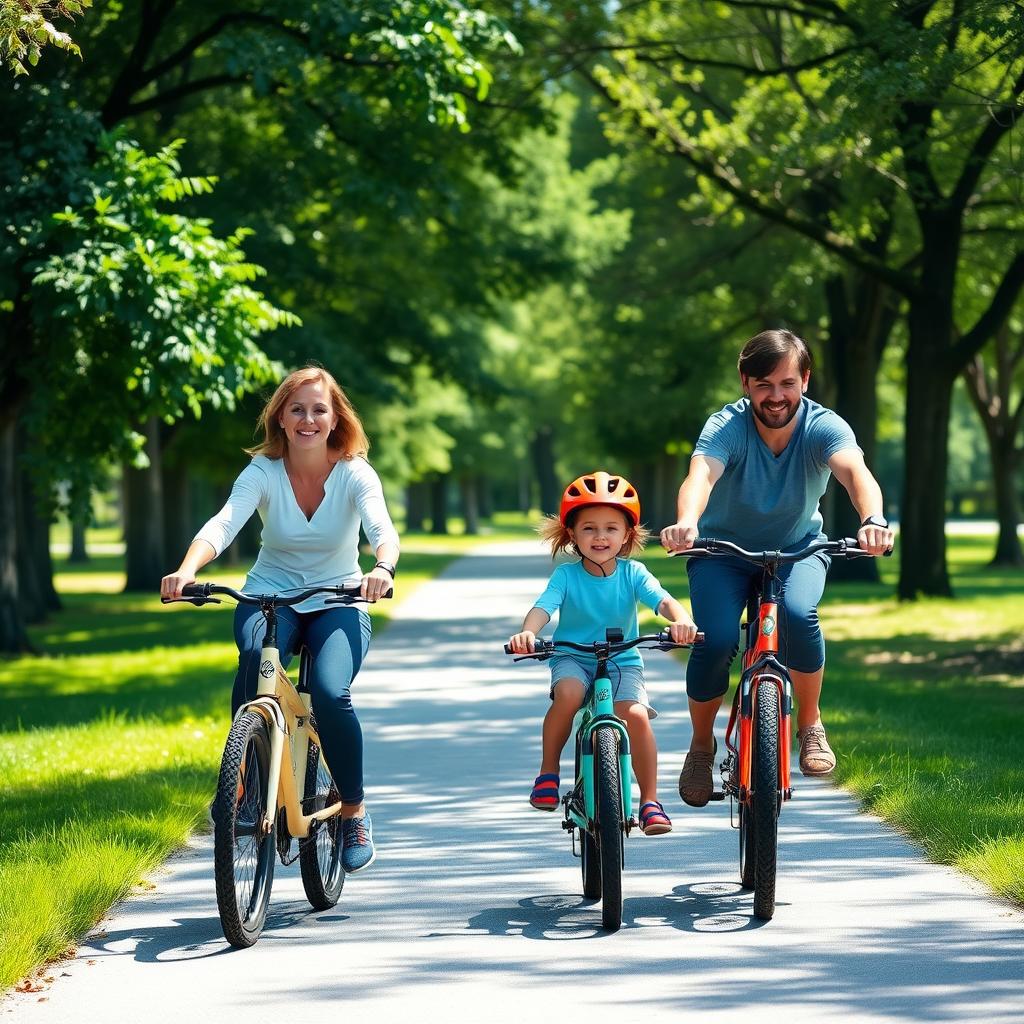
The first step in your family biking journey is picking the right bikes. For adults, consider hybrid or road bikes for versatility. Kids need bikes that fit their size—too big, and they’ll struggle; too small, and they’ll outgrow it fast. Visit a local bike shop to get properly fitted. My daughter’s face lit up when she got her bright red bike with streamers, perfectly sized for her 7-year-old frame.
Here’s a quick guide to bike types:
| Age Group | Bike Type | Key Features |
|---|---|---|
| Toddlers (2-4) | Balance bikes | No pedals, teaches balance |
| Kids (5-8) | 16-20 inch bikes | Training wheels optional |
| Teens | Adult-sized bikes | Adjustable seats, gears |
| Adults | Hybrid/road bikes | Durable, multi-terrain |
Don’t forget helmets! The Consumer Product Safety Commission emphasizes that helmets reduce head injury risk by 85%. Ensure everyone’s helmet fits snugly.
Safety First: Tips for a Successful Family Fitness Journey
Safety is non-negotiable. Before our first family ride, I made a checklist to keep everyone safe. Start with a bike check: tires inflated, brakes working, chains lubricated. Teach kids basic hand signals—left arm out for a left turn, right arm for a right turn. Practice in a quiet parking lot before hitting trails.
Here are key safety tips: - Wear bright clothing: Visibility matters, especially near roads. - Ride single file: On busy trails, keep kids behind adults. - Stay hydrated: Bring water bottles for everyone. - Know the rules: Obey trail signs and local traffic laws.
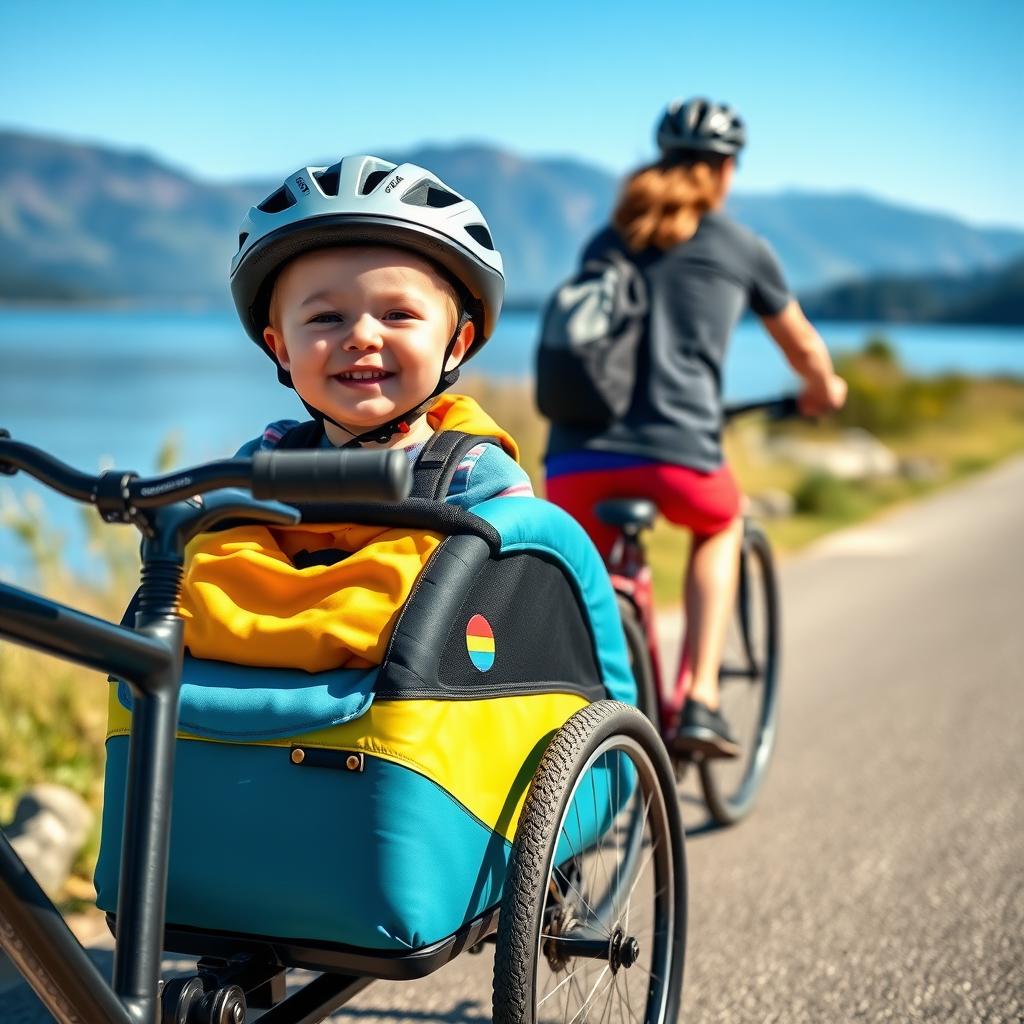
For younger kids, consider a bike trailer or tag-along bike. These let them join the fun without needing to keep up. We used a trailer for my 4-year-old, and he loved waving at passersby from his cozy seat.
Planning Your First Family Ride
Start small. A 1-2 mile flat trail is perfect for beginners. Local parks often have family-friendly paths—check your city’s parks department website for maps. Our first ride was a 1.5-mile loop around a lake. The kids were thrilled spotting ducks, and we stopped for a picnic halfway.
Plan your route with these tips: - Choose flat terrain: Avoid hills until everyone’s confident. - Pack snacks: Granola bars or fruit keep energy high. - Set a slow pace: Let the youngest rider set the speed. - Take breaks: Stop every 15-20 minutes for rest or exploration.
Apps like AllTrails can help you find beginner-friendly routes. Gradually increase distance as your family builds stamina.
Building Up to Family-Friendly 5K Races
Once your family is comfortable biking, consider joining a family-friendly 5K race. These events are perfect for adding excitement to your family fitness journey. Many 5K races include biking categories, often on closed roads or trails, making them safe for kids. Our first 5K was a community event with balloons and music—the kids still talk about their ‘race medals.’
To prepare: 1. Train together: Practice 3-4 miles a few times a week. 2. Simulate race day: Ride in a group to get used to others nearby. 3. Check event details: Ensure the race allows kids and has a bike-friendly course.
Websites like Active.com list local 5K races with family categories. Start with a fun, low-pressure event to build confidence.
Making Biking a Family Habit
Consistency turns biking into a lifestyle. Set a weekly ride day—Sundays work for us. Mix up locations to keep it exciting: try a beachfront path or a forest trail. Involve kids in planning; my son loves picking our next ‘adventure spot.’
To keep motivation high: - Set goals: Aim for a new distance or a fun destination. - Celebrate milestones: Ice cream after a long ride is a hit. - Involve friends: Group rides make it social.
Biking also teaches kids resilience. When my daughter fell and scraped her knee, she got back on her bike after a quick bandage. That moment of grit was worth more than any medal.

Overcoming Common Challenges
Every family faces hurdles. Bad weather, busy schedules, or picky kids can derail plans. On rainy days, we practice bike skills indoors, like balancing games. If time’s tight, a quick 15-minute ride around the neighborhood still counts. For reluctant kids, let them decorate their bikes or choose a fun destination, like a playground.
If someone’s struggling with stamina, slow down or shorten the ride. Patience is key—our youngest took weeks to feel confident without training wheels, but now he zooms ahead.
Summary
Family biking is a rewarding way to stay active, bond, and explore. This Beginner's Guide to Family Biking has covered choosing bikes, staying safe, planning rides, and even aiming for family-friendly 5K races. With a little preparation, biking can become a cherished part of your family’s routine, creating memories and healthy habits that last a lifetime.

Discuss Here