Overview: What Is Chronic Vomiting?
Chronic vomiting refers to repeated episodes of vomiting that persist for weeks or months. Unlike occasional nausea, chronic vomiting in adults can stem from various medical, dietary, or psychological triggers. It’s a symptom, not a disease, and pinpointing the cause is key to effective treatment. Conditions like Chronic FPIES, gastrointestinal disorders, and lifestyle factors all play a role. This article dives into these causes, offering insights to help you navigate this challenging condition.
Why Chronic Vomiting Matters
Vomiting now and then is unpleasant but usually harmless. When it becomes chronic, it can lead to dehydration, weight loss, and nutrient deficiencies. It disrupts work, social life, and mental well-being. I’ve seen friends struggle with this, feeling embarrassed or isolated because they couldn’t predict when it would strike. Understanding the causes of chronic vomiting in adults is the first step to reclaiming control. Let’s explore the main culprits.
Gastrointestinal Disorders: A Common Culprit
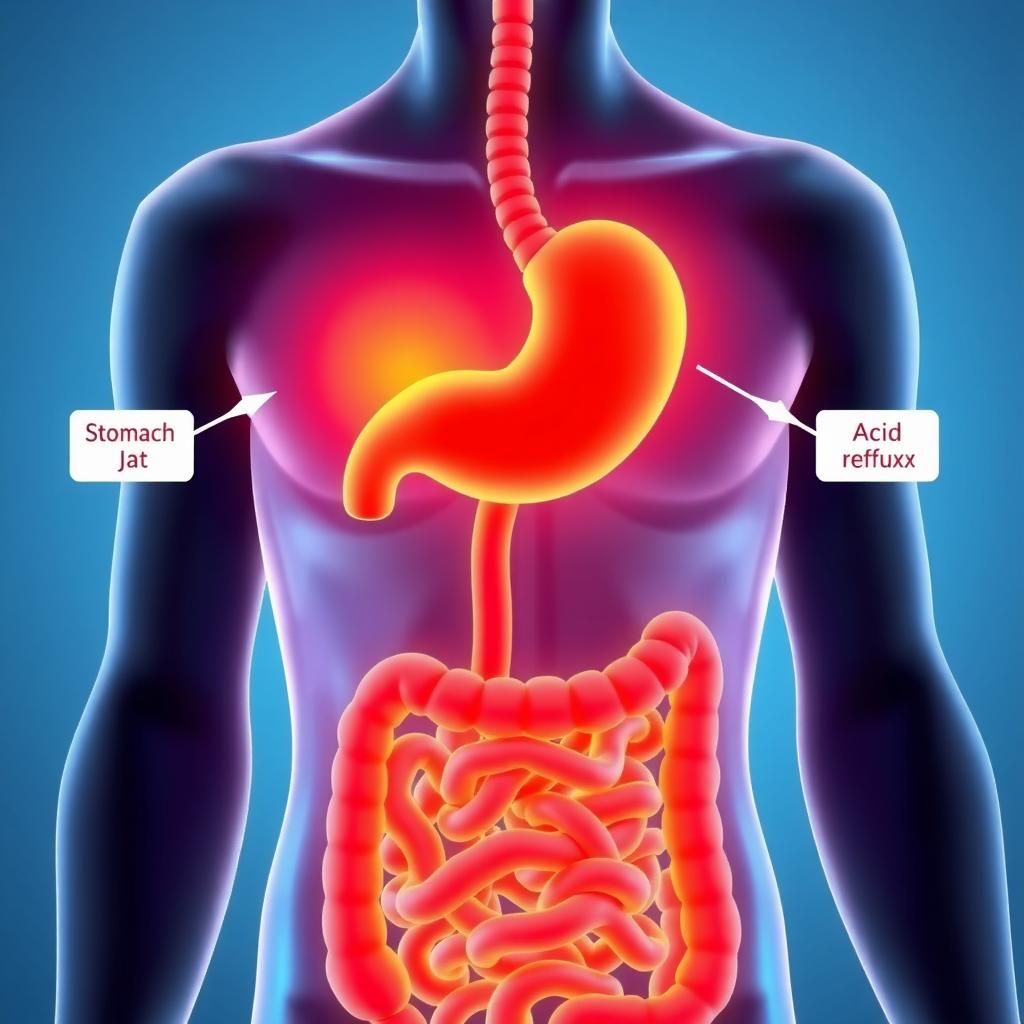
Many cases of chronic vomiting stem from issues in the digestive system. Conditions like gastroesophageal reflux disease (GERD) cause stomach acid to flow back into the esophagus, triggering nausea and vomiting. Gastroparesis, where the stomach empties too slowly, can also lead to persistent vomiting. I remember a colleague who dealt with gastroparesis—meals became a gamble, as food could sit in her stomach for hours, causing discomfort and vomiting.
Irritable bowel syndrome (IBS) and inflammatory bowel disease (IBD), like Crohn’s or ulcerative colitis, are other common triggers. These conditions inflame the digestive tract, leading to symptoms like diarrhea, pain, and vomiting. According to the Cleveland Clinic, gastroparesis affects about 1 in 10,000 people, often linked to diabetes or surgery. If you’re experiencing chronic vomiting alongside abdominal pain or irregular bowel movements, these conditions might be worth investigating.
Chronic FPIES: A Lesser-Known Cause
Food Protein-Induced Enterocolitis Syndrome (FPIES) is a non-IgE-mediated food allergy that can cause chronic vomiting, especially in adults with adult-onset cases. Chronic FPIES Symptoms include repetitive vomiting, diarrhea, and lethargy, often triggered by foods like milk, soy, grains, or seafood. Unlike typical allergies, FPIES reactions are delayed, occurring 1-4 hours after eating, making it tricky to diagnose.
Chronic FPIES is rare in adults, affecting about 0.22% of the population, with shellfish being a common trigger. A friend’s uncle discovered he had FPIES after years of unexplained vomiting after eating shrimp. He worked with a dietitian to identify triggers, which changed his life. The American Academy of Allergy, Asthma & Immunology) notes that FPIES is often misdiagnosed as a stomach bug due to its delayed symptoms.
Neurological and Psychological Triggers
The brain and gut are closely connected, and neurological issues can lead to chronic vomiting. Cyclic vomiting syndrome (CVS) is a disorder marked by sudden, intense vomiting episodes with no clear cause. Stress, anxiety, or migraines can trigger CVS. I’ve met people who describe CVS as feeling like their body is stuck in a loop, with vomiting episodes lasting days.
Psychological factors, like anxiety or eating disorders such as bulimia, can also contribute. Stress-induced nausea is real—think of the last time you were nervous before a big event. For some, this becomes chronic, especially if anxiety is unmanaged. The National Institute of Mental Health highlights that anxiety disorders affect over 30% of adults, and nausea is a common physical symptom.

Medications and Lifestyle Factors
Certain medications, like chemotherapy drugs, opioids, or antibiotics, can irritate the stomach and cause chronic vomiting. If you’ve started a new medication and noticed vomiting, talk to your doctor. Lifestyle factors, like excessive alcohol or caffeine, can also trigger vomiting. I’ve seen people cut back on coffee and feel better almost immediately.
Pregnancy can cause chronic vomiting in some women, especially in the first trimester or with hyperemesis gravidarum, a severe form of morning sickness. Chronic dehydration or poor diet can worsen symptoms, too. Keeping a food diary, like my friend did when she suspected gluten was her issue, can help identify patterns.
When to Seek Medical Help
Chronic vomiting isn’t something to ignore. If you’re vomiting regularly, losing weight, or feeling dehydrated (think dry mouth or dark urine), see a doctor. Severe symptoms, like blood in vomit or confusion, need immediate attention. The Mayo Clinic advises seeking care if vomiting lasts more than a few days or is accompanied by fever or pain.
For Chronic FPIES, an allergist or gastroenterologist can help. They might recommend an elimination diet or an oral food challenge to pinpoint triggers. I’ve seen how life-changing it can be to get a proper diagnosis—suddenly, you have a plan instead of guesswork.

Managing Chronic Vomiting: Practical Tips
Managing chronic vomiting starts with identifying triggers. Here’s a quick guide:
| Strategy | How It Helps |
|---|---|
| Keep a food diary | Tracks what you eat and when vomiting occurs |
| Stay hydrated | Prevents dehydration from frequent vomiting |
| Eat small, frequent meals | Reduces strain on the stomach |
| Avoid known triggers | Key for Chronic FPIES and food-related causes |
| Manage stress | Reduces psychological triggers like anxiety |
For FPIES, strict avoidance of trigger foods is crucial. Work with a dietitian to ensure you’re getting proper nutrition. Medications like antiemetics (e.g., ondansetron) can help during episodes, but always consult a doctor first.
Living with Chronic Vomiting
Living with chronic vomiting can feel overwhelming, but you’re not alone. Support groups, like those offered by the International FPIES Association, can connect you with others who understand. I’ve seen how sharing experiences can make you feel less isolated. Experimenting with dietary changes, like hypoallergenic foods for FPIES, or stress management techniques, like meditation, can make a big difference.
Summary: Taking Control of Chronic Vomiting
Chronic vomiting in adults can stem from gastrointestinal issues, Chronic FPIES, neurological conditions, or lifestyle factors. Identifying the cause—whether it’s GERD, CVS, or FPIES—requires patience and often medical guidance. By tracking symptoms, avoiding triggers, and seeking professional help, you can manage this condition and improve your quality of life. Stay proactive, and don’t hesitate to reach out to a healthcare provider for answers.

Discuss Here