Overview: Understanding Acute FPIES
Acute Food Protein-Induced Enterocolitis Syndrome (FPIES) is a rare but serious food allergy that primarily affects infants and young children. Unlike typical allergies, it doesn’t cause hives or wheezing. Instead, it triggers intense vomiting, diarrhea, and dehydration, often hours after eating certain foods. This guide dives into Acute FPIES: What You Need to Know, offering insights for parents navigating this challenging condition.
What Is Acute FPIES?
Acute FPIES is a non-IgE-mediated food allergy, meaning it doesn’t involve the immune system’s typical allergic response. It affects the gastrointestinal system, causing severe reactions when a trigger food is consumed. Common culprits include milk, soy, grains like rice or oats, and sometimes fruits or vegetables. Reactions typically occur 1-4 hours after ingestion, making it tricky to pinpoint the cause.
When my son was diagnosed with Acute FPIES at 10 months, it was a shock. He’d been happily eating rice cereal for weeks, then one day, he vomited uncontrollably and turned pale. The pediatrician initially suspected a stomach bug, but the pattern repeated with other foods. That’s when we learned about FPIES and its unique challenges.

Symptoms of Acute FPIES
The hallmark of Acute FPIES is repetitive, forceful vomiting, often leading to dehydration. Other symptoms include:
- Lethargy: Your child may appear unusually tired or floppy.
- Pale skin: A grayish or ashen complexion is common.
- Diarrhea: This may follow vomiting, sometimes hours later.
- Low blood pressure: In severe cases, this can lead to shock.
These symptoms can be terrifying. During my son’s first reaction, I felt helpless watching him grow weaker. Knowing what to look for helped us act quickly.
How Is Acute FPIES Different from Chronic FPIES?
While Acute FPIES involves sudden, intense reactions after eating trigger foods, Chronic FPIES is more insidious. Chronic FPIES symptoms include persistent diarrhea, poor weight gain, and irritability, often from regular exposure to a trigger food, like formula. Over time, Chronic FPIES symptoms and long-term effects can lead to nutritional deficiencies or growth delays if not addressed.
The key difference lies in timing and exposure. Acute FPIES hits hard and fast, while Chronic FPIES builds slowly. For example, a child with Chronic FPIES might struggle with weight gain over weeks of drinking milk-based formula before the connection is made. Both forms require careful management, but Acute FPIES often demands urgent medical attention.
Diagnosing Acute FPIES
Diagnosing FPIES can be a challenge because there’s no simple blood test or skin prick, unlike other allergies. Doctors rely on:
- Medical history: Tracking symptoms and food intake.
- Elimination diets: Removing suspected triggers to see if symptoms resolve.
- Oral food challenges: Conducted under medical supervision to confirm triggers.
Our journey to diagnosis took months. We kept a detailed food diary, which was a game-changer. Writing down everything my son ate and his reactions helped our allergist identify rice and oats as triggers.

Common Trigger Foods for FPIES
While any food can theoretically cause FPIES, some are more common. Here’s a quick look:
| Food Group | Common Triggers |
|---|---|
| Grains | Rice, oats, wheat |
| Dairy | Cow’s milk, soy |
| Proteins | Egg, poultry, fish |
| Fruits/Veggies | Avocado, banana, sweet potato |
Not all kids react to the same foods. My son was fine with bananas but couldn’t tolerate rice, which surprised me since rice is often considered a ‘safe’ first food.
Managing Acute FPIES: Practical Tips
Managing Acute FPIES means avoiding trigger foods and being prepared for reactions. Here are actionable steps:
- Work with a specialist: An allergist or gastroenterologist can guide you.
- Keep a food diary: Track what your child eats and any symptoms.
- Have an emergency plan: Reactions can escalate quickly. Our doctor gave us a letter explaining FPIES for ER visits, which was a lifesaver.
- Introduce new foods slowly: Try one new food at a time, in small amounts, and monitor for reactions.
- Stay hydrated: If a reaction occurs, rehydration solutions like Pedialyte can help until you get medical care.
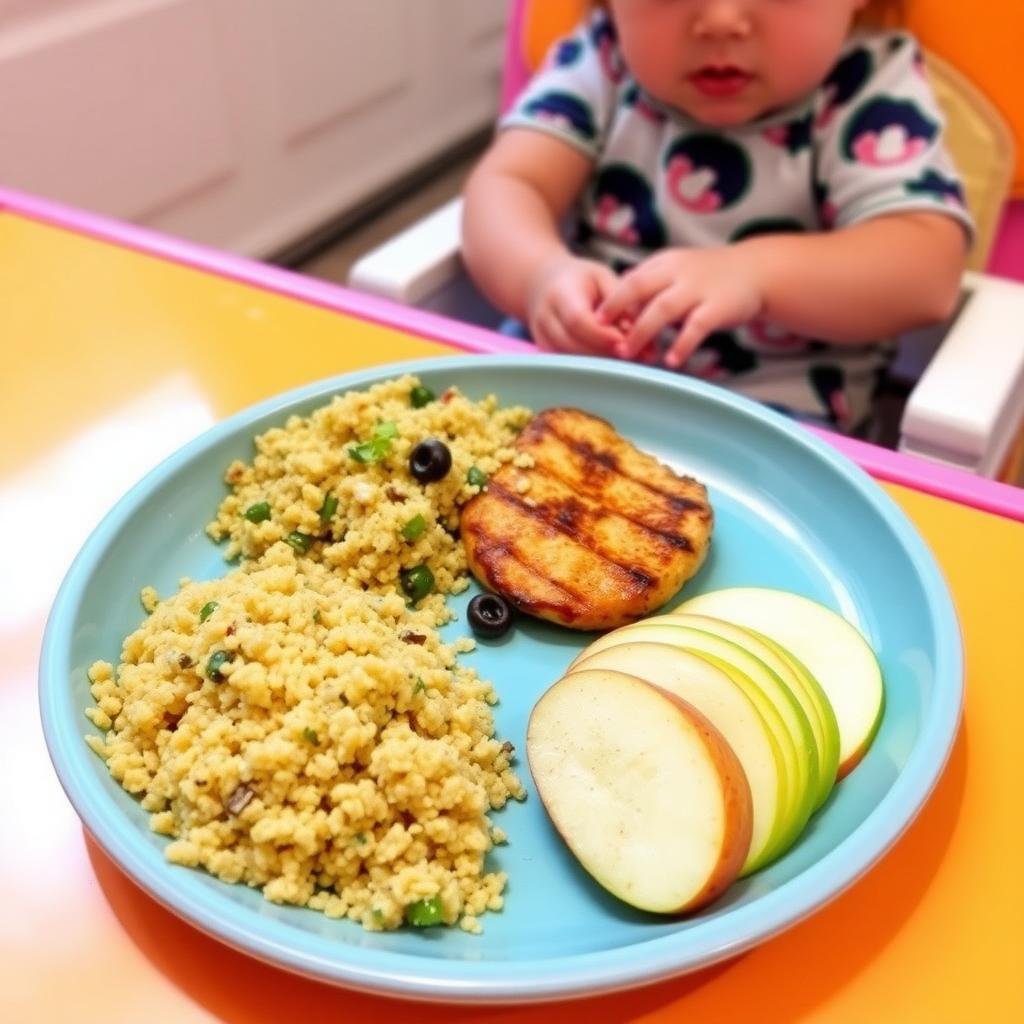
One tip that worked for us was preparing ‘safe’ meals in advance. I’d batch-cook foods we knew were okay, like quinoa and apples, so we always had options ready. It reduced stress and kept my son’s diet varied.
Chronic FPIES: Symptoms and Long-Term Effects
For kids with Chronic FPIES, the symptoms are less dramatic but can be just as serious. Persistent diarrhea, vomiting, or failure to thrive can signal Chronic FPIES. If a child is exposed to a trigger food regularly, it can lead to:
- Nutritional deficiencies: Lack of key nutrients like iron or protein.
- Growth delays: Poor weight gain or stunted growth.
- Behavioral changes: Irritability or feeding aversions.
Addressing Chronic FPIES symptoms and long-term effects requires removing the trigger food and often working with a dietitian to ensure a balanced diet. In some cases, hypoallergenic formulas are needed.
Living with FPIES: Emotional and Practical Challenges
Raising a child with FPIES can feel isolating. Birthday parties, daycares, and even family dinners become logistical puzzles. I remember crying after turning down a playdate because I couldn’t trust the snacks would be safe. Connecting with other FPIES parents through online support groups, like those on the FPIES Foundation website, helped me feel less alone.
It’s also worth noting that many kids outgrow FPIES by age 3-5, though some may have lingering sensitivities. Regular check-ins with your doctor can track progress and guide food reintroductions. Knowing there’s light at the end of the tunnel kept me hopeful.
When to Seek Medical Help
If your child has a reaction, don’t wait. Seek medical care if you see:
- Severe vomiting lasting over an hour
- Signs of dehydration (dry mouth, no tears, sunken eyes)
- Lethargy or unresponsiveness
In severe cases, IV fluids or steroids may be needed. Always carry your doctor’s emergency plan and inform caregivers about your child’s condition.
Summary: Navigating Acute and Chronic FPIES
Acute FPIES is a rare but manageable condition with the right knowledge and support. By understanding triggers, tracking symptoms, and working with specialists, parents can help their kids thrive. While Chronic FPIES symptoms and long-term effects require ongoing care, many children outgrow FPIES, offering hope for the future. Stay informed, stay prepared, and connect with others for support.

Discuss Here