Overview
The Science Behind Personalized Nutrition is transforming how we approach food and health. Unlike one-size-fits-all diets, personalized nutrition uses your unique biology, lifestyle, and goals to create a tailored eating plan. This article dives into why personalized diets are gaining popularity, the role of dietitians, and how they help manage conditions like chronic FPIES.
Why Personalized Nutrition Matters
Imagine a diet designed just for you. Not a generic plan from a magazine, but one based on your body’s needs. That’s what The Science Behind Personalized Nutrition offers. It’s rooted in the idea that everyone’s body responds differently to food. Factors like genetics, gut health, activity levels, and even stress play a role in how your body processes nutrients.
For example, some people thrive on high-carb diets, while others feel better with more protein. A 2020 study in Nature Medicine found that personalized diets based on gut microbiome data improved blood sugar control better than standard diets. This shows how science is reshaping how we eat.
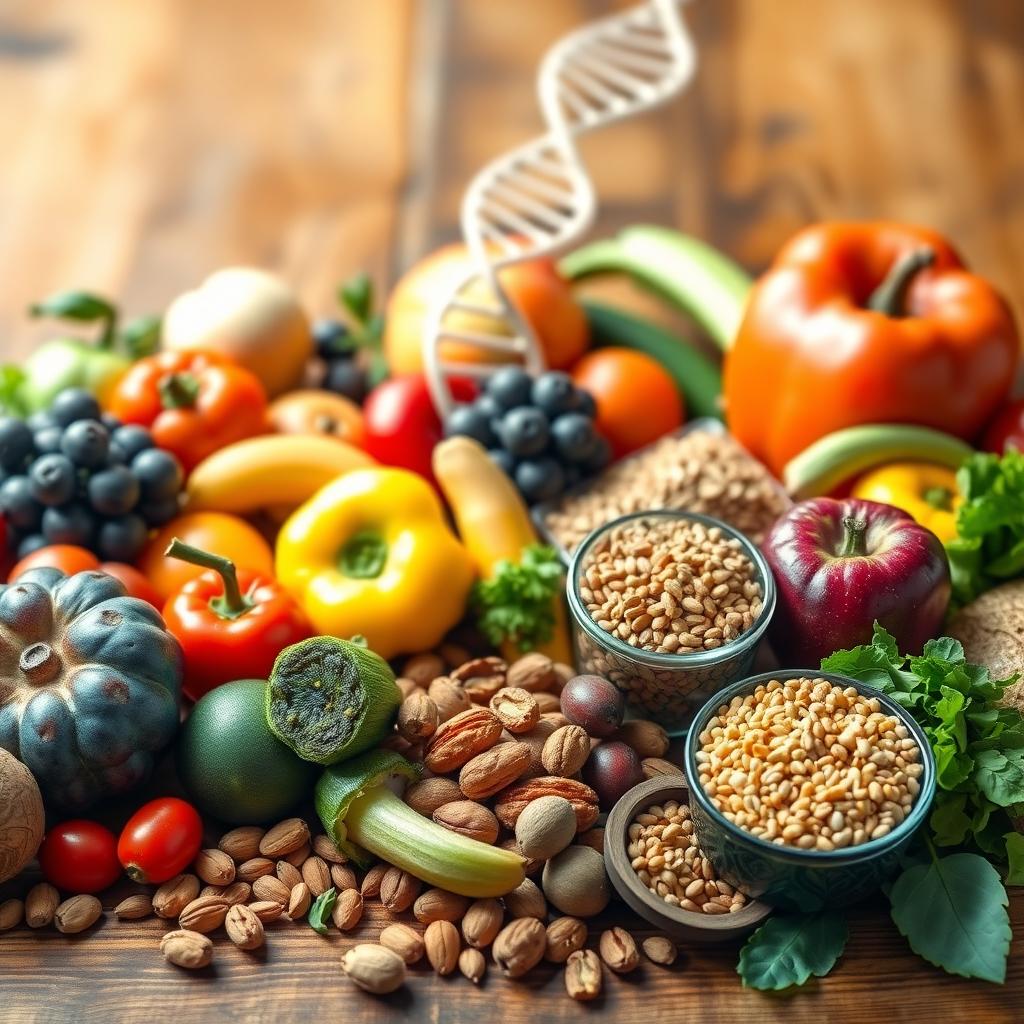
Personalized Diets: The Next Big Thing
Personalized Diets: The Next Big Thing isn’t just a catchy phrase—it’s a movement. People are tired of fad diets that promise quick fixes but don’t last. Personalized nutrition focuses on sustainability. By analyzing your DNA, blood markers, or even food sensitivities, experts can create a plan that works for you long-term.
Take Sarah, a 35-year-old teacher who struggled with fatigue. After a DNA test revealed she had a gene variant affecting how she processes fats, her dietitian crafted a low-fat, plant-based plan. Within weeks, Sarah felt more energized. Stories like hers show why personalized diets are gaining traction.
How It Works
Personalized nutrition starts with data. Here’s what experts might look at:
- Genetics: Tests like 23andMe can reveal how your body handles nutrients.
- Gut Health: Your microbiome affects digestion and nutrient absorption.
- Lifestyle: Sleep, stress, and exercise influence dietary needs.
- Medical History: Conditions like diabetes or FPIES require specific strategies.
Dietitians use this data to recommend foods, portion sizes, and even meal timing. For instance, someone with insulin resistance might benefit from eating smaller, protein-rich meals throughout the day.
The Benefits of Working with a Dietitian
Dietitians are the unsung heroes of personalized nutrition. They don’t just hand you a meal plan—they dig into your life to create something practical. The Benefits of Working with a Dietitian include expert guidance, accountability, and a plan that fits your routine.
For example, dietitians can interpret complex test results, like those from a gut microbiome analysis, and translate them into simple meal ideas. They also adjust plans as your needs change, like during pregnancy or after a new diagnosis. A 2019 study in The Lancet showed that dietitian-led interventions improved outcomes for people with chronic diseases compared to self-managed diets.

The Role of Dietitians in Managing Chronic Conditions
The Role of Dietitians in Managing Chronic Conditions is critical. Conditions like diabetes, heart disease, or food allergies require more than generic advice. Dietitians create targeted plans to reduce symptoms and improve quality of life.
Take diabetes: A dietitian might recommend low-glycemic foods to stabilize blood sugar, while also considering your food preferences. For heart disease, they might focus on heart-healthy fats and sodium reduction. Their expertise ensures you’re not just eating healthier but eating smarter.
Dietitians also provide emotional support. Living with a chronic condition can feel overwhelming, but a dietitian helps you navigate food choices with confidence.
Managing Chronic FPIES: Nutritional Strategies
Food Protein-Induced Enterocolitis Syndrome (FPIES) is a rare food allergy that often affects young children. Managing Chronic FPIES: Nutritional Strategies requires careful planning. FPIES triggers severe reactions to certain foods, like vomiting or diarrhea, making dietary management tricky.
Dietitians play a key role here. They help identify trigger foods through elimination diets and ensure nutritional balance. For example, if dairy is a trigger, a dietitian might suggest calcium-rich alternatives like fortified plant milks. They also monitor growth in children to ensure they’re getting enough nutrients.
Here’s a sample approach for managing FPIES:
| Step | Action |
|---|---|
| 1. Identify Triggers | Work with a dietitian to track symptoms and pinpoint problem foods. |
| 2. Elimination Diet | Remove trigger foods for a set period, usually 2-4 weeks. |
| 3. Reintroduction | Slowly reintroduce foods under medical supervision. |
| 4. Nutrient Balance | Ensure adequate intake of vitamins and minerals through safe foods. |
A 2021 study in Pediatric Allergy and Immunology highlighted that dietitian-guided plans reduced FPIES symptoms in 80% of cases.

Challenges and Considerations
Personalized nutrition isn’t without hurdles. Testing can be expensive, and not all insurance plans cover it. Access to dietitians may also be limited in rural areas. Plus, sticking to a tailored plan requires commitment—life gets busy, and old habits creep back.
Still, the benefits often outweigh the challenges. Technology is making personalized nutrition more accessible. Apps like MyFitnessPal now integrate with DNA tests, and telehealth connects people with dietitians remotely. As science advances, costs are likely to drop, making this approach more mainstream.
Getting Started with Personalized Nutrition
Ready to try it? Start small:
- Track Your Diet: Use a food diary to note what you eat and how you feel.
- Consult a Dietitian: Find a registered dietitian through the Academy of Nutrition and Dietetics (eatright.org).
- Consider Testing: Ask about genetic or microbiome tests if you’re curious.
- Be Patient: Personalization takes time, but the results are worth it.
Talk to your doctor before making big changes, especially if you have a chronic condition like FPIES.
Summary
The Science Behind Personalized Nutrition is paving the way for healthier, happier lives. By tailoring diets to your unique needs, you can boost energy, manage chronic conditions, and feel your best. Dietitians are key to making this science practical, especially for complex conditions like FPIES. As personalized diets grow in popularity, they’re proving to be more than a trend—they’re the future of nutrition.

Discuss Here