Overview
Starting a physical activity program can feel overwhelming, especially if you're new to fitness. But with the right mindset and approach, anyone can embrace an active lifestyle. This guide, Getting Started with Physical Activity Programs: A Guide for Newbies, offers practical steps, personal insights, and expert-backed advice to help you begin your journey toward better health and wellness.
Why Start a Physical Activity Program?
I remember my first attempt at a fitness routine—nervous, unsure, and worried I’d fail. But the truth is, starting small can lead to big changes. Physical activity isn’t just about losing weight or building muscle; it’s about feeling better, reducing stress, and boosting your energy. An active lifestyle can lower your risk of chronic diseases like heart disease and diabetes. According to the Centers for Disease Control and Prevention (CDC), regular physical activity improves mental health, strengthens bones, and even helps you sleep better.
The beauty of Understanding Wellness Programs for Beginners is that they’re designed to meet you where you are. Whether you’re walking around the block or trying a gym class, every step counts.

Choosing the Right Physical Activity Program
Not every program fits every person. When I started, I tried a high-intensity workout that left me exhausted and discouraged. The key is finding something you enjoy. Here’s how to choose:
- Assess Your Goals: Want to reduce stress? Improve stamina? Build strength? Your goals shape your program.
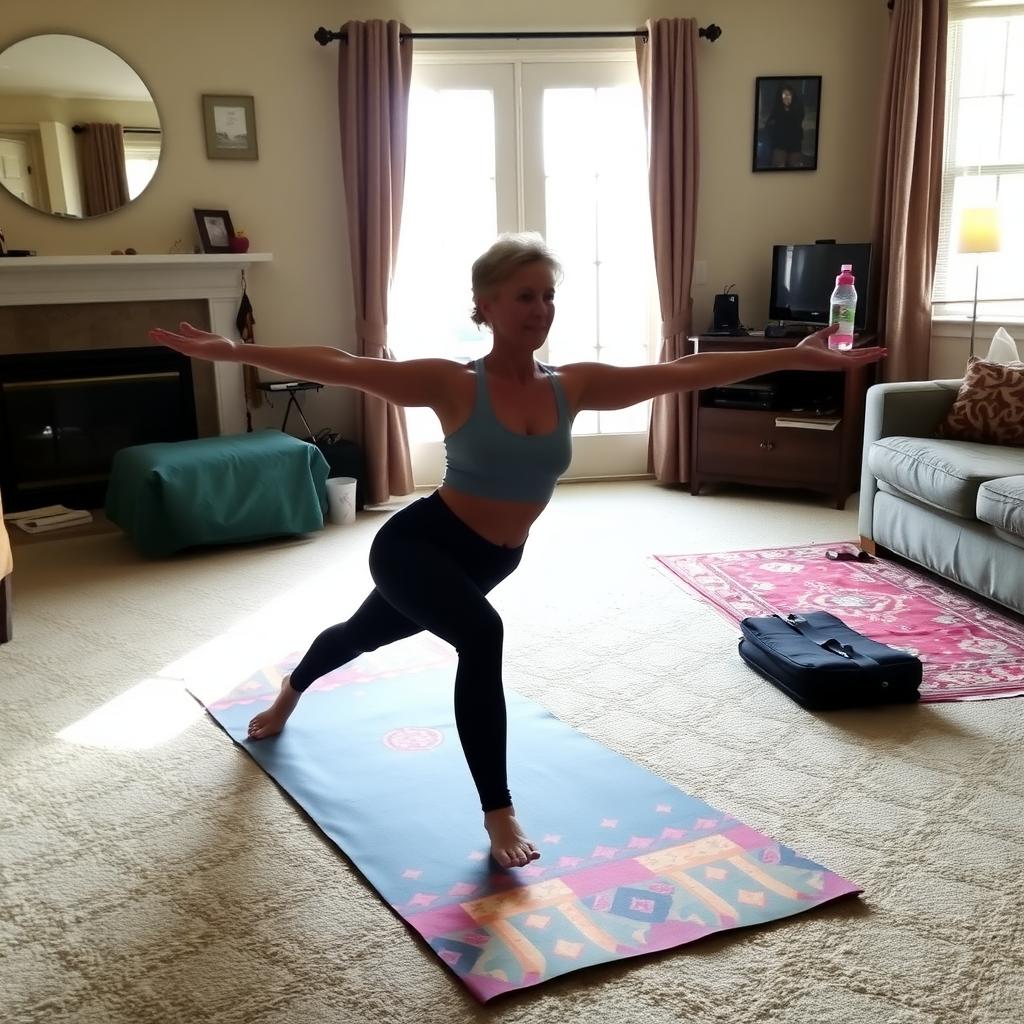
- Consider Your Fitness Level: Beginners should start with low-impact activities like walking, yoga, or swimming.
- Explore Options: Try group classes, online workouts, or solo activities. Many community centers offer beginner-friendly programs.
- Time Commitment: Start with 20-30 minutes, 3-4 times a week, as recommended by the American Heart Association.
Test different activities to see what feels right. I found walking meditative and fun, which kept me consistent.
Building an Active Lifestyle
An active lifestyle isn’t about spending hours in the gym. It’s about weaving movement into your day. Small changes, like taking stairs or biking to work, add up. For me, swapping one daily drive for a 15-minute walk was a game-changer. It not only boosted my mood but also helped with active lifestyle and stress reduction. Research from Harvard Medical School shows that exercise triggers endorphins, which naturally reduce stress.
Here’s a simple plan to get moving:
| Day | Activity | Duration |
|---|---|---|
| Monday | Brisk walking | 20 minutes |
| Wednesday | Yoga or stretching | 15 minutes |
| Friday | Light strength training | 20 minutes |
| Sunday | Fun activity (e.g., dancing) | 30 minutes |
Start small, and don’t worry about perfection.
Overcoming Common Barriers
Let’s be real—starting is hard. I used to make excuses: no time, too tired, or just not motivated. Here’s how to tackle common hurdles:
- Time Constraints: Break workouts into 10-minute chunks. Even short bursts of activity count.
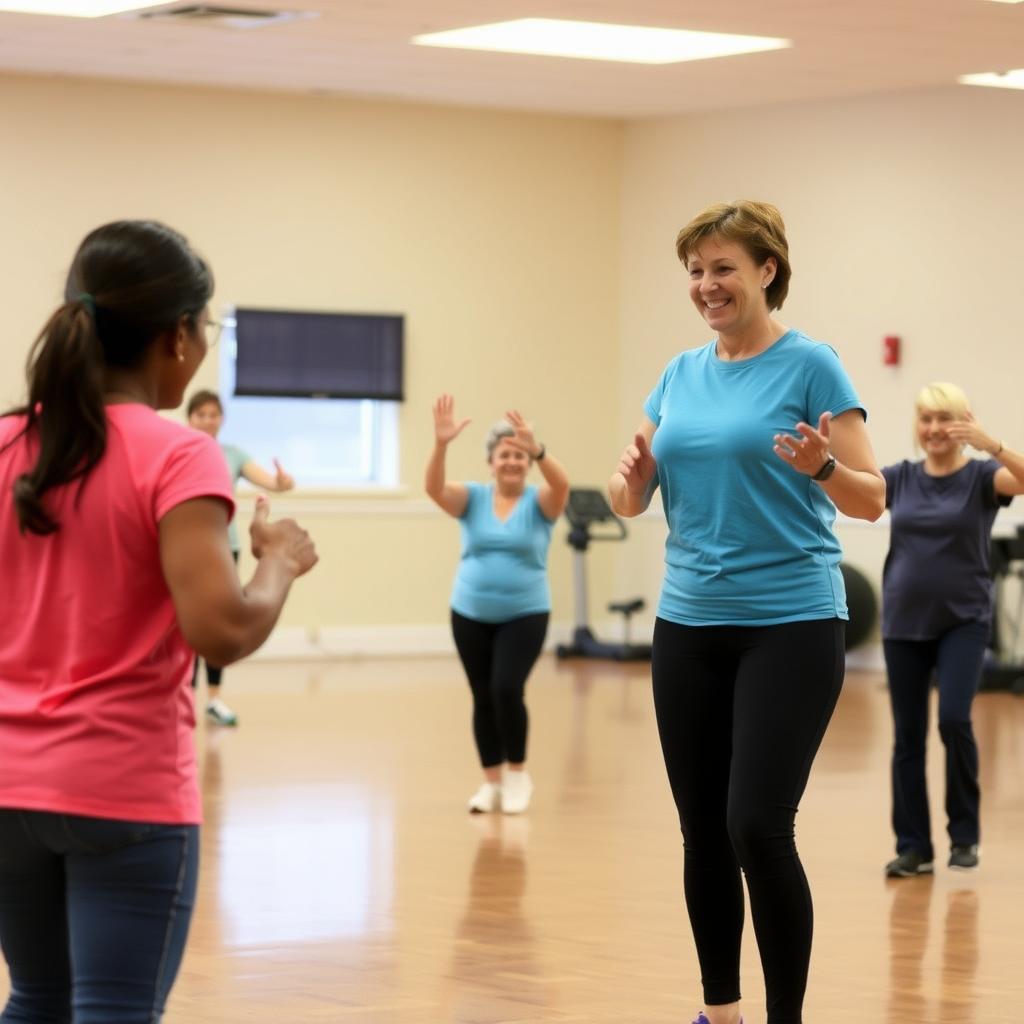
- Lack of Motivation: Find a workout buddy or join a group. Accountability makes a difference.
- Fear of Failure: Progress, not perfection. Track small wins, like walking an extra block.
- Physical Limitations: Consult a doctor for safe activities if you have health concerns. Programs like water aerobics are gentle on joints.
The National Institute on Aging offers great tips for safe exercise, especially for older adults or those with mobility issues.
The Role of Wellness Programs
Understanding Wellness Programs for Beginners means recognizing they’re more than just exercise. These programs often include nutrition tips, stress management, and community support. I joined a local wellness group and was surprised by how much the encouragement kept me going. Many programs are free or low-cost through workplaces, community centers, or online platforms.
Look for programs that: - Offer structure but flexibility - Include beginner-friendly activities - Provide guidance from certified trainers
Wellness programs can make Physical Activity Programs feel less daunting by breaking them into manageable steps.
Tips for Staying Consistent
Consistency is where the magic happens. Here’s what worked for me:
- Set Realistic Goals: Aim for progress, like increasing your walk time by 5 minutes.
- Track Your Progress: Use a journal or app to log your activity. Seeing improvement is motivating.
- Mix It Up: Try new activities to avoid boredom. I alternated walking with dance videos.
- Celebrate Wins: Reward yourself for milestones, like new workout gear after a month.
Studies show that forming habits takes about 66 days, so stick with it! The University of California, Berkeley has excellent advice on habit-building.
The Mental Health Connection
One unexpected benefit of my fitness journey was how it eased my stress. An active lifestyle and stress reduction go hand in hand. Whether it’s a walk in nature or a quick stretch, movement calms the mind. I found that even 10 minutes of activity after a tough day made me feel lighter. Exercise increases serotonin and dopamine, which boost mood, according to the CDC.
Try mindfulness-based activities like yoga or tai chi for a double dose of calm and fitness.
Summary
Getting Started with Physical Activity Programs: A Guide for Newbies is about taking that first step, no matter how small. By choosing activities you enjoy, starting slow, and staying consistent, you can build an active lifestyle that improves your health and reduces stress. Use the tips in this guide, explore wellness programs, and don’t be afraid to experiment. Your journey is unique—embrace it!

Discuss Here