Overview
Food Protein-Induced Enterocolitis Syndrome (FPIES) is a rare, non-IgE-mediated food allergy that primarily affects the gastrointestinal system. Unlike typical allergies, it causes delayed, severe symptoms like vomiting and diarrhea. This article dives into the Latest Research on FPIES: What You Need to Know, offering insights for families, patients, and caregivers.
Understanding FPIES: A Growing Concern
FPIES is not your typical food allergy. It doesn’t involve the immediate hives or swelling seen in IgE-mediated allergies. Instead, it triggers intense vomiting, diarrhea, and lethargy hours after eating a trigger food. Most cases start in infancy, often when babies begin solids or formula, but adults can develop it too. Recent estimates suggest FPIES affects about 900,000 people in the U.S., with 5 in 1,000 children and 2 in 1,000 adults impacted. Chronic FPIES, a less common form, involves ongoing symptoms when trigger foods remain in the diet, leading to weight loss or failure to thrive in infants.
The condition is often misdiagnosed as a stomach virus or bacterial infection because symptoms mimic these issues. This delay in diagnosis can be frustrating for families, especially when children face repeated hospital visits. My heart goes out to parents who’ve watched their child suffer without answers—it’s a tough journey. The Latest Research on FPIES: What You Need to Know highlights how awareness is growing, helping reduce these delays.

Latest Research Insights
Recent studies have deepened our understanding of FPIES. A 2024 review in the Journal of Allergy and Clinical Immunology emphasized that FPIES affects both children and adults, with seafood emerging as a common trigger in adults. Unlike earlier beliefs that pinned FPIES as an infant-only condition, researchers now recognize its broader reach. Another study from 2022 noted a rise in egg-related FPIES cases in Japan, showing how triggers can vary by region.
The first international consensus guidelines, published in 2017 by the American Academy of Allergy, Asthma & Immunology, standardized diagnosis and management. These guidelines were pivotal, but new evidence suggests they need updates to address adult-onset FPIES and atypical cases. For instance, a 2025 workshop by the National Institute of Allergy and Infectious Diseases (NIAID) discussed the lack of diagnostic biomarkers, a critical gap in confirming FPIES without invasive food challenges.
Researchers are also exploring the role of neutrophils and enteroendocrine cells in FPIES reactions, hinting at a complex immune response. While the exact cause remains unknown, these findings suggest FPIES involves a unique cellular mechanism, unlike classic allergies. This is exciting because it could lead to new diagnostic tools, reducing the reliance on oral food challenges, which can be stressful for families.
Symptoms and Triggers
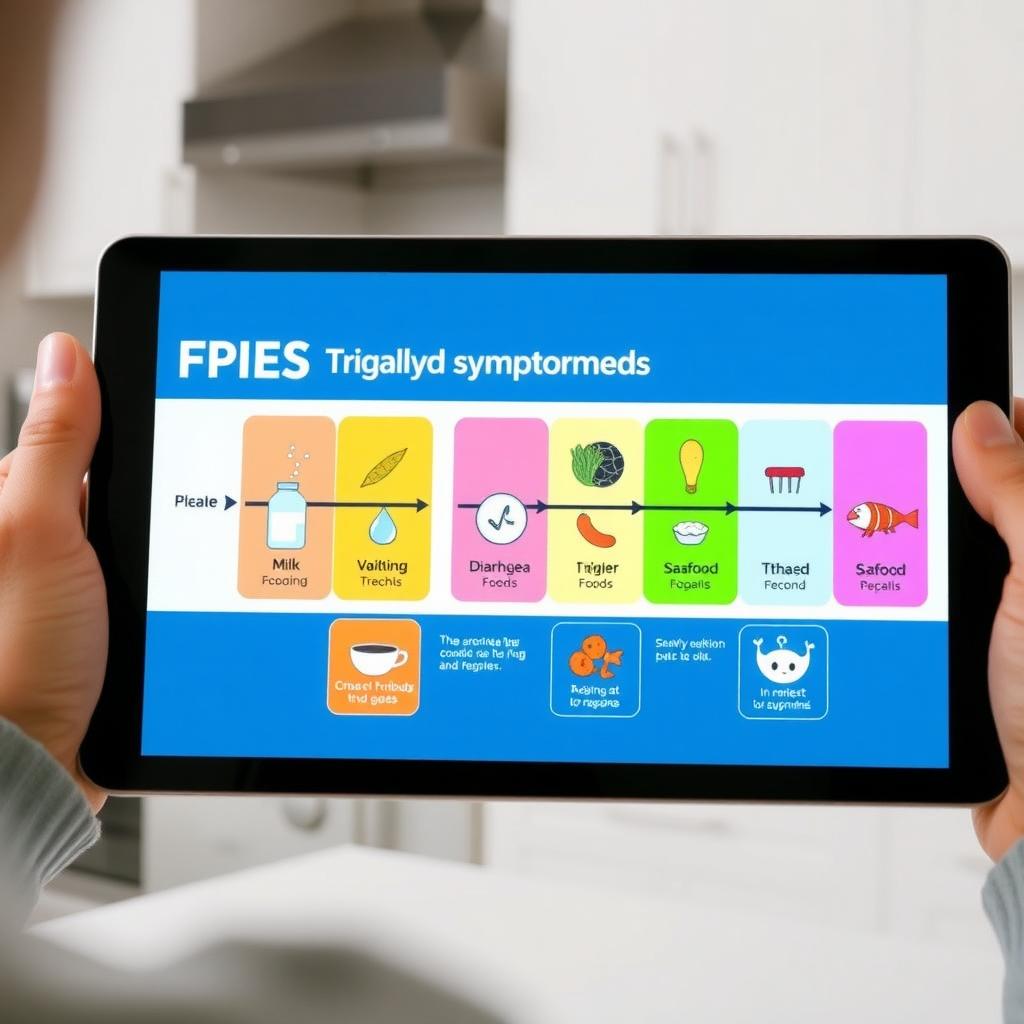
FPIES symptoms typically appear 1-4 hours after eating a trigger food. The hallmark is repetitive, projectile vomiting, often paired with diarrhea, paleness, and lethargy. In severe cases (15-20% of reactions), dehydration or low blood pressure can occur, requiring emergency care. Chronic FPIES is rarer and happens when trigger foods are consumed regularly, causing ongoing vomiting, diarrhea, and growth issues.
Common triggers vary by age and region: - Infants: Cow’s milk, soy, rice, oats, and egg. - Adults: Seafood, especially shellfish. - Emerging Triggers: Peanuts, avocado, and sweet potato have been noted in recent studies.
Interestingly, breastfed infants rarely react to trigger foods through breast milk, but reactions can start when solids are introduced. This variability makes FPIES tricky to pin down.
Diagnosis Challenges
Diagnosing FPIES is tough because standard allergy tests (skin prick or blood tests) don’t work. Doctors rely on a detailed medical history and symptom patterns. An oral food challenge, supervised by an allergist, is often needed to confirm the diagnosis or check if a child has outgrown FPIES. These challenges involve giving the suspected trigger food in a controlled setting and monitoring for reactions.
A 2025 study in Clinical and Experimental Immunology explored the role of neutrophils in FPIES, suggesting they may contribute to the inflammation seen in reactions. This could pave the way for blood tests to aid diagnosis, but we’re not there yet. For now, families often face a trial-and-error process, which can feel like navigating a maze blindfolded.
Management and Treatment
There’s no cure for FPIES, so management focuses on avoiding trigger foods. For infants with Chronic FPIES, switching to a hypoallergenic formula, like amino acid-based options, can help. Dietitians play a key role in ensuring proper nutrition, especially when multiple foods are avoided. For acute reactions, treatments like ondansetron (to stop vomiting) or IV fluids for dehydration may be used.
The Latest Research on FPIES: What You Need to Know emphasizes tailored food introduction plans. For example, a 2024 NIAID workshop suggested a gradual approach to introducing new foods at home, especially during the pandemic when hospital visits were limited. Parents should work with allergists to create a safe plan, starting with low-risk foods like root vegetables or certain fruits.
Living with Chronic FPIES
Chronic FPIES can be particularly challenging, as ongoing symptoms disrupt daily life. Parents often feel anxious about introducing new foods, fearing another reaction. I’ve spoken to families who describe the emotional toll of watching their child struggle to gain weight or endure repeated vomiting. Chronic FPIES support groups, like those offered by the International FPIES Association, provide a lifeline. These groups connect families, share coping strategies, and offer emotional support.
Most children outgrow FPIES by age 3-4, but some don’t. Regular check-ins with an allergist are crucial to test for resolution through food challenges. Adults with FPIES, though rarer, face similar challenges, especially with seafood triggers. The good news? With proper management, most patients lead healthy lives.

Future Directions
The future of FPIES research is promising. The 2022 NIAID workshop highlighted priorities like developing diagnostic biomarkers and understanding the role of gut neurophysiology. Researchers are also studying why some patients develop atypical FPIES, where IgE sensitization plays a role, leading to longer-lasting reactions. These advancements could transform how we diagnose and treat FPIES, making life easier for families.
Summary
FPIES is a complex, non-IgE-mediated food allergy that requires careful management. The Latest Research on FPIES: What You Need to Know shows growing awareness, new triggers, and evolving guidelines. While diagnosis remains challenging, support from allergists, dietitians, and Chronic FPIES support groups can make a big difference. Stay informed, work with specialists, and connect with others to navigate this condition.

Discuss Here