Overview: Understanding FPIES and Emergency Preparedness
Food Protein-Induced Enterocolitis Syndrome (FPIES) is a rare food allergy that primarily affects infants and young children. Unlike typical allergic reactions, FPIES triggers severe gastrointestinal symptoms like vomiting, diarrhea, and dehydration. For parents, managing Chronic FPIES Symptoms can feel overwhelming, but with proper planning, you can navigate emergencies confidently. This guide to FPIES Emergency Preparedness 101 offers actionable steps to keep your child safe.
What is FPIES?
FPIES is a non-IgE-mediated food allergy, meaning it doesn’t involve the immune system in the same way as typical allergies. Instead, it causes delayed reactions, often 1-4 hours after consuming trigger foods like milk, soy, or grains. Symptoms can be alarming: profuse vomiting, lethargy, and even shock-like symptoms in severe cases. For families dealing with Chronic FPIES, the unpredictability of reactions makes preparation critical.
I remember the first time my daughter had an FPIES reaction. She was six months old, and what started as a small taste of rice cereal turned into hours of vomiting. We felt helpless, rushing to the ER without a clear plan. That experience taught me the importance of FPIES Emergency Preparedness 101—having a strategy can make all the difference.
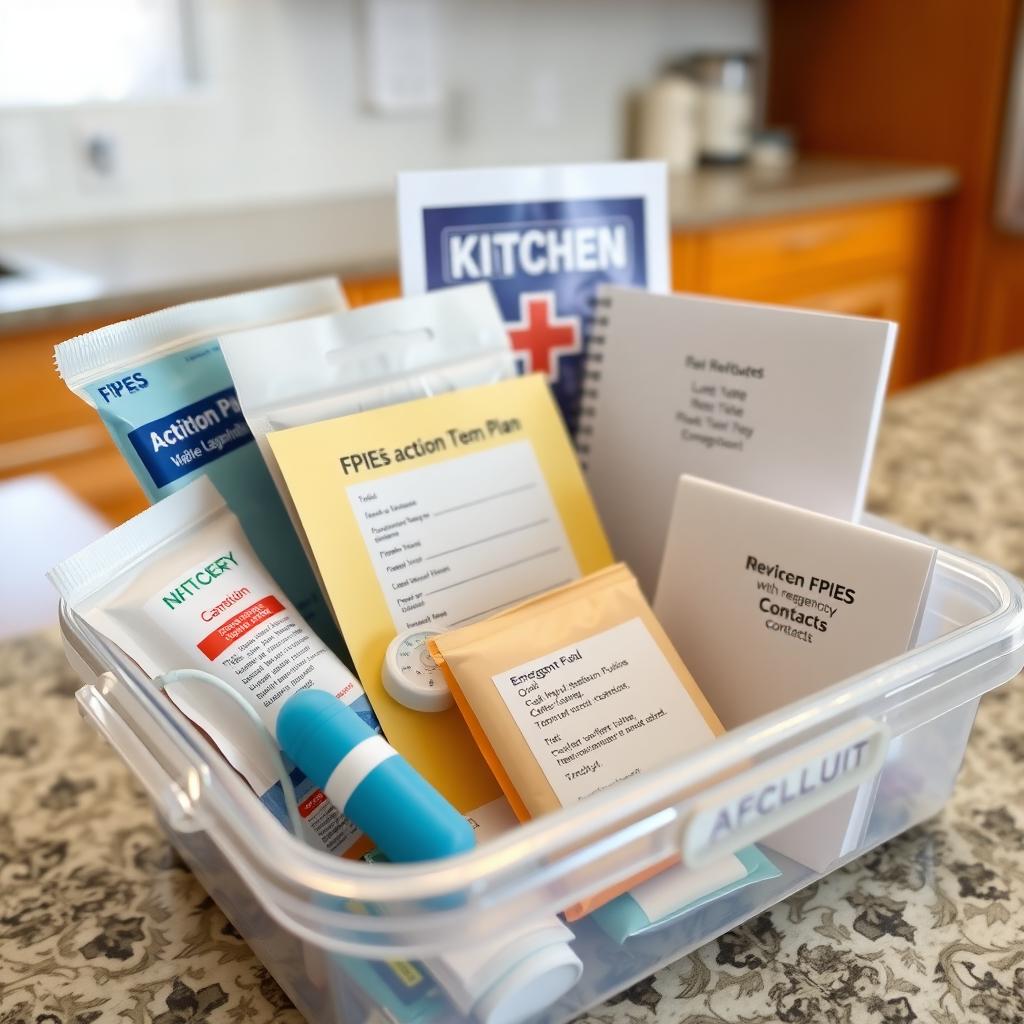
Building Your FPIES Emergency Plan
Creating a solid emergency plan is the cornerstone of FPIES Emergency Preparedness 101. Here’s how to get started:
- Identify Trigger Foods: Work with your pediatrician or allergist to pinpoint your child’s trigger foods. Common culprits include dairy, soy, rice, and oats, but triggers vary.
- Create an Action Plan: Draft a clear, written plan detailing what to do during a reaction. Include symptoms to watch for, steps to take, and emergency contacts.
- Share the Plan: Give copies to caregivers, teachers, and family members. Ensure everyone knows how to recognize and respond to Chronic FPIES Symptoms.
- Pack an Emergency Kit: Keep a kit with essentials like oral rehydration solutions, a thermometer, and your action plan.
A sample FPIES Action Plan might look like this:
| Symptom | Action |
|---|---|
| Mild vomiting | Offer small sips of oral rehydration solution; monitor closely. |
| Severe vomiting (more than 3 episodes) | Call pediatrician; prepare to visit ER. |
| Lethargy or pale skin | Seek immediate medical attention; call 911 if symptoms worsen. |
This table helped us stay calm during reactions, as we knew exactly what to do.
Managing Chronic FPIES Symptoms
Chronic FPIES can present ongoing challenges, even outside acute reactions. Children may experience intermittent vomiting, diarrhea, or poor weight gain, especially if trigger foods are accidentally consumed. Here are practical tips for managing Chronic FPIES Symptoms:
- Track Symptoms: Keep a food and symptom diary to identify patterns. Apps like FoodDiary or even a simple notebook work well.
- Work with Specialists: Regular check-ins with a pediatric gastroenterologist or allergist can help adjust your child’s diet and monitor growth.
- Safe Foods List: Maintain a list of safe foods and introduce new ones slowly, under medical supervision.
- Educate Your Circle: Teach family, friends, and caregivers about FPIES to avoid accidental exposure.

Emergency Response: What to Do During an FPIES Reaction
When an FPIES reaction strikes, quick action is key. Here’s a step-by-step guide:
- Stay Calm: Panicking can make it harder to think clearly. Take a deep breath and follow your action plan.
- Assess Symptoms: Check for vomiting, lethargy, or changes in skin color. Severe symptoms like persistent vomiting or shock require immediate medical attention.
- Hydrate: If vomiting is mild, offer small sips of an oral rehydration solution like Pedialyte. Avoid water alone, as it lacks necessary electrolytes.
- Seek Help: If symptoms escalate, call your doctor or head to the ER. Always bring your action plan to share with medical staff.
During my daughter’s second reaction, having our plan laminated and in our emergency kit saved us precious time. The ER staff appreciated the clear instructions, which helped them act fast.
Communicating with Healthcare Providers
FPIES is rare, so not all medical professionals are familiar with it. To ensure your child gets proper care:
- Carry a Letter: Ask your allergist for a letter explaining FPIES and your child’s needs. The FPIES Foundation offers templates.
- Educate Staff: Politely explain FPIES to ER or urgent care staff. Share your action plan and highlight that FPIES reactions differ from typical allergies.
- Follow Up: After an episode, schedule a follow-up with your specialist to review the reaction and adjust your plan if needed.
Emotional and Practical Support for Families
Living with Chronic FPIES can be emotionally taxing. I’ve had nights worrying about accidental exposures or whether my daughter was getting enough nutrition. Connecting with support groups, like those on the FPIES Foundation website, helped me feel less alone. Online communities offer tips, meal ideas, and encouragement from parents who get it.
Practically, consider these steps:
- Meal Planning: Prepare safe meals in advance to reduce stress. Batch-cook and freeze portions of safe foods.
- School and Daycare: Meet with school staff to create a 504 Plan, ensuring your child’s safety during meals or snacks.
- Mental Health: Don’t hesitate to seek counseling if the stress of managing FPIES feels overwhelming.

Preventing FPIES Reactions
Prevention is a key part of FPIES Emergency Preparedness 101. While accidents happen, these steps can minimize risks:
- Read Labels Carefully: Check for hidden trigger ingredients. For example, soy can hide in processed foods as lecithin.
- Test New Foods: Introduce one new food at a time, in small amounts, and monitor for 4-6 hours.
- Clean Surfaces: Cross-contamination is a risk. Wipe down surfaces and use separate utensils for your child’s meals.
- Travel Smart: When traveling, pack safe snacks and your emergency kit. Research nearby hospitals in case of a reaction.
Summary: Empowering Your Family with FPIES Knowledge
Managing Chronic FPIES Symptoms requires vigilance, but with a solid emergency plan, you can face challenges with confidence. From creating an action plan to communicating with healthcare providers, FPIES Emergency Preparedness 101 equips you to protect your child. Stay proactive, connect with support networks, and keep learning to make life with FPIES manageable.

Discuss Here