Overview
Living with a chronic food allergy like Food Protein-Induced Enterocolitis Syndrome (FPIES) can feel overwhelming, especially when it comes to preparing safe and nutritious meals. Chronic FPIES, a non-IgE-mediated food allergy, causes delayed gastrointestinal symptoms like vomiting and diarrhea, making dietary management critical. This article shares chronic food allergy recipes and meal plans designed to simplify cooking while keeping meals tasty and safe. With practical tips, personal insights, and expert-backed strategies, you’ll find ways to navigate food restrictions with confidence.
Understanding Chronic Food Allergies and FPIES
Chronic food allergies, particularly Chronic FPIES, require careful attention to avoid trigger foods. Unlike typical allergies that cause immediate reactions, FPIES symptoms—such as severe vomiting, diarrhea, or lethargy—may appear hours after eating. Common triggers include cow’s milk, soy, rice, and oats, though any food can be a culprit. For my family, discovering my son’s FPIES diagnosis was a game-changer. We spent months troubleshooting his symptoms, mistaking them for stomach bugs, until a pediatric allergist helped us pinpoint rice as a trigger. This experience taught me the importance of tailored meal planning.
According to the Children’s Hospital of Philadelphia, FPIES affects about 1 in 7,000 children under two, though it’s likely underdiagnosed. Chronic FPIES, where symptoms persist due to regular consumption of trigger foods, can lead to poor weight gain or failure to thrive. The key to managing it? Strict avoidance of triggers and gradual introduction of new foods under medical supervision. This is where chronic food allergy recipes and meal plans become essential.
Building a Safe and Balanced Meal Plan
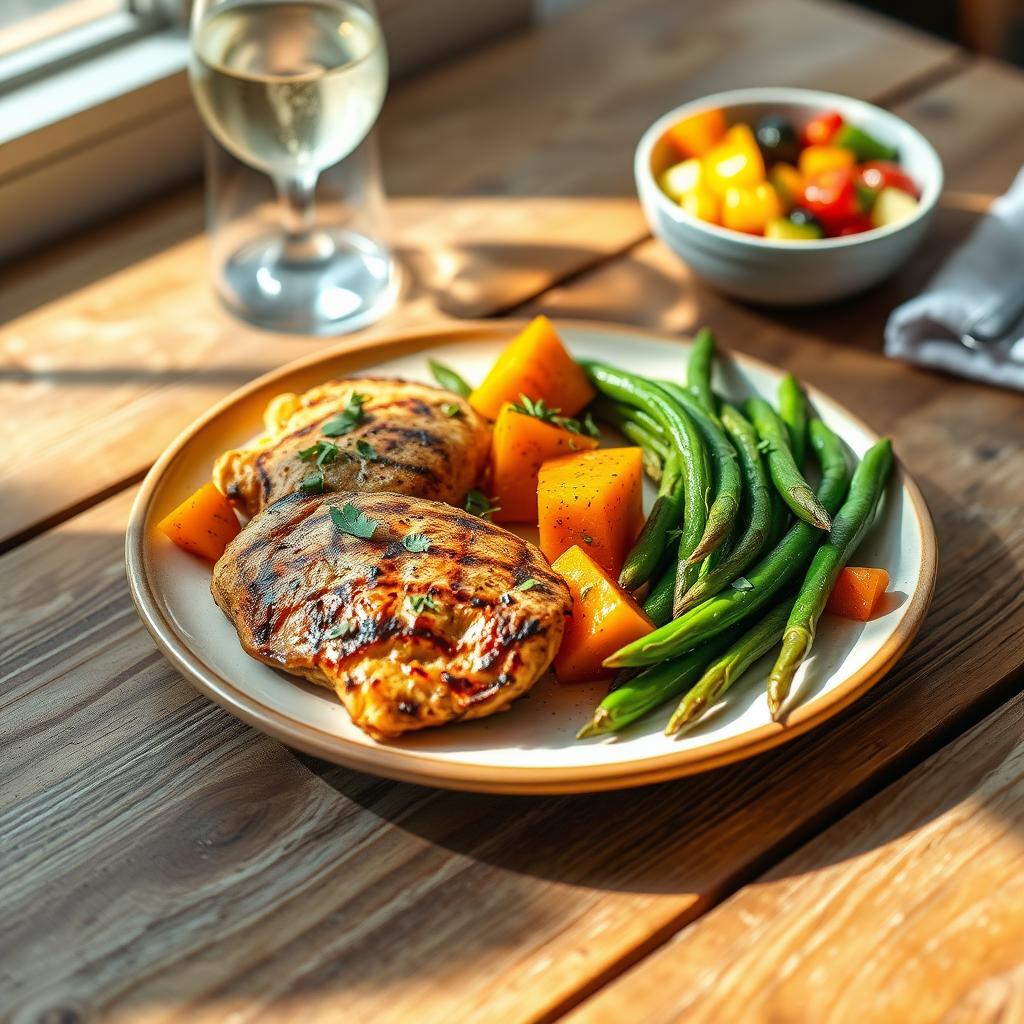
Creating a meal plan for Chronic FPIES or other chronic food allergies starts with identifying safe foods. Since triggers vary, work with a dietitian to develop a personalized plan. My family learned to focus on whole, unprocessed foods like fresh meats, fruits, and vegetables to minimize the risk of hidden allergens. Here’s a step-by-step approach to crafting your own meal plan:
- Identify Safe Foods: Keep a food journal to track what’s tolerated. Note symptoms, as they may take hours to appear.
- Consult Experts: A pediatric allergist or dietitian can guide food introductions, especially during oral food challenges.
- Plan Simple Meals: Stick to single-ingredient foods to reduce cross-contamination risks.
- Batch Prep: Cook large portions of safe staples like quinoa or roasted veggies for quick meals.
- Introduce Slowly: Add one new food every few weeks, monitoring for reactions.
The Australasian Society of Clinical Immunology and Allergy (ASCIA) emphasizes that most children outgrow FPIES by age three, but careful management is crucial until then. For adults with FPIES, a rarer condition, long-term meal planning is even more vital. My approach was to create a weekly menu with versatile, safe ingredients, which saved time and reduced stress.
Sample Weekly Meal Plan for Chronic FPIES
Below is a sample seven-day meal plan free of common FPIES triggers like cow’s milk, soy, rice, and oats. Adjust based on your specific triggers, and always consult a healthcare provider before introducing new foods.
| Day | Breakfast | Lunch | Dinner |
|---|---|---|---|
| Monday | Banana smoothie with coconut milk | Grilled turkey with cucumber salad | Baked salmon with roasted carrots |
| Tuesday | Apple slices with sunflower butter | Quinoa and avocado bowl | Chicken stir-fry with zucchini |
| Wednesday | Sweet potato hash with bacon | Tuna salad with lettuce wraps | Pork chop with steamed broccoli |
| Thursday | Berry yogurt parfait (coconut-based) | Beef and veggie skewers | Grilled cod with green beans |
| Friday | Fresh fruit salad with chia seeds | Chicken salad with spinach | Lamb with roasted parsnips |
| Saturday | Pumpkin puree with cinnamon | Turkey meatballs with kale | Baked chicken with asparagus |
| Sunday | Mango smoothie with hemp milk | Salmon and arugula salad | Beef roast with sweet potato |
This plan uses whole foods and avoids processed items, which often contain hidden allergens. For example, I found that even ‘natural’ flavorings in packaged foods could trigger my son’s symptoms, so we switched to homemade meals.
Chronic Food Allergy Recipes to Try
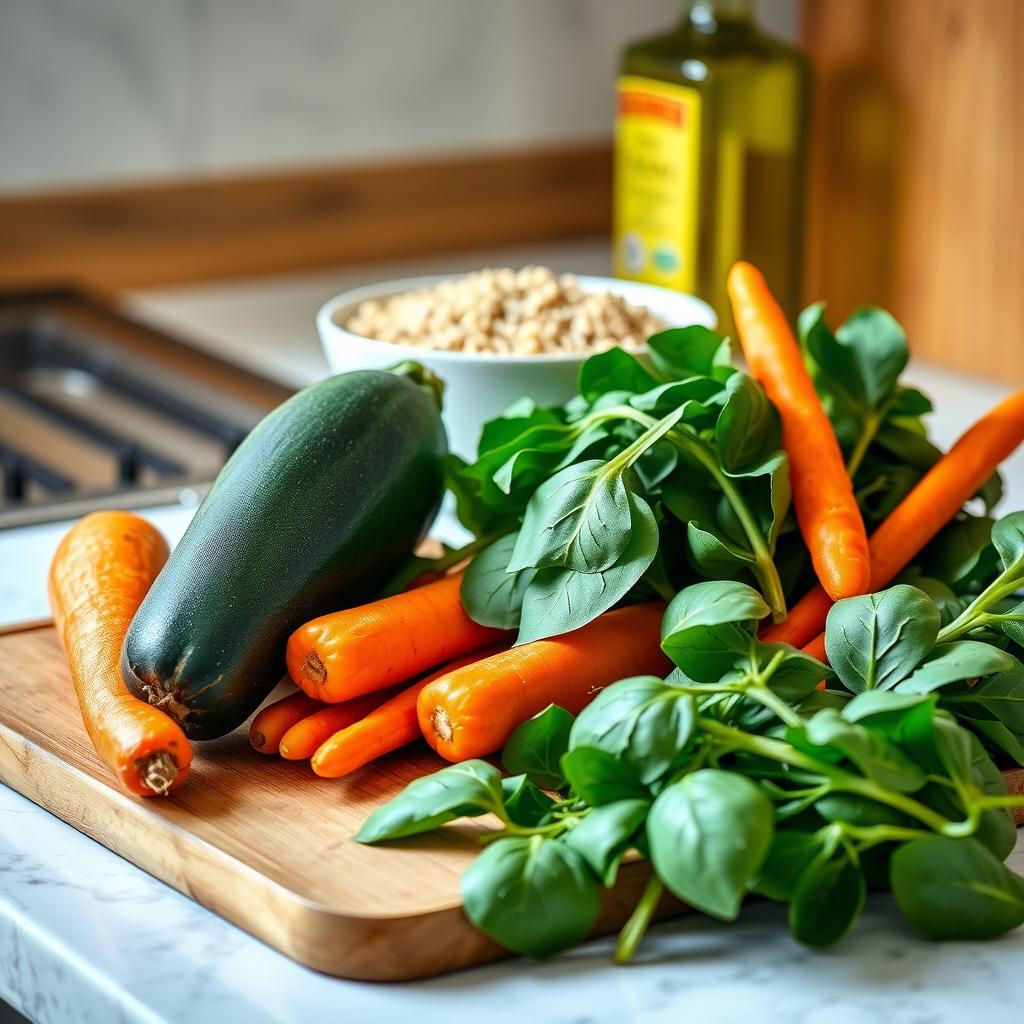
Here are three easy, FPIES-friendly recipes that are flavorful and safe for most common triggers. Always double-check ingredients against your specific allergy profile.
1. Coconut Milk Veggie Soup
- Ingredients: 2 cups coconut milk, 1 zucchini, 1 carrot, 1 potato, 1 tsp turmeric, salt to taste.
- Instructions: Dice vegetables and simmer in coconut milk with turmeric and salt for 20 minutes until soft. Blend until smooth. Serve warm.
- Tip: Coconut milk is a creamy, dairy-free base that’s often safe for FPIES diets.
2. Grilled Chicken with Herb Rub
- Ingredients: 2 chicken breasts, 1 tbsp olive oil, 1 tsp fresh rosemary, 1 tsp thyme.
- Instructions: Rub chicken with olive oil and herbs. Grill for 6-8 minutes per side until cooked through. Pair with steamed veggies.
- Tip: Fresh herbs add flavor without risking allergen exposure.
3. Quinoa Fruit Salad
- Ingredients: 1 cup cooked quinoa, 1 cup diced mango, 1/2 cup blueberries, 1 tbsp honey.
- Instructions: Mix quinoa, fruit, and honey in a bowl. Chill for 30 minutes before serving.
- Tip: Quinoa is a nutrient-dense, trigger-free staple for many FPIES diets.
These recipes are inspired by resources like Kids With Food Allergies, which offers over 1,200 allergy-friendly recipes. I’ve found that keeping meals simple reduces the chance of accidental trigger exposure while still being delicious.
Tips for Success in Allergy-Friendly Cooking
Managing a chronic food allergy like FPIES isn’t just about recipes—it’s about strategy. Here are tips from my experience:
- Read Labels Carefully: Even ‘allergy-friendly’ products can contain traces of triggers. For example, some gluten-free breads still include soy.
- Shop Smart: Stores like Whole Foods or online retailers like Vitacost carry FPIES-safe products. Look for brands like Enjoy Life or So Delicious.
- Involve Your Family: Teach kids to understand their restrictions. My son now helps pick safe fruits for smoothies, making him feel included.
- Work with a Dietitian: The University of Michigan Food Allergy Clinic offers personalized counseling, which was a lifesaver for us.
- Keep a Food Journal: Tracking meals and symptoms helped us confirm safe foods and avoid setbacks.

Overcoming Challenges with Chronic FPIES
One of the biggest hurdles with Chronic FPIES is the fear of introducing new foods. After my son’s diagnosis, I was hesitant to try anything beyond our safe list. But with guidance from our allergist, we slowly expanded his diet using oral food challenges in a controlled setting. This process, outlined by NORD, helped us confirm safe foods like mango and quinoa. Patience and professional support are key.
Another challenge is social isolation. Birthday parties or family gatherings can be tricky when perspective. We started bringing our own safe snacks, which made my son feel included without risking a reaction. Planning ahead became our secret weapon.
Summary
Navigating chronic food allergy recipes and meal plans for Chronic FPIES or other food sensitivities requires creativity, caution, and collaboration with experts. By focusing on whole foods, keeping a food journal, and using simple recipes, you can create safe, nutritious meals that everyone enjoys. With the right strategies, living with FPIES becomes manageable, letting you focus on flavor and health.

Discuss Here