Overview
The Power of Community in Health Management lies in its ability to foster connection, accountability, and shared learning. Whether tackling weight-related health issues, chronic vomiting, or complex conditions like FPIES, communities provide emotional and practical support that can transform lives.
Why Community Matters in Health Management
Health challenges like obesity, chronic vomiting, or Chronic FPIES Symptoms can feel isolating. Facing these alone often leads to frustration or giving up. But when you join a community, you’re no longer alone. You gain allies who understand your struggles and celebrate your wins. Communities create a sense of belonging, which studies show can boost motivation and improve health outcomes. According to a study from the National Institutes of Health, social support significantly enhances adherence to lifestyle changes for weight management.
Think about it: when you’re trying to lose weight or manage a condition like chronic vomiting, having someone to share tips, recipes, or even just a listening ear makes a huge difference. Communities offer practical advice, emotional encouragement, and accountability. They remind you that small steps forward are still progress.

Effective Community Support for Weight-related Health Issues
Weight-related health issues, like obesity or unexpected weight loss due to chronic conditions, are complex. They often involve physical, emotional, and social factors. Effective Community Support for Weight-related Health Issues can make navigating these challenges easier. For example, group programs like Weight Watchers or local fitness clubs provide structured environments where members share meal plans, exercise routines, and motivational stories.
In my experience, I’ve seen friends join community-led walking groups and lose 10-20 pounds over a year, not just because they exercised, but because they formed bonds with others who kept them accountable. These groups often use tools like group chats or apps to track progress, share recipes, or plan meetups. A Cleveland Clinic article on obesity management emphasizes that lifestyle changes, supported by community, lead to sustainable weight loss of 5-10%, which can significantly reduce health risks.
Communities also help address the stigma around weight. Open discussions reduce shame and encourage people to seek help without fear of judgment. This is especially important for those facing weight loss due to medical conditions, where community support can provide clarity and hope.
Tackling Chronic Vomiting and Weight Loss Concerns
Chronic vomiting and weight loss concerns, such as those caused by conditions like Chronic FPIES Symptoms, require specialized support. Food Protein-Induced Enterocolitis Syndrome (FPIES) is a food allergy that causes severe vomiting and can lead to unintended weight loss, especially in children. Managing it is tough—families often feel overwhelmed by dietary restrictions and medical uncertainties.
I’ve spoken with parents in FPIES support groups who say connecting with others saved their sanity. These communities, often found online through platforms like Facebook or dedicated forums, share safe food lists, doctor recommendations, and coping strategies. For instance, one parent shared how a group helped her identify a trigger food for her child’s chronic vomiting, which doctors had missed. The American Academy of Pediatrics highlights the importance of peer support in managing pediatric conditions like FPIES, as it empowers families with knowledge and emotional resilience.
How Communities Foster Accountability and Learning
Communities aren’t just about emotional support—they’re also hubs for learning. Members share practical tips, like how to read food labels for FPIES triggers or create low-calorie meals for weight management. They hold each other accountable, whether through weekly check-ins or group challenges. For example, a local health group I know runs a '30-Day No-Sugar Challenge,' where members post daily updates, creating a fun, competitive vibe that keeps everyone engaged.
Online communities, like those on Reddit or X, are powerful too. A post I saw on X described how a user joined a weight-loss subreddit and learned about intermittent fasting, which helped them lose 15 pounds. These platforms allow real-time sharing of successes and setbacks, making health management feel less daunting.
Practical Ways to Build or Join a Health Community
Ready to tap into The Power of Community in Health Management? Here are actionable steps to get started:
- Join Local Groups: Look for community centers, gyms, or churches offering health-focused programs like walking clubs or nutrition workshops.
- Explore Online Platforms: Search for forums or social media groups focused on your specific health concern, like FPIES or weight loss. Sites like Reddit’s r/loseit are great for weight management.
- Attend Support Meetings: Many hospitals or clinics host support groups for chronic conditions. Check with your healthcare provider for recommendations.
- Start Your Own Group: If you can’t find a community, create one! Invite friends or family to join a weekly health challenge, like cooking healthy meals together.
- Use Apps: Apps like MyFitnessPal or Fitbit allow you to connect with others tracking similar goals.
When joining a community, be open but cautious. Not all advice is accurate, so cross-check with trusted sources like doctors or dietitians. The goal is to find a group that feels supportive and aligns with your needs.

Overcoming Challenges in Community Support
Communities aren’t perfect. Some people feel shy about sharing personal struggles, especially around sensitive topics like weight or chronic vomiting. Others worry about misinformation, which can be a concern in unregulated online groups. To overcome these, start with smaller, trusted communities, like those led by healthcare professionals or verified organizations.
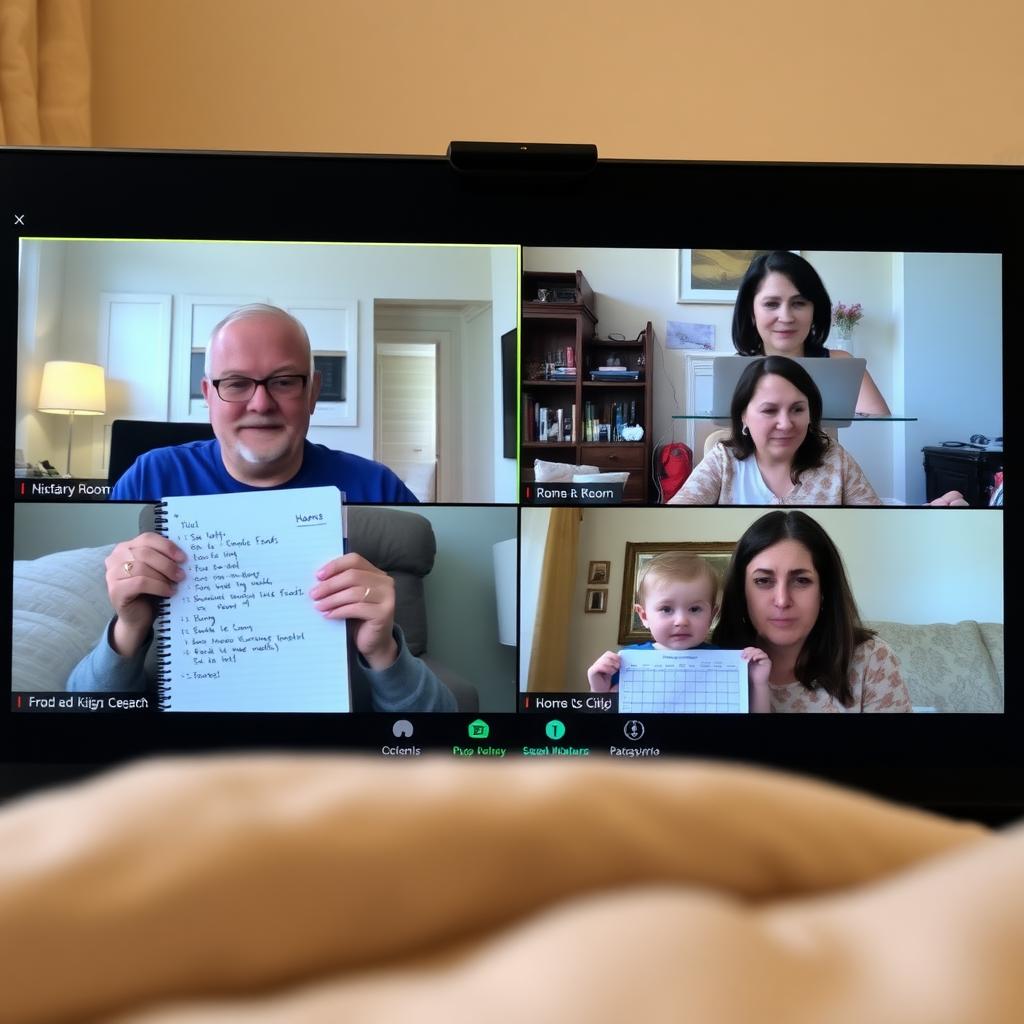
Time constraints can also be a barrier. If you’re juggling work or family, virtual communities offer flexibility. A mom I know joins a weekly Zoom call for FPIES parents during her lunch break, fitting support into her busy schedule. Finding the right community may take trial and error, but the effort is worth it.
The Emotional Impact of Community Support
The emotional boost from communities is undeniable. When you’re struggling with Chronic FPIES Symptoms or weight-related health issues, hearing someone say, 'I’ve been there, and you can do this,' can change your mindset. I remember a friend who was discouraged after gaining back weight she’d lost. Her online support group rallied around her, sharing their own setbacks and tips to get back on track. She said it felt like having a team in her corner.
Communities also celebrate victories, big and small. Whether it’s losing 5 pounds or finding a new FPIES-safe recipe, these shared moments build confidence and hope. A World Health Organization report notes that social support reduces stress and improves mental health, which is critical for managing chronic conditions.
Summary
The Power of Community in Health Management is a game-changer. From tackling weight-related health issues to navigating chronic vomiting and FPIES, communities provide practical tools, emotional support, and accountability. By joining or building a community, you can transform your health journey with the strength of shared experiences.

Discuss Here