Overview
Building strong family routines creates a foundation for a happy, connected home. These routines help kids feel secure, support healthy development, and strengthen family bonds. This guide shares practical tips, expert insights, and personal experiences to help you establish routines that promote family wellness and a nurturing environment.
Why Family Routines Matter
Routines give families structure and predictability, which are key to a child's growth. According to the National Institute of Child Health and Human Development, consistent routines support emotional and cognitive development in children. When kids know what to expect, they feel safe, which reduces stress and builds confidence.
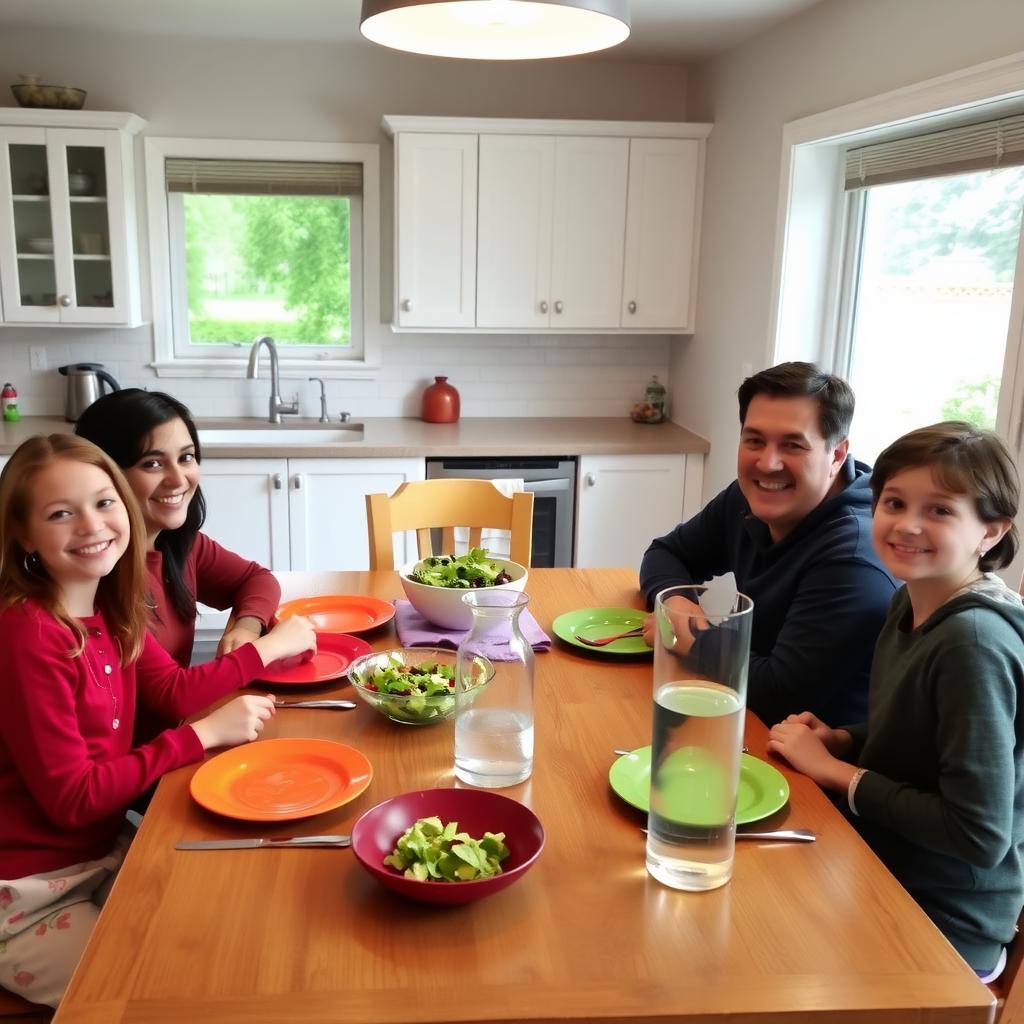
From my own experience as a parent, routines turned chaotic evenings into calm, connected moments. Simple habits, like eating dinner together or reading before bed, became anchors for my family. These moments didn’t just help my kids—they gave us all a sense of togetherness.

Steps to Build Strong Family Routines
Creating routines doesn’t mean rigid schedules. It’s about finding consistent habits that work for your family. Here’s how to start:
1. Start Small and Be Consistent
Choose one or two routines to focus on, like a morning checklist or a bedtime ritual. Consistency is key—kids thrive on repetition. For example, my family started with a simple bedtime routine: brush teeth, read a story, and lights out. Over time, it became second nature.
2. Involve Everyone
Get input from all family members, even young kids. Ask what they enjoy or what makes them feel calm. This builds ownership. My daughter, for instance, loves picking the dinner music, which makes her feel included.
3. Prioritize Family Wellness
Routines should support the importance of family wellness in child development. Activities like eating together or going for a walk can boost physical and mental health. The American Academy of Pediatrics emphasizes that shared meals improve communication and emotional well-being.
4. Be Flexible
Life happens—schedules change, and that’s okay. Adapt routines as needed, but keep the core consistent. When my work hours shifted, we moved our family game night to Sundays instead of Fridays, and it still worked.
Creating a Nurturing Environment at Home
A nurturing environment is the backbone of strong routines. It’s about making your home a safe, supportive space where everyone feels valued. Here are some ways to do it:
- Set Clear Expectations: Use positive discipline tips from the National Institute of Child Health and Human Development to guide behavior. Instead of yelling, try calm redirection. For example, when my son dawdled during homework time, I’d say, “Let’s finish one page, then take a break,” which worked better than scolding.
- Celebrate Small Wins: Acknowledge efforts, like when your child helps set the table. A simple “Great job!” builds confidence.
- Create Tech-Free Zones: Limit screens during meals or bedtime to encourage connection. We started a “no phones at dinner” rule, and it sparked real conversations.
Positive Discipline Tips for Routines
Discipline isn’t about punishment—it’s about teaching. The National Institute of Child Health and Human Development offers great advice on positive discipline. Here’s how to apply it to routines:
- Model Good Behavior: Kids learn by watching. If you want them to clean up, show them how. I started tidying the living room with my kids, and soon they joined in without prompting.
- Use Natural Consequences: If a child skips their morning routine, they might feel rushed later. Let them experience this (safely) to learn responsibility.
- Offer Choices: Instead of demanding, give options. “Do you want to brush your teeth before or after your story?” This empowers kids while keeping the routine intact.
These strategies create a nurturing environment at home, where kids feel guided, not controlled.
Overcoming Common Challenges
Building routines isn’t always smooth. Here are common hurdles and how to tackle them:
- Resistance from Kids: Kids may push back, especially older ones. Listen to their concerns and adjust where possible. My teen grumbled about family movie night, so we let her pick the film, and she came around.
- Time Constraints: Busy schedules can derail routines. Focus on quick, meaningful habits, like a 10-minute family check-in over breakfast.
- Inconsistency: If routines slip, don’t stress. Restart with one small habit. When we missed a week of family dinners, we just picked it back up the next week.
The Harvard Graduate School of Education suggests focusing on progress, not perfection, when building family habits.

The Long-Term Benefits
Strong family routines do more than organize your day—they shape your child’s future. The importance of family wellness in child development can’t be overstated. Kids with consistent routines often have better emotional regulation, stronger social skills, and higher academic success, according to Child Trends, a leading research organization.
In my family, routines have created memories we’ll always cherish. Our nightly storytime isn’t just about books—it’s about the giggles, the questions, and the closeness we share. These moments build trust and resilience, helping kids navigate life’s ups and downs.
Summary
Building strong family routines takes effort, but the rewards are worth it. By starting small, involving everyone, and staying flexible, you can create a nurturing environment at home that supports family wellness. Use positive discipline, celebrate progress, and adapt as needed. These habits will strengthen your family’s bond and set your kids up for success.

Discuss Here