Overview
Artificial Intelligence (AI) is reshaping education, creating dynamic and personalized learning experiences for students worldwide. From adaptive learning platforms to virtual tutors, AI is transforming how knowledge is delivered and absorbed. This article explores the practical applications, benefits, and challenges of Using AI in Education: Transforming Learning Experiences, offering actionable insights for educators, parents, and students.
The Rise of AI in Education
Education has always evolved with technology, from chalkboards to laptops. Now, AI is taking things further by tailoring education to individual needs. Imagine a classroom where every student learns at their own pace, with tools that adapt to their strengths and weaknesses. That’s the power of AI.
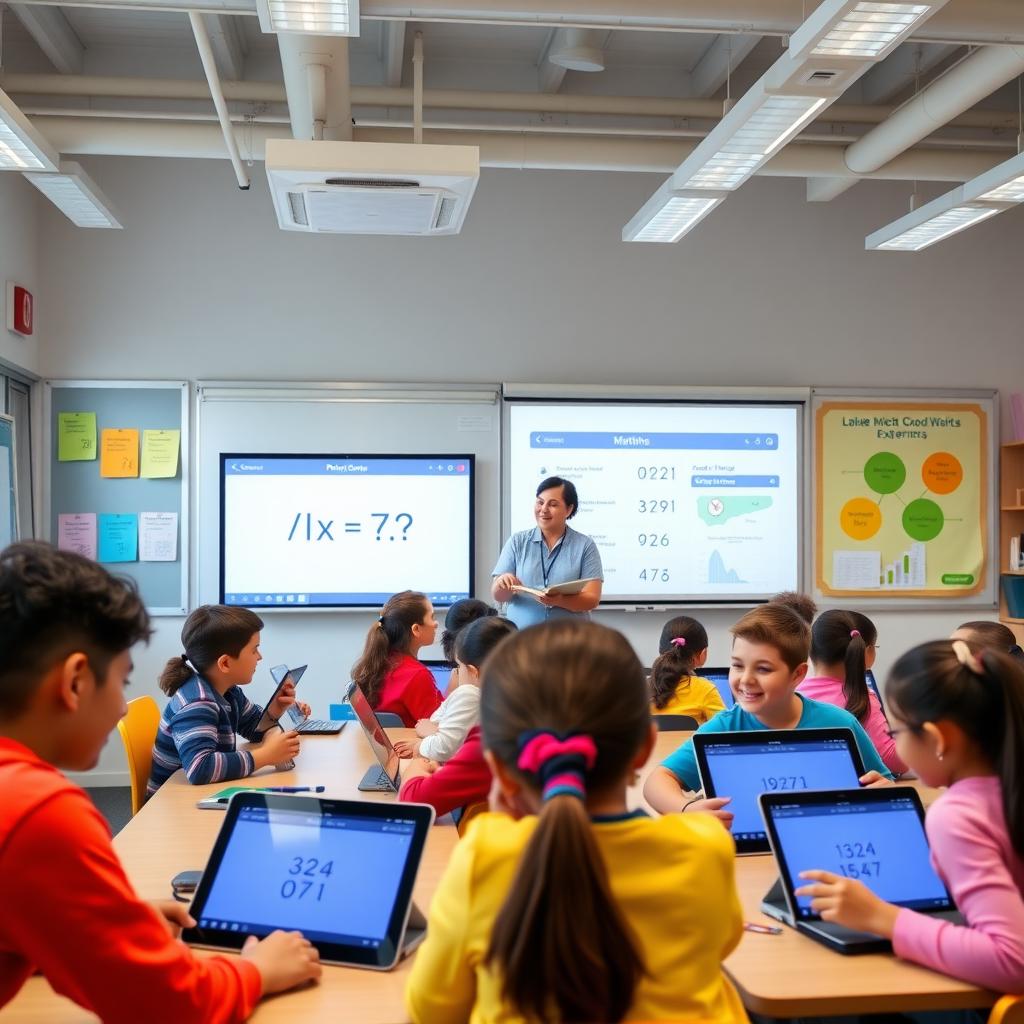
AI-driven platforms analyze how students learn, identifying gaps and offering customized lessons. For example, tools like adaptive math programs adjust question difficulty based on a student’s performance in real-time. This isn’t just about efficiency—it’s about making learning feel personal and engaging.
How AI Personalizes Learning
One of the biggest challenges in traditional education is addressing diverse learning styles. AI solves this by creating personalized learning paths. Platforms like Carnegie Learning’s MATHia use data to tailor math lessons, ensuring students master concepts before moving on. According to a study by the National Education Association, personalized learning can improve student outcomes by up to 20%.
For example, a struggling reader might receive targeted exercises to improve comprehension, while an advanced student gets challenging texts to stretch their skills. This flexibility helps students stay motivated and reduces frustration.
Supporting Teachers with AI
AI isn’t here to replace teachers—it’s here to make their jobs easier. Tools like AI grading systems can handle repetitive tasks, like scoring multiple-choice tests, freeing teachers to focus on creative instruction. Platforms like Google’s TeachAI offer resources to integrate AI into lesson plans, helping educators design engaging activities.
I’ve seen this firsthand with my cousin, a middle school teacher. She uses an AI tool to analyze student essays, which saves her hours each week. This extra time lets her plan Creative Indoor Activities for Kids, like science experiments or group projects, that make learning fun.
Engaging Students with Interactive Tools
Kids today grow up with technology, so it makes sense to meet them where they are. AI-powered apps like Duolingo or Quizlet use gamification to make learning addictive. These tools reward progress with badges or points, turning study sessions into games.
For families, this can extend to family wellness activities for weekends. Imagine a weekend where kids practice math through an AI-driven treasure hunt app while parents join in, fostering both learning and family wellness. These tools make education feel less like work and more like play.

Addressing Challenges and Concerns
While AI offers incredible benefits, it’s not without challenges. Privacy is a big concern—student data must be protected. Schools must choose platforms that comply with laws like FERPA, which safeguards student information.
Another issue is equity. Not every school can afford AI tools, which could widen the gap between well-funded and underfunded districts. Solutions like open-source AI platforms or government grants can help bridge this divide.
Finally, there’s the fear that AI might make learning too impersonal. But when used right, AI enhances human connection by giving teachers more time to build relationships with students.
Practical Applications for Parents and Students
Parents can use AI tools to support learning at home. Apps like Khan Academy Kids offer free, AI-driven lessons for young learners. These can be part of Creative Indoor Activities for Kids, like building a virtual solar system or practicing spelling through interactive stories.
For older students, AI tutors like Socratic by Google can help with homework by breaking down complex problems. These tools empower students to learn independently while still getting guidance when needed.
The Future of AI in Education
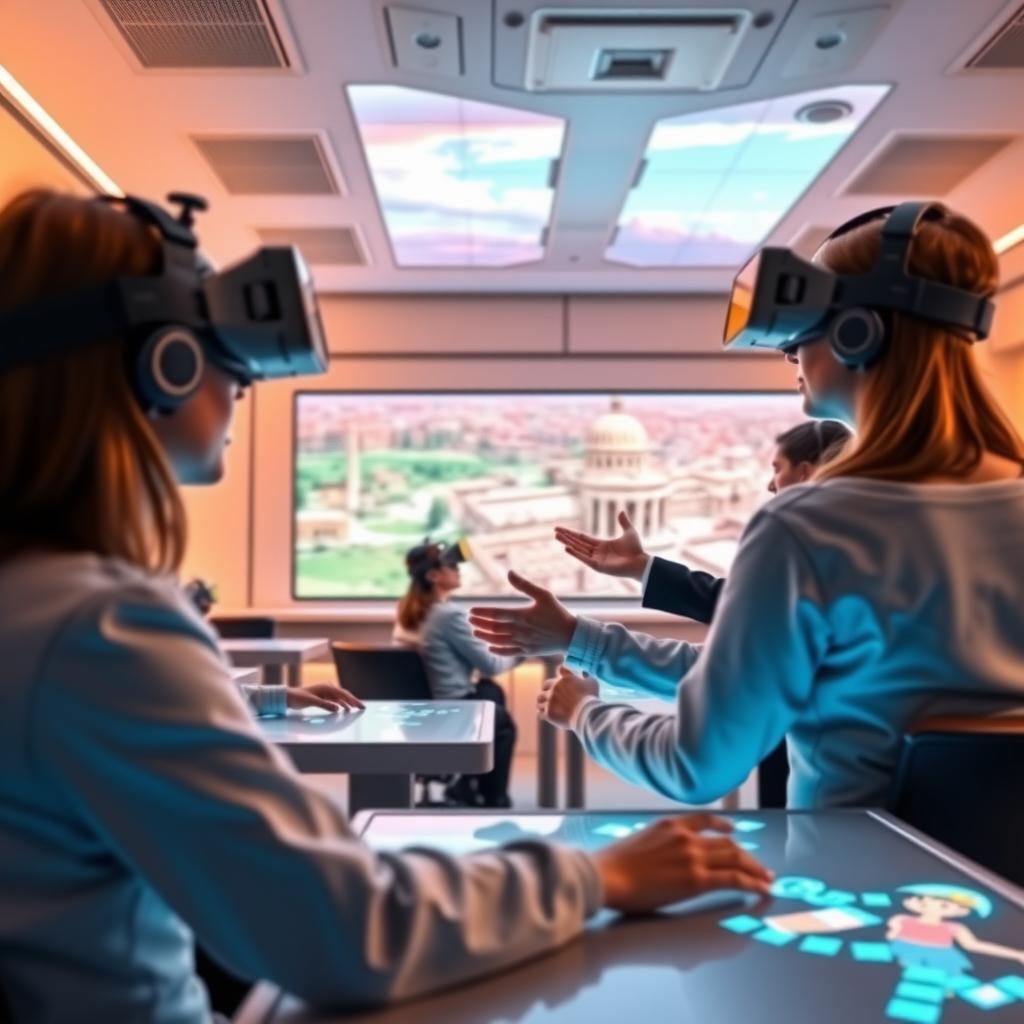
The future is exciting. AI could enable virtual reality classrooms, where students explore historical events or conduct virtual science experiments. Imagine a student walking through ancient Rome or dissecting a virtual frog—all powered by AI.
But the key is balance. AI should enhance, not dominate, education. By combining technology with human creativity, we can create learning experiences that are both effective and inspiring.
Tips for Integrating AI in Education
Here’s how educators and parents can start using AI effectively:
- Start Small: Try free tools like Quizlet or Khan Academy to see what works.
- Prioritize Privacy: Choose platforms with strong data protection policies.
- Combine with Hands-On Learning: Pair AI tools with family wellness activities for weekends, like building projects or outdoor experiments.
- Train Teachers: Schools should invest in professional development to help teachers use AI confidently.
- Monitor Progress: Use AI analytics to track student growth and adjust lessons as needed.
By following these steps, AI can become a powerful ally in education.
Summary
AI is transforming education by personalizing learning, supporting teachers, and engaging students in new ways. While challenges like privacy and equity exist, the potential to create meaningful, effective learning experiences is immense. By embracing AI thoughtfully, we can prepare students for a future where technology and creativity go hand in hand.

Discuss Here