Overview
Running a 5K race can change your life. It's a great way to boost your health, build confidence, and enjoy time with loved ones. This guide shares the best training plans for 5K races, including tips for family fun runs to improve family fitness and wellness.
Why Choose a 5K Race?
A 5K race covers about 3.1 miles. It's short enough for beginners but challenging for experienced runners. Many people start with 5K races because they fit busy schedules. You can train in just a few weeks and see real progress.
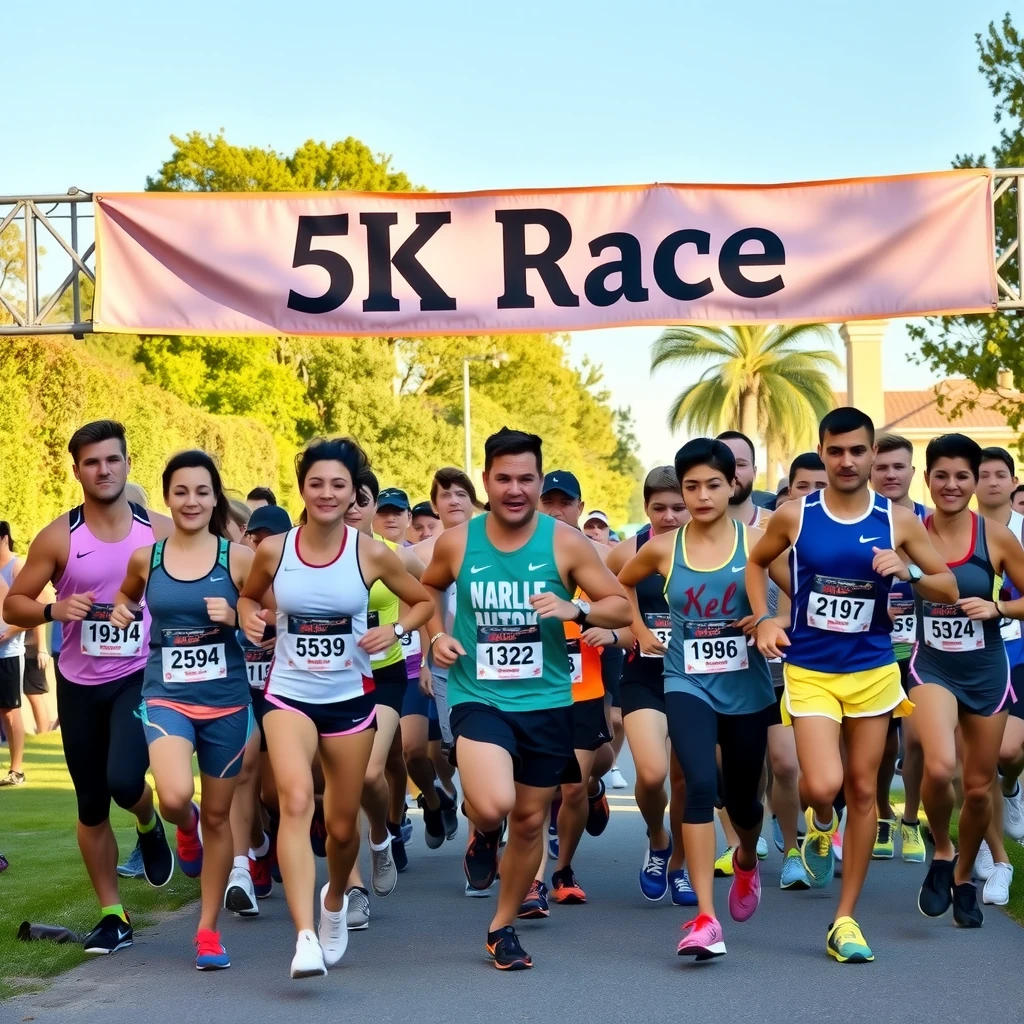
I remember my first 5K. I was out of shape and nervous, but crossing that finish line felt amazing. It sparked a love for running that I now share with my family. 5K races often include family fun runs, where everyone from kids to grandparents can join. These events promote family fitness and create lasting memories.
If you're looking to improve your health, 5K races offer a fun path. They encourage regular exercise, which boosts family wellness. Plus, training together strengthens bonds and teaches kids about healthy habits.
Getting Started: Assess Your Fitness Level
Before diving into the best training plans for 5K races, check your current fitness. If you're new to running, walk briskly for 30 minutes a few times a week. Build up slowly to avoid injury.
Talk to your doctor if you have health concerns. Once cleared, set a goal. Do you want to finish your first 5K, or beat a personal record? Your goal shapes your plan.
For families, start with short walks. Turn them into family fun runs by adding games like tag. This builds family fitness without pressure.
Beginner Training Plan for 5K Races
If you're starting from scratch, an 8-week plan works well. Aim for three sessions per week, mixing walking and running.
Week 1-2: Warm up with 5 minutes of walking. Then alternate 1 minute of jogging with 2 minutes of walking for 20 minutes. Cool down with stretches.
Week 3-4: Increase to 2 minutes jogging and 1 minute walking for 25 minutes.
Week 5-6: Jog for 3 minutes, walk for 1 minute, total 30 minutes.
Week 7-8: Build to jogging the full 30 minutes. Add a longer run on weekends.
I tried this plan myself and finished my first 5K in under 40 minutes. It felt achievable. For family wellness, involve kids in shorter versions. They can bike alongside while you run.
| Week | Session Structure | Total Time |
|---|---|---|
| 1-2 | 1 min jog / 2 min walk | 20 min |
| 3-4 | 2 min jog / 1 min walk | 25 min |
| 5-6 | 3 min jog / 1 min walk | 30 min |
| 7-8 | Continuous jog | 30 min |
Intermediate Training Plan
If you can run 2-3 miles comfortably, step up to this 6-week plan. Focus on building speed and endurance.
Week 1-2: Run 3 miles three times a week. Include one interval session: 400m fast run, 400m easy jog, repeat 4 times.
Week 3-4: Add hills. Run 3.5 miles, with one day of hill repeats: sprint up a hill for 30 seconds, walk down, repeat 6 times.
Week 5-6: Simulate race day. Run 4 miles at race pace once a week.
From my experience, intervals boosted my speed. I shaved minutes off my time. For family fitness, turn intervals into relay races during family fun runs.

Advanced Training Plan for 5K Races
For runners aiming to compete, this 4-week plan sharpens skills.
Week 1: Tempo runs: 1 mile warm-up, 2 miles at fast pace, 1 mile cool-down.
Week 2: Fartlek: Mix speeds during a 4-mile run.
Week 3: Track work: 800m repeats at race pace, with recovery jogs.
Week 4: Taper with easy runs to rest.
I've used this to hit sub-20 minute 5Ks. It demands discipline but pays off. Encourage family members to cheer you on, tying into family wellness.
Nutrition and Hydration Tips
Fuel your body right. Eat balanced meals with carbs, proteins, and veggies. Before runs, grab a banana or oatmeal.
Stay hydrated. Drink water throughout the day. For longer sessions, consider sports drinks.
In my runs, proper eating prevented cramps. For families, prepare healthy snacks for post-run picnics during family fun runs.
Recovery and Injury Prevention
Rest days matter. Stretch after every run. Use foam rollers for tight muscles.
Listen to your body. If something hurts, stop and seek advice. Good shoes help too—check out sites like Runner's World for recommendations (https://www.runnersworld.com/gear/a20865487/best-running-shoes/).
I learned this the hard way after a minor injury. Now, recovery is key to my routine.

Common Mistakes to Avoid
Don't start too fast. Pace yourself in training and races.
Skip overtraining. More isn't always better—rest builds strength.
Ignore cross-training. Add swimming or yoga for balance.
Many beginners overdo it, like I did at first. Learn from that and train smart.
Making It a Family Affair
5K races shine for family involvement. Sign up for events with family fun runs. Train together on weekends.
This boosts family fitness and wellness. Kids learn goal-setting, and everyone gets healthier.
Our family runs have become traditions. We celebrate finishes with ice cream, making fitness fun.
Final Thoughts
The best training plans for 5K races adapt to your level and goals. Start slow, stay consistent, and involve your family for added joy. You'll not only finish stronger but also enhance family wellness through shared activities.

Discuss Here